
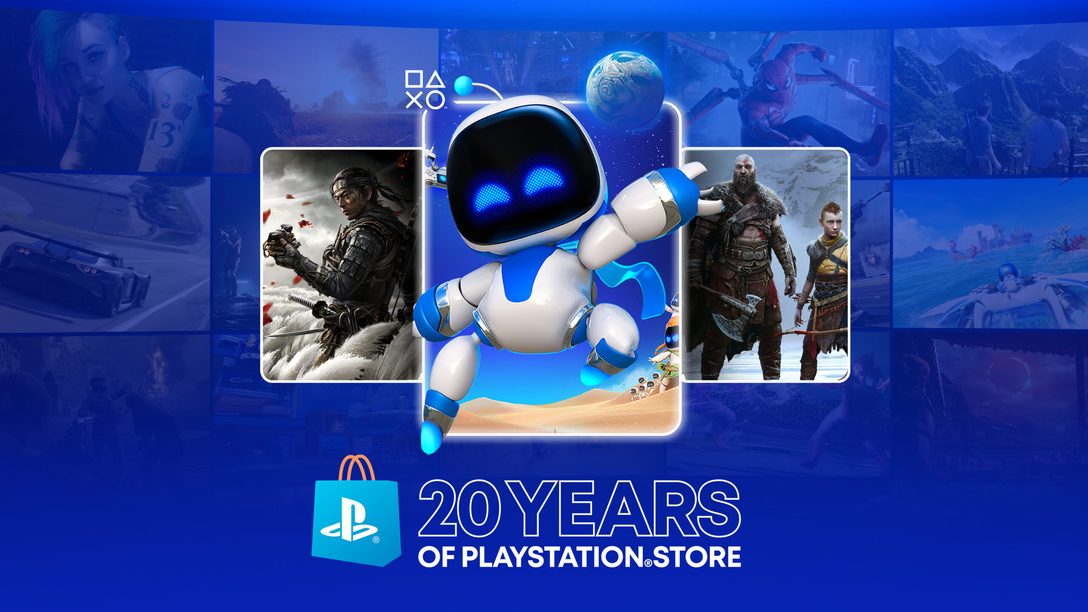
Twenty years of extraordinary discoveries. A storefront that changed gaming. And a question Sony can no longer afford to leave unanswered: what happens to the games we bought along the way?
Think back to the PlayStation 3. Not the gloss of the hardware or the arguments about its launch price, but something much quieter: a blue storefront tucked into the console’s XrossMediaBar. Alongside the big releases sat demos, trailers and modest downloads that didn’t need to fight for space in a shop window. You could browse, take a chance and end up playing something you had never heard of an hour earlier.
It’s easy to forget how different that felt. A trip to the games shop once involved a limited selection, a decision you had probably made before leaving home and, if you were lucky, a bargain that caught your eye on the way to the counter. Digital distribution didn’t invent the impulse purchase. What it did was make the shelf almost limitless.
Twenty years on, Sony is celebrating PlayStation Store with a retrospective of games that surprised developers. It’s a welcome reminder of the wonderful, unpredictable places this medium can go. But the anniversary arrives at a peculiar moment. Sony has also confirmed plans to close PS3 and PS Vita storefronts worldwide in 2027 and to stop producing discs for new PlayStation games from January 2028.
That isn’t a reason to dismiss twenty years of progress. It is a reason to look at the whole story: the games we discovered, the creative risks that found an audience, and the responsibility that comes with becoming the place where so much of gaming’s history lives.
A small blue storefront and a very big idea


PlayStation Store began with the PS3’s arrival in Japan and North America in November 2006. Here in the UK, the hardware followed in March 2007. It’s a small distinction, but an important one when we talk about where this story began.
The early store wasn’t elegant by modern standards. It lived in a browser-style interface, and the selection now looks almost charmingly restrained. Blast Factor and Cash Guns Chaos were among the first downloadable games, while demos and trailers for the likes of Resistance: Fall of Man and MotorStorm gave players a reason to keep checking back. Even the act of downloading an old PlayStation classic to play on a PSP felt quietly futuristic.
There was something appealing about that lack of polish. The store hadn’t yet developed into a machine for selling us the next season pass or pointing us towards another enormous release. It was an experiment, sitting on a console that arrived when boxed games still ruled the industry.
Of course, PlayStation wasn’t alone. Steam and Xbox Live Arcade were helping move the same conversation forward. Sony didn’t invent buying games online. But bringing that growing digital library into the PlayStation living room helped turn the idea from a novelty into an expectation.
The important change wasn’t that a game could be downloaded. It was that a game no longer had to justify a box.
When the unusual became unmissable
Look at the path from flOw in 2007 to Flower in 2009 and Journey in 2012. On paper, they don’t sound like obvious candidates to reshape anyone’s idea of gaming. One is a meditative journey through an aquatic world. Another asks you to become the wind. The last drops a small, robed traveller into a huge desert and allows a stranger to become part of your story.
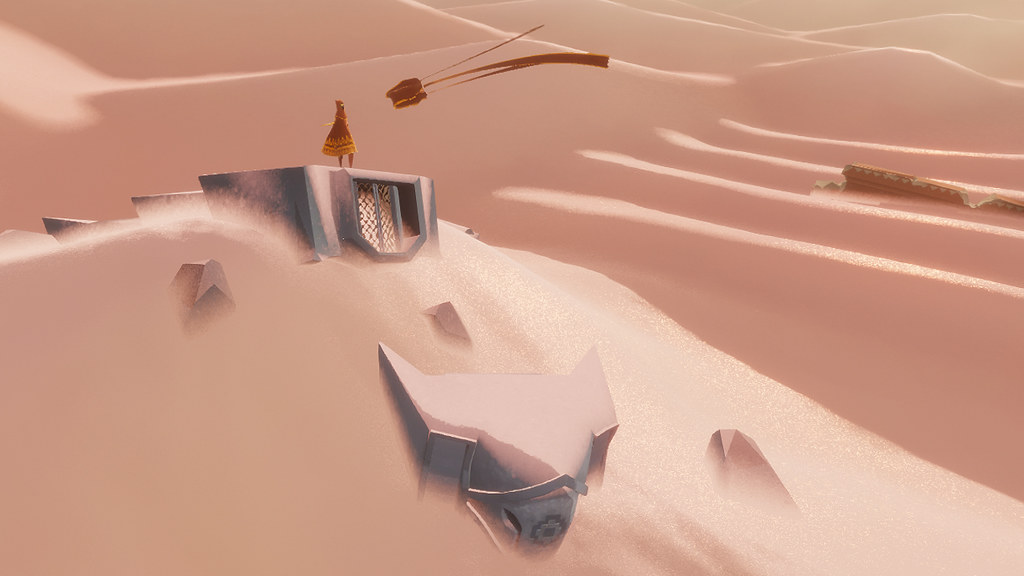
And yet Journey remains a wonderful example of what this generation of digital discoveries made possible. It didn’t need to tell you much. A distant mountain, a stretch of sand and another player communicating through little more than movement and sound were enough. The feeling was the point.
Limbo used shadow and silence to unsettle us. The Unfinished Swan turned a blank world into an invitation to explore. Later, Sayonara Wild Hearts turned a rush of colour, music and heartbreak into something closer to an interactive pop album than a conventional action game. These experiences didn’t all begin as PlayStation exclusives, but they belong in the story of what digital storefronts allowed more people to find.

Not every experiment became a classic. Some were awkward, brief or genuinely baffling. That’s fine. A healthy games industry needs room for ideas that might fail, because without them it also loses the ones that surprise us.
Even the people making games can be surprised
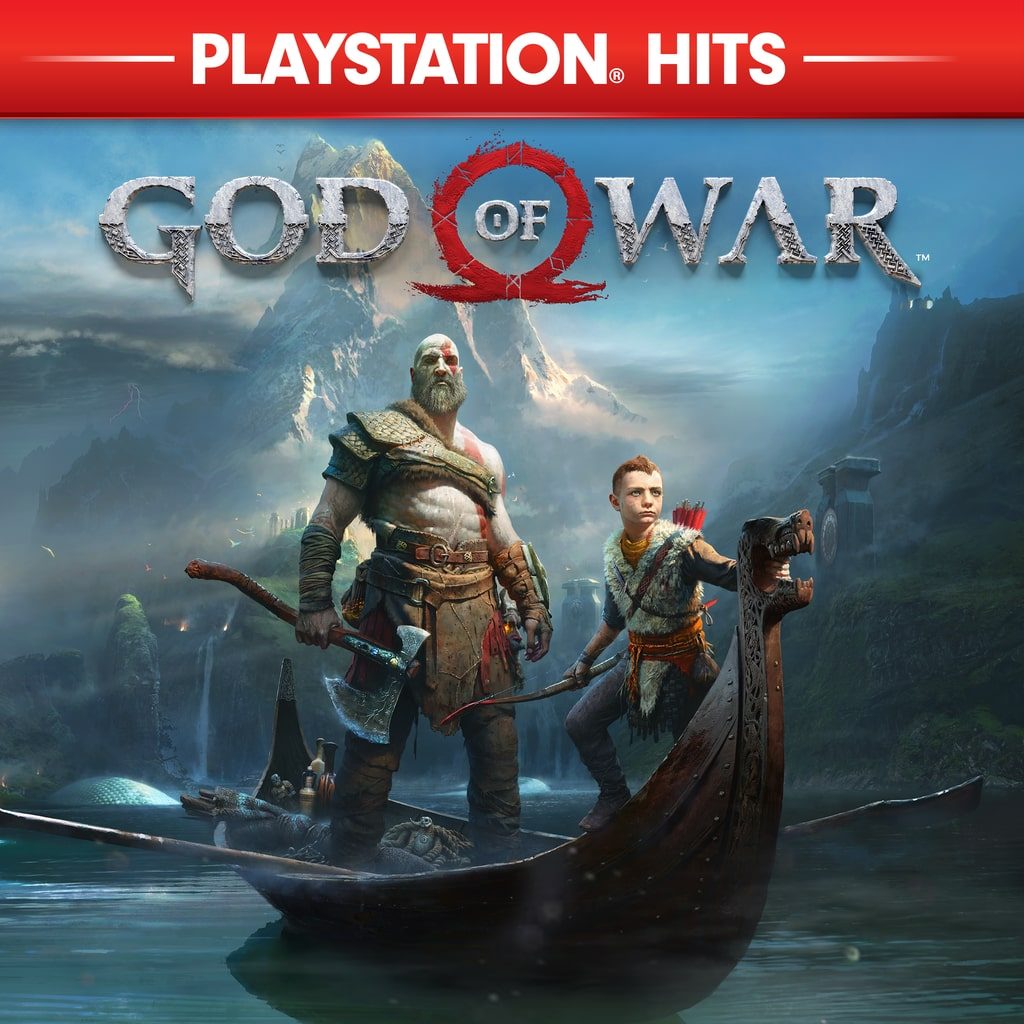
Sony’s twentieth-anniversary feature asks developers a clever question: not which game is the greatest, but which one caught them off guard. The answers are much more interesting than another ranking of all-time favourites.
Naoki Hamaguchi, director of the Final Fantasy VII Remake series, chose Balatro. Its foundations are familiar poker hands, but the increasingly wild interactions between cards and jokers turn something simple into a wonderfully compulsive puzzle. It’s the sort of game that makes a convincing argument for clever design over sheer scale.
Naughty Dog’s Arne Meyer selected Inscryption. His opening reaction says it beautifully: “I was not ready for Inscryption.” Anyone who has followed that game’s unsettling little rabbit hole will recognise the feeling. It starts by seeming to be one thing, then keeps changing what you understand about it.
Elsewhere, Insomniac’s Marcus Smith praised the almost invisible guidance of Inside. Santa Monica Studio’s Bruno Velazquez found himself captivated by Sayonara Wild Hearts, despite not usually gravitating towards rhythm games. Even Dragon Quest XI, picked by Santa Monica Studio’s Jonathan Burke, earns its place for a different reason: the ability of a familiar-looking adventure to wrong-foot its player through story and charm.

That’s what I like most about these choices. They’re not an argument for one genre, budget or studio. They’re an admission from people who understand games better than most that there’s still room to be surprised. And if the people designing our games can have their expectations overturned, the rest of us should probably stay curious too.
Big budgets, big feelings, the same digital shelf
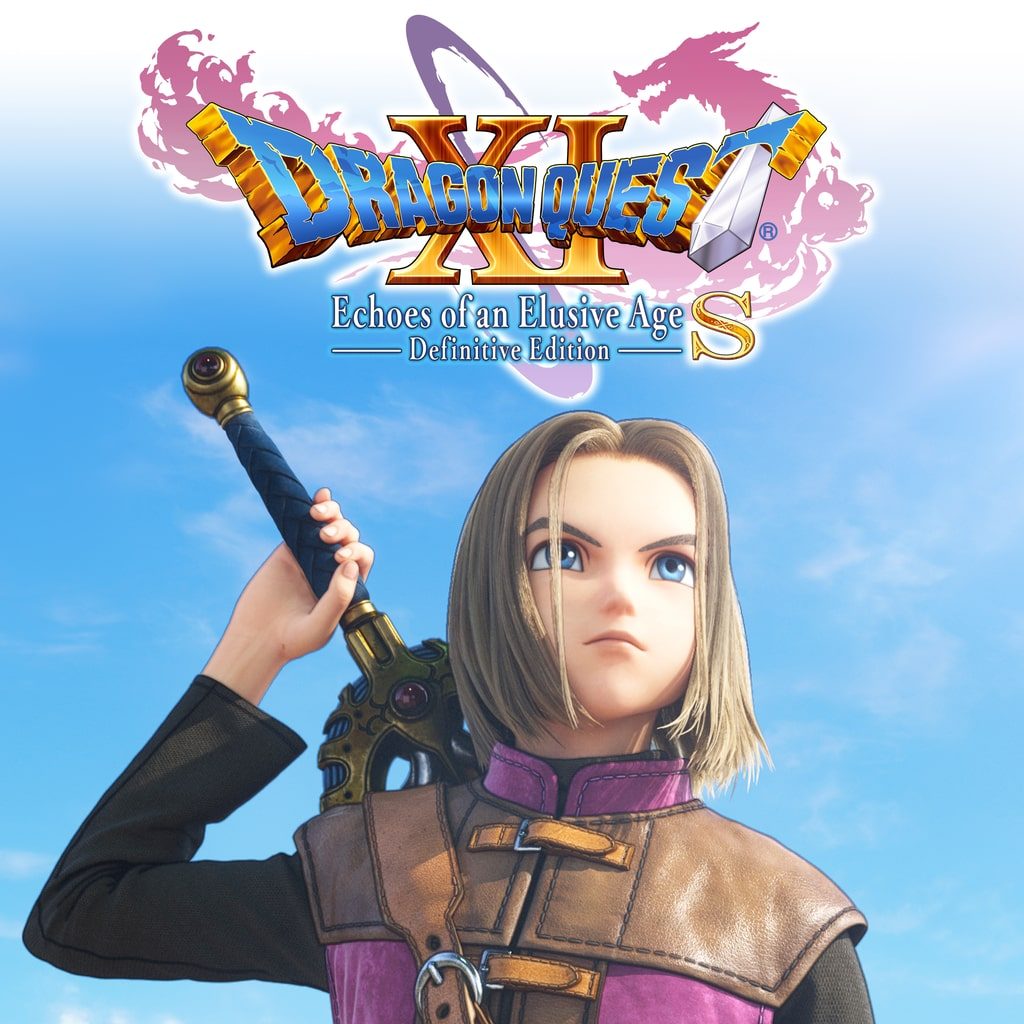
It would be wrong to tell this story as though the arrival of digital games somehow made the traditional blockbuster less important. Quite the opposite. PlayStation’s biggest productions helped define the same twenty years.
Uncharted 2: Among Thieves brought Hollywood confidence to the PS3 in 2009: enormous set pieces, effortless banter and that breathless sense of the next extraordinary thing being just around the corner. God of War in 2018 proved that an established series could grow older with its audience, giving Kratos emotional depth without sanding away what made the action compelling. The Last of Us and Ghost of Tsushima showed, in different ways, the reach and ambition of PlayStation’s cinematic storytelling.
Sony’s anniversary choices recognise that, too. San Diego Studio’s Ramone Russell singled out God of War for its story, while Housemarque’s Gregory Louden recalled how Uncharted 2 managed to live up to extraordinary pre-release expectations. Those reactions aren’t about a download button. They’re about the games themselves.
The real achievement of a mature storefront is having space for both. A lavish adventure that takes years and hundreds of people to build can sit a click away from a strange, beautiful idea made by a tiny team. The frustrating part is that being available and being seen are two very different things.
An endless shelf is no use if nobody can find you
For smaller studios, access to a digital storefront was once the impossible part. You needed a route to market, an audience and often somebody willing to take a financial risk on your behalf. Digital distribution made that journey easier. What it couldn’t promise was anyone’s attention.
Today, the storefront can feel less like a quiet corner of a games shop and more like a crowded high street. There are recommendations, promotional placements, familiar names and a constant stream of new releases. All of that makes sense commercially. It also means a remarkable game can be present in the catalogue and practically invisible.
That’s one of the reasons we built First Signal at Coloured Static Press. We want to find the projects that haven’t yet attracted a huge audience and give readers a reason to look closer. Not because independent automatically means better, or because a small team deserves a free pass, but because interesting games shouldn’t have to win a marketing contest before anyone talks about them.
There is a beautiful irony here. The store helped remove the physical limits on what could be sold. Now, discovery is once again about limited space: the few moments of attention a player is willing to give something unfamiliar. The next leap forward may have less to do with how many games a platform offers and more with how well it helps us find the right ones.
And then comes the uncomfortable part: what stays?
There’s a difficult question hiding underneath every celebration of digital gaming: if a game lives in a library tied to an account and a service, what happens when the service changes?
We’ve already seen a version of this debate. In 2021, Sony reversed its decision to close the PS3 and PS Vita stores after player criticism. The reaction wasn’t simply nostalgia. For some games, older hardware and older storefronts remain the most practical way to buy or experience them.
Now the issue is back, and this time the timetable is concrete. In a July 2026 announcement, Sony confirmed that the PS3 store would close in certain markets during 2026, followed by the PS3 and PS Vita storefronts globally in July 2027. New purchases will stop on those devices. Sony says previously purchased content will remain available to download for the foreseeable future. That is meaningful reassurance, and it matters that we say it clearly. It is not, however, a permanent commitment.
On the same day, Sony made another major announcement: new games released on PlayStation consoles will stop receiving physical-disc production from January 2028. Games released on disc before that date are unaffected by the change. Retailers can still sell new digital releases. But for future PlayStation games, the physical option is disappearing.
There are reasonable arguments for that direction. Downloads are convenient. They avoid shelves full of boxes, make smaller releases easier to distribute and put games within reach without leaving the sofa. I use digital libraries because their advantages are real, not because I think every piece of progress must be celebrated without question.
But convenience and preservation aren’t the same thing. A delisted game doesn’t automatically vanish from a player’s console, and a subscription title leaving a catalogue is not the same as losing a game you purchased. Those distinctions matter. So do the harder questions about future download access, compatibility, missing licences, unavailable add-ons and games that have no straightforward modern release.
When a platform becomes the principal route to buying games, preserving access should be treated as part of the product, not an optional kindness. Those obscure downloads from 2007 deserve a future, too. A medium that can remember every blockbuster but loses its smaller experiments is telling an incomplete version of its own history.
What should the next twenty years look like?
It’s tempting to measure the progress of a storefront in convenience: fewer clicks, quicker downloads, better recommendations. Those things matter. But I’d like the next twenty years to be measured in slightly more ambitious terms.
Let players find games outside their usual habits. Give smaller developers meaningful ways to be discovered without turning every release into a contest of advertising budgets. Be clearer about what a purchase includes, and about what happens when a platform or service reaches the end of its commercial life. Where preservation becomes difficult, work with the people who know how to keep old games playable.
None of that requires pretending the store isn’t a business. It requires recognising that the place where culture is bought and played is also, whether it intends to be or not, part of how that culture is remembered.
Gaming will always need another spectacular God of War. It also needs the next Journey, the next little oddity that becomes an obsession, and the forgotten game somebody discovers fifteen years late and falls in love with anyway.
Twenty years later, the question has changed
PlayStation Store deserves its anniversary. Over twenty years, it has been a gateway to extraordinary games, a home for experiments and a part of the everyday ritual of being a player. Some of the medium’s most memorable experiences reached us because digital distribution made taking a chance that much easier.
That’s precisely why the next chapter matters. The store’s success has made it more than somewhere to spend money. It’s a living record of the games that defined us, surprised us and occasionally baffled us. Some of those titles sold millions. Others probably changed the world for a handful of people. Both count.
I hope we keep finding games that make us feel the way Journey, Inside or Balatro made their audiences feel: startled, intrigued and glad we clicked on something unfamiliar.
Twenty years ago, the question was whether we’d trust a digital storefront with our games. Today, it’s whether that storefront will prove worthy of the trust we’ve placed in it.
What was your greatest PlayStation Store discovery? And is there a digital game you’re worried we might one day lose? We’d love to hear both stories.