
By Andy / Coloured Static Press
I grew up in BioWare’s worlds. Its closure feels like losing part of the reason I fell in love with video games, and raises difficult questions about the industry that remains.
There are some gaming stories that are genuinely difficult to write. This is one of them.
I grew up playing BioWare games. They were worlds I disappeared into, characters I cared about and stories that stayed with me long after the credits rolled. So hearing that the studio is closing feels like more than another sad industry headline. It feels personal.
On 21 October 2026, BioWare confirmed that it is closing after more than three decades. EA has also ended early development of the next Mass Effect game. The company is restructuring its projects, with around 400 job losses reported across EA. Behind every one of those numbers is a real person whose work mattered.
BioWare didn’t just make great games. It helped define why I fell in love with gaming in the first place.
The games that made me fall in love with storytelling
From Baldur’s Gate and Neverwinter Nights to Star Wars: Knights of the Old Republic, BioWare made it feel as though my decisions mattered. Its role-playing games didn’t just ask me to defeat the villain. They invited me to choose who I wanted to be.
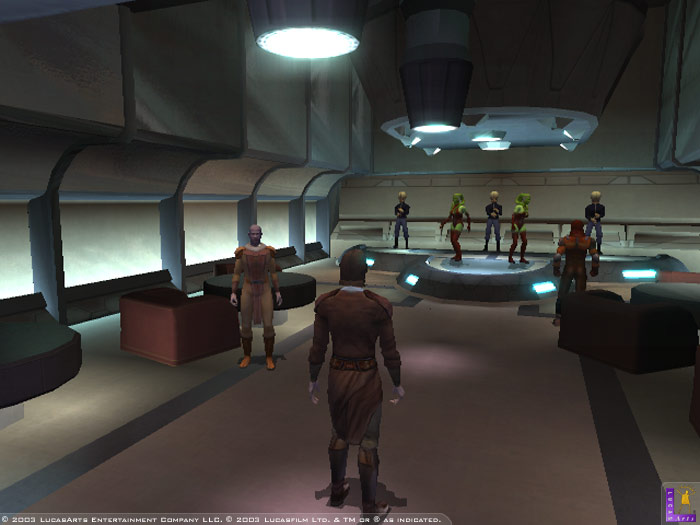
Knights of the Old Republic understood the magic of a story that belongs to the player. The dialogue, the companions, the moral choices and the revelations gave the Star Wars universe an entirely different kind of intimacy. I can still remember the feeling of being drawn into that galaxy.
The Normandy, the companions, the choices
Then there was Mass Effect. The Normandy became a familiar place. Garrus, Tali, Liara and the rest of the crew became more than names on a squad-selection screen. Relationships, decisions and consequences carried from one game into the next. That was extraordinary, and still is.
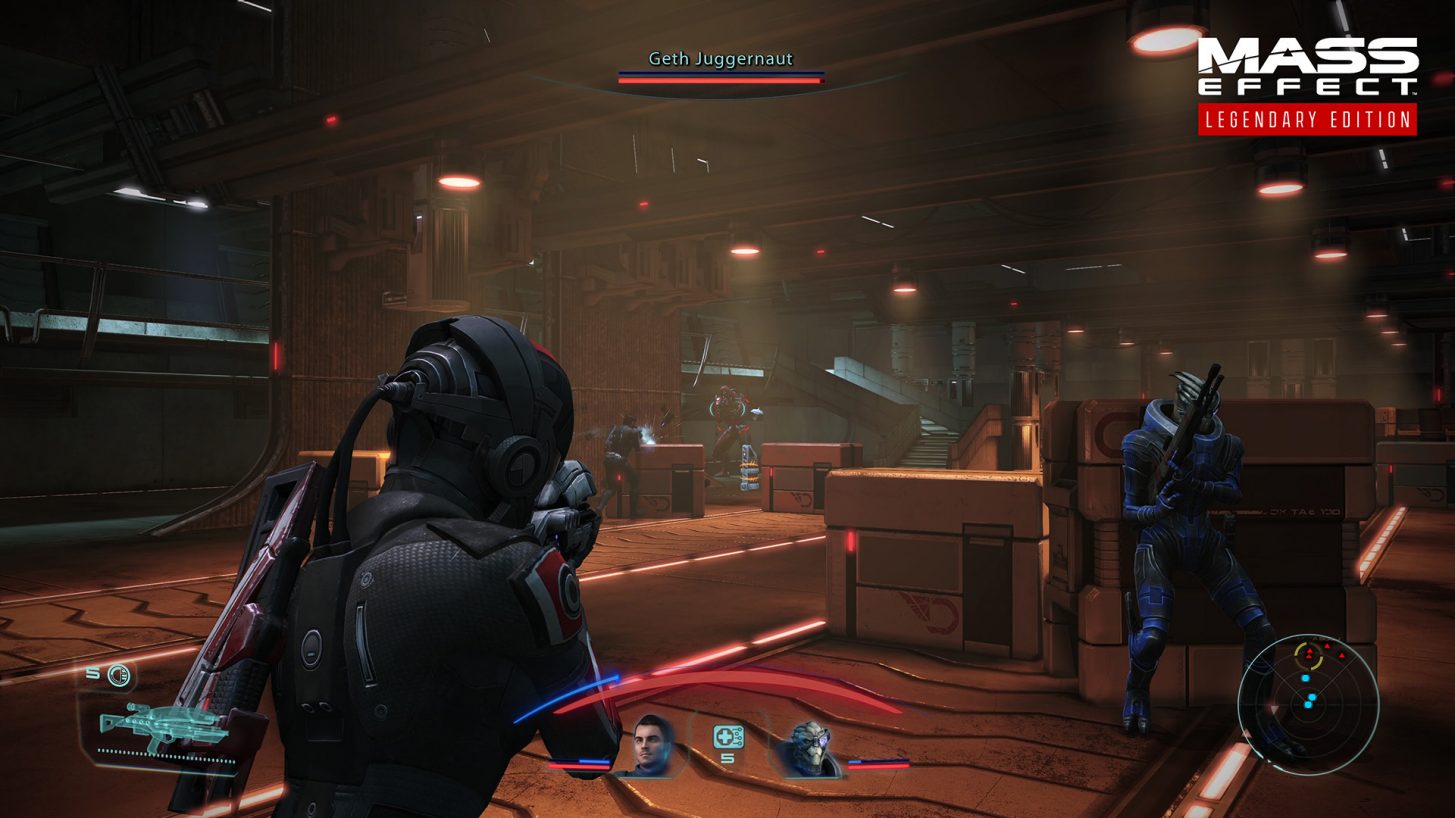
Mass Effect had its imperfections, but its ambition was unmistakable. It trusted players to become invested in a universe because of the people in it. Losing the chance to see the next chapter of that story is especially heartbreaking.
Dragon Age and the worlds we carried with us
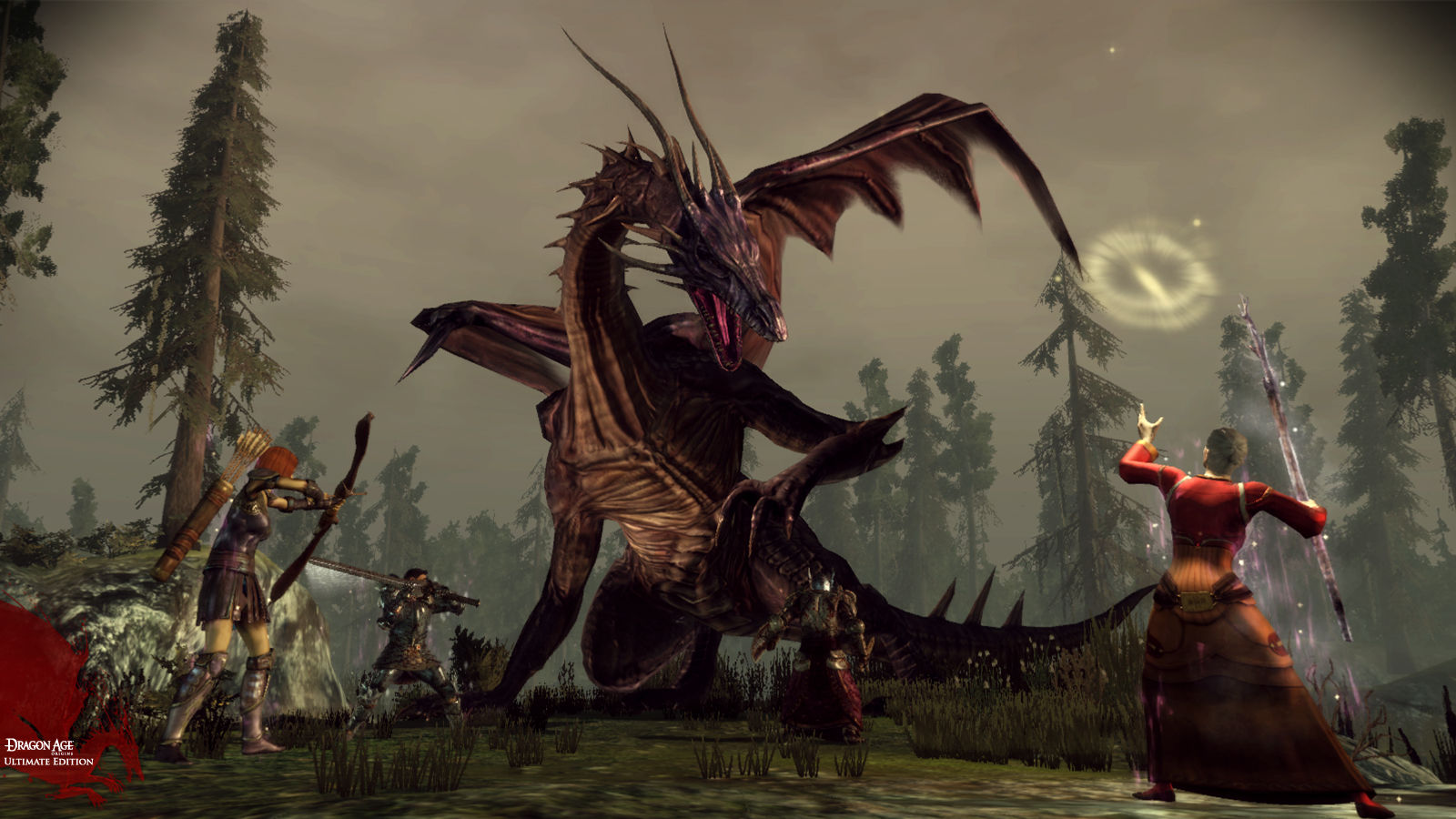
Dragon Age brought those same ideas into dark fantasy. Ferelden, the Grey Wardens and the people we travelled with gave the genre a sense of history and personal consequence. You could argue about choices with friends years after making them.
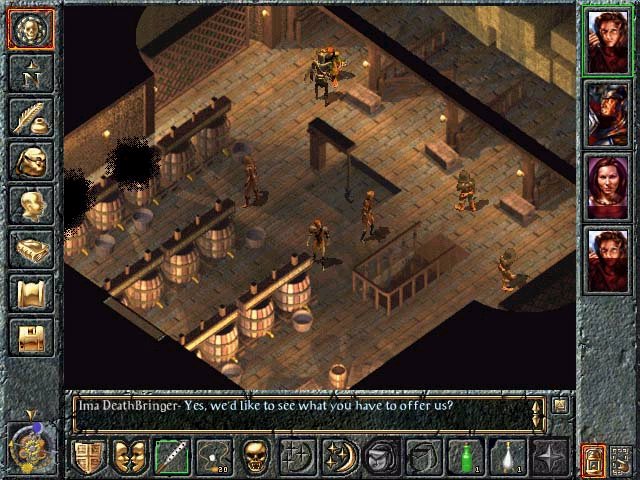
And it all built on foundations laid years earlier. The original Baldur’s Gate helped establish the narrative depth and party-based adventure that so many modern RPGs still draw upon.
Why I worried about EA’s takeover
When EA’s $55 billion acquisition by an investor group was announced, I worried about what a more financially pressured publisher might do with its creative studios. That worry has stayed with me. Now BioWare is closing, and it is difficult not to think back to those concerns.
I want to be fair here: the timing does not prove that the takeover caused BioWare’s closure. EA acquired BioWare back in 2007, and the studio had been facing challenges long before the 2026 buyout. Mass Effect: Andromeda, Anthem and Dragon Age: The Veilguard each became part of a difficult recent history. The decisions that led here deserve scrutiny, not simplistic blame.
Even so, EA’s own explanation places the closure within a wider decision to concentrate investment in fewer projects. I understand that publishers must make difficult commercial decisions. But it is hard to watch a studio that helped define modern RPGs disappear and not wonder whether the industry has become too quick to give up on its creative institutions.
The developers matter more than the logo
Above all, I am thinking about the writers, artists, designers, programmers, producers and support teams who made these games. The closure has human consequences far beyond a cancelled sequel or a beloved studio name. Nobody deserves to have their years of work reduced to a quarterly performance discussion.
I also know that studios cannot survive on nostalgia alone. Not every project can be funded forever. Yet the legacy of BioWare is a reminder that taking creative risks can change an entire medium, and that progress sometimes comes from trusting people to build something difficult and unexpected.
A legacy that cannot simply be acquired
EA still owns the properties, and a franchise name could return in some form one day. But ownership is not the same as the creative chemistry that gave a game its identity. You can keep a logo or a title. Recreating a team’s particular storytelling instincts is another matter entirely.
For me, BioWare will always mean the first time I felt genuinely responsible for a companion, the first time a dialogue choice haunted me, and the times I stayed up far too late because I simply had to know what happened next.
Thank you, BioWare
There will be time for difficult questions about management, ownership, commercial expectations and the future of role-playing games. Those questions matter. But today, I want to remember what BioWare got right. The worlds. The characters. The friendships. The stories that made gaming feel capable of almost anything.
To everyone who helped create them: thank you. You gave players like me experiences we will carry for the rest of our lives.
You deserved a better ending.
Sources: BioWare’s official statement; EA’s restructuring announcement; Reuters reporting. Screenshot credits: EA/BioWare and respective game rights holders; images sourced via publicly available game screenshot archives.