
For Nico and Fran, the two people behind Obscure Tales, making a survival-horror game is not simply a matter of putting monsters in dark corridors. It is about the things players cannot be sure of: whether to make a noise, whether to fire a precious bullet, and whether someone they encountered might have survived if they had acted differently.
After Lamentum, the studio has spent five years building INANIMA, a pixel-art survival-horror adventure whose public prologue is available during Steam Scream V. In an interview with Coloured Static Press, programmer and co-founder Nico and artist and co-founder Fran explain how they are designing a world where fear comes from consequence, not just surprise.
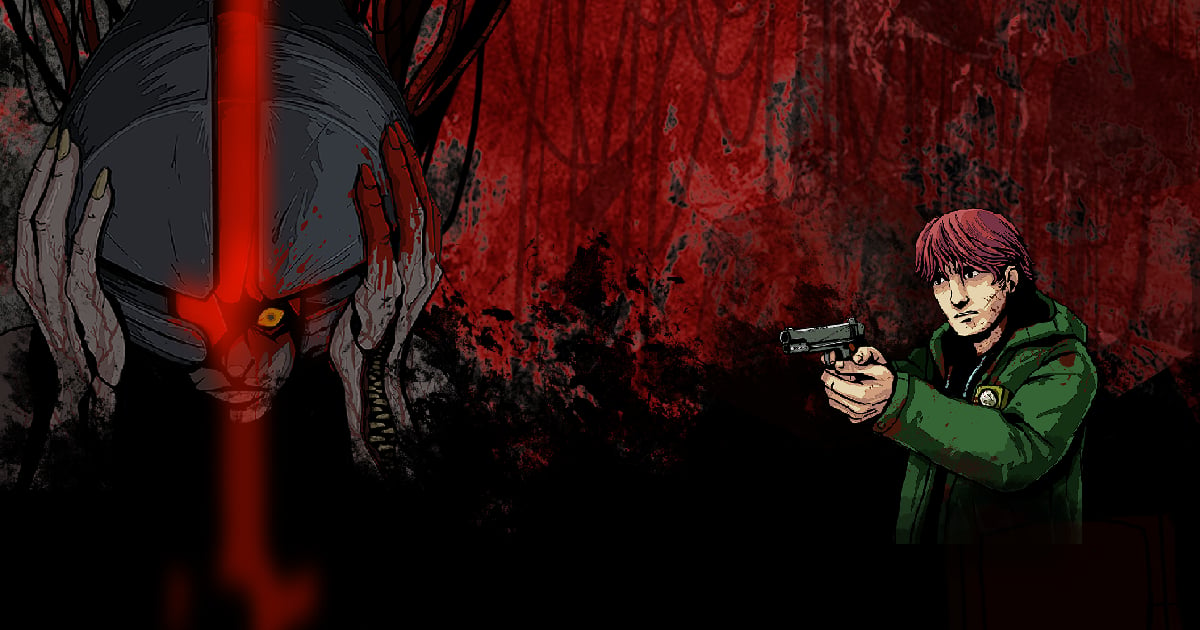
From Lamentum to a world that remembers
Nico says the team returned to the genre they grew up with, but wanted to move beyond the more contained experience of Lamentum. In INANIMA, enemies respond to the player, characters can live or die because of their actions, and the story can change depending on what happens along the way.
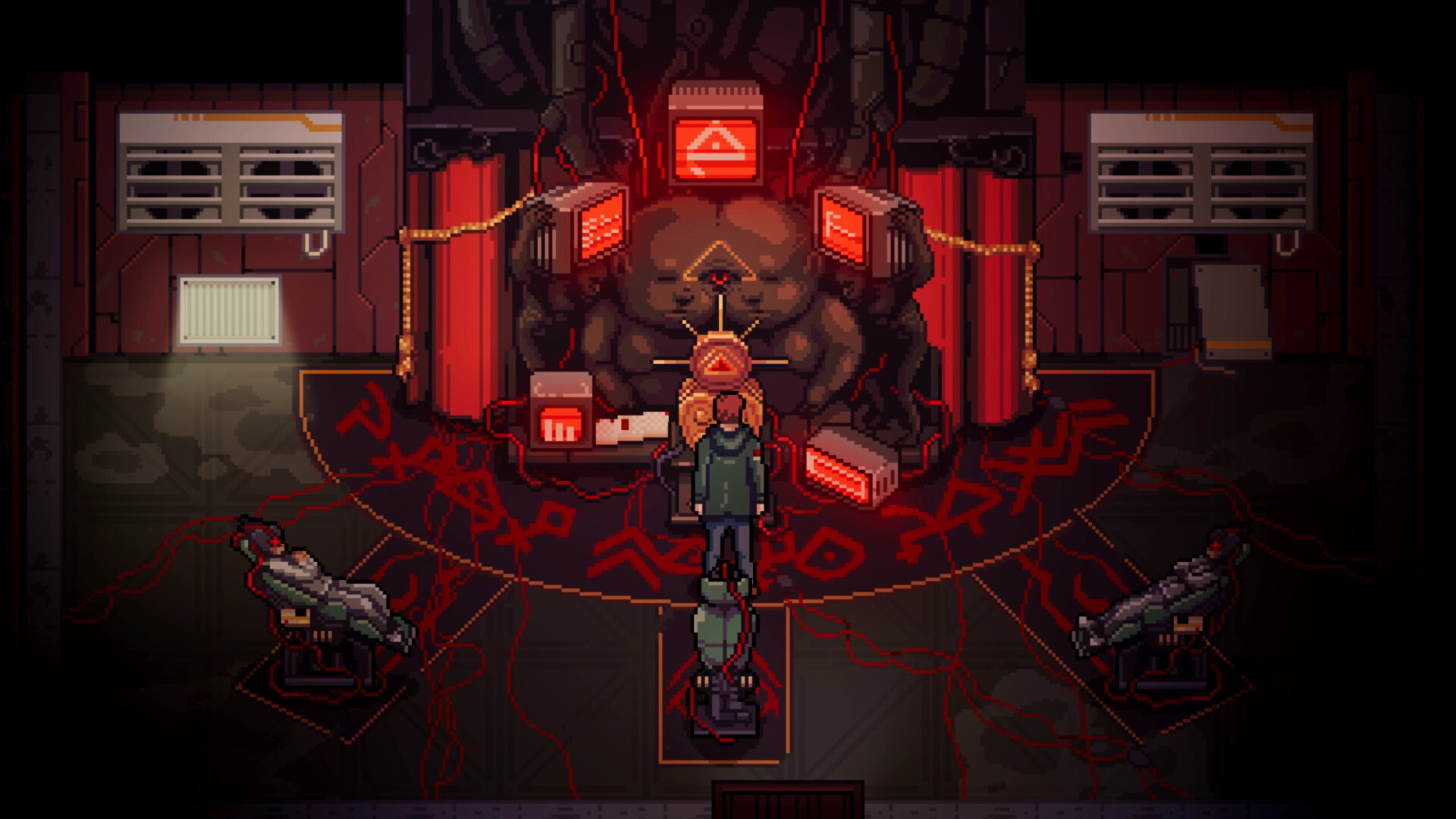
For Fran, the ambition was visual storytelling. Environments, characters and creatures needed to communicate their own histories through detail, decay and the unsettling suggestion that the player has arrived after something terrible. The development of SPIRA, a facility within the game, was the point at which she felt that world finding its identity.
A box of bullets should feel like relief
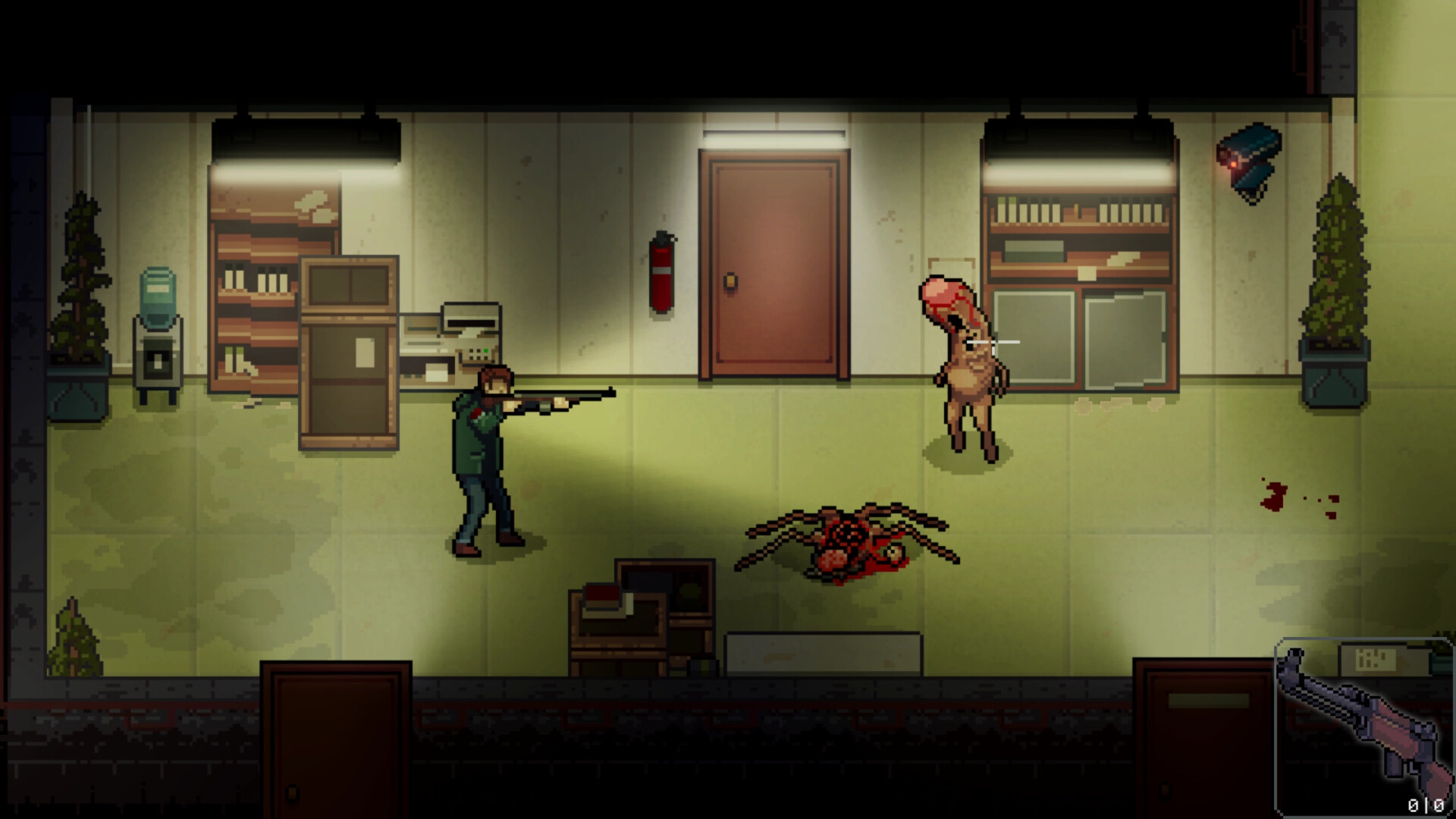
The familiar survival-horror ingredients of scarce ammunition and dangerous encounters took extensive iteration. Too little loot made the experience frustrating; too much destroyed the tension. Nico wanted finding ammunition to bring a moment of relief without making the next encounter feel safe.
Sound was equally demanding. Walking, running and firing a gun affect how enemies perceive the player, but the team had to refine those reactions until noise mattered without feeling arbitrary. Precise aiming means players can fight back, yet every missed shot uses a resource they may desperately need later. As Nico puts it: “You’re capable, but you can’t afford mistakes.”
Horror lives beyond the flashlight
Fran believes pixel art works particularly well for horror because it asks players to imagine what the limited detail cannot reveal. A flashlight may show only part of a room. Stains, abandoned objects and carefully arranged spaces suggest the rest.
Rather than relying on conventional jump scares, the studio wants players to feel that something is wrong long before they know what it is. Nico adds that lighting and shadows are treated as physical parts of the world, so darkness actually conceals threats instead of merely sitting over the scene as a visual effect.
The decision you didn’t know you made
One of the most intriguing design choices is the absence of obvious prompts to announce important decisions. Sometimes a consequence comes from ignoring an event or arriving too late, and the effect is only understood afterwards. Fran hopes players compare experiences and discover that their stories diverged without either person being told where the paths split.
That philosophy shapes the roughly hour-long demo prologue. The team wants players to leave with questions about the people they encountered, the choices they made and the things they might have done differently.
The scale of a two-person nightmare
Scope has been the toughest practical problem. A system that is exciting to design also has to be maintained, debugged and made to perform across the intended PC and console releases. The lessons of Lamentum pushed Nico towards flexible systems that can be tuned rather than rebuilt.
Fran faces a different kind of multiplication: hundreds of individual sprites and environmental details, with enemy animations needing to work in four directions. The cumulative work can be overwhelming, she says, but seeing a monster finally inhabit a fully realised space makes the effort worthwhile.
What comes after the prologue?
Obscure Tales currently plans to bring INANIMA to PC, Nintendo Switch, Xbox and PlayStation in 2027. The team is keeping the larger story close to its chest. What they do want players to carry away from the demo is uncertainty, especially that lingering feeling that their decisions might already have changed somebody else’s fate.
The INANIMA Steam page and public demo are available now. You can also watch the official trailer and learn more about Obscure Tales.
Interview answers provided by Nico (programmer and co-founder) and Fran (artist and co-founder), Obscure Tales. This is independent editorial coverage, not a paid placement. Images are sourced from official Obscure Tales artwork and the game’s Steam page, and are credited accordingly.