
A robot that faithfully completes one task and then goes home might sound like a success. For the team building SuperWEIRD: Automation Roguelite, it can also reveal the gap between a system that technically works and a system that understands what a player wants.
Coloured Static Press spoke with Roman Lukinov of Luden.io about the studio’s mix of programmable workers, factory logistics and roguelite expeditions. The roughly seven-person team wants players to discover the satisfaction of an automated base that keeps running, even when the world outside it is unpredictable.

Why automation belongs in a roguelite
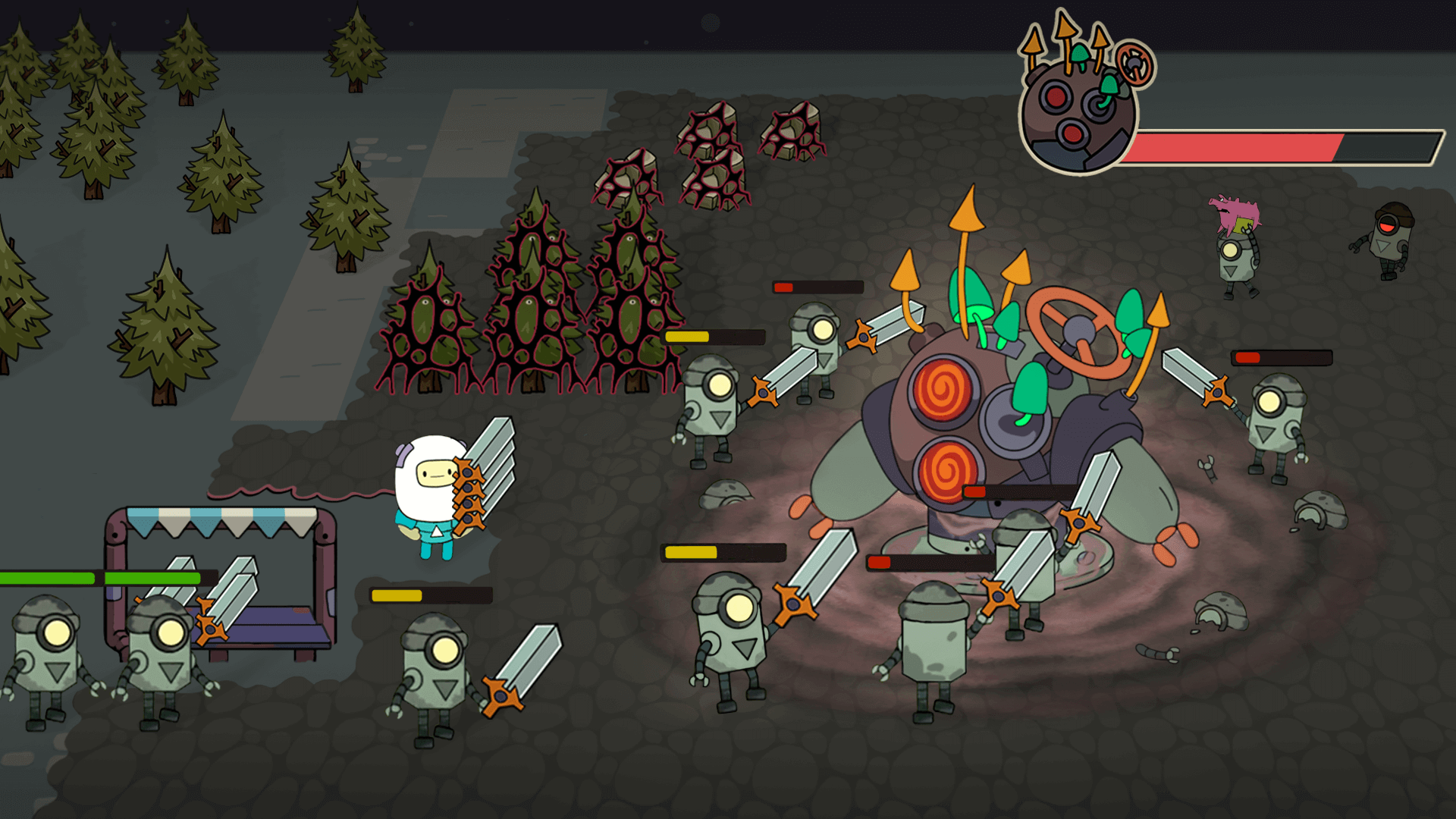
Programming and automation are familiar subjects for Luden.io, but SuperWEIRD gives them a practical purpose: factories supply the robots that do the fighting. If production stalls, combat can suffer; expanding into new territory introduces fresh problems for the supply network to solve.
Roman acknowledges inspirations such as Cult of the Lamb and Don’t Starve, particularly the rhythm of maintaining a home base and then heading out into danger. The studio’s own focus is the programmable workforce, the need to move resources between locations and the ability to assemble the world from planet fragments. Co-op lets players divide responsibilities between production, deliveries and combat.
Teaching robots to do the work
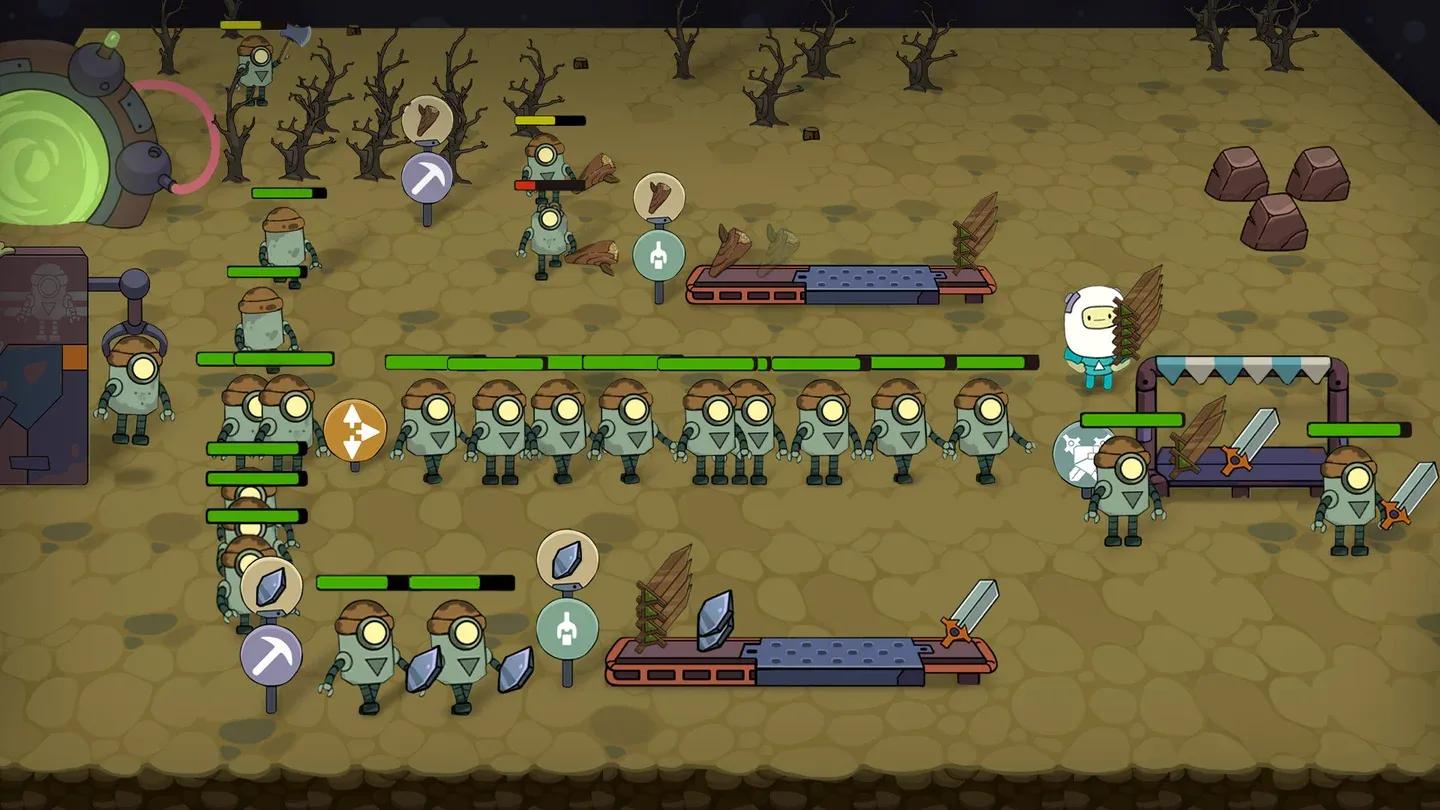
WorkBots are instructed using routes and task points marked by flags. Their jobs can involve gathering, crafting and transporting goods. Players do not need to write code, but they do need to think systematically about the tasks they assign.
One piece of player feedback illustrates the challenge. After delivering something, a bot returned home when its owner wanted it to repeat a second task in a loop. That player was already thinking in larger workflows, but the current behaviour did not match the system they had imagined.
The reward of seeing a system click
Roman describes a particular payoff when an errand that once required manual attention begins happening automatically. A supply bottleneck disappears, fighters receive what they need, and the player has more room to explore.
A roguelite structure adds a further layer: after a run ends, the knowledge of what worked, and what failed, carries into the next attempt. The team is still working on how to give players enough time to enjoy their creations while maintaining a reason to experiment again.
When the tutorial isn’t enough
For the developers, one of the most difficult jobs has been explaining mechanics that have become second nature to them. Players have reported confusion around robot spawning, programming and connecting things through portals, even while saying that they enjoy the game.
Roman is careful not to describe those reports as already solved. Rather than dismiss every complaint as the same tutorial problem, the team wants to identify precisely where someone loses the thread. When useful, it asks players for recordings that show what happened.
A different game from its browser origins
The smaller earlier version on CrazyGames is part of SuperWEIRD‘s history, but Roman stresses that the more ambitious Steam version is the project’s current focus. Programmable robots, planet fragments and multiplayer co-operation give the team much more to develop and refine.
The biggest discovery the team hopes players make is the moment when their own systems take on enough work that the whole base begins to function together. The developers are especially interested to see the different strategies co-op groups invent.
SuperWEIRD: Automation Roguelite is currently targeting a 2027 release. The Steam page and playtest information describe the developing PC version. Further information is available at superweird.io.
Interview responses provided by Roman Lukinov on behalf of Luden.io. Comments about player feedback describe active development and should not be read as confirmation that reported issues have been fixed. This is independent editorial coverage, not a paid placement.