
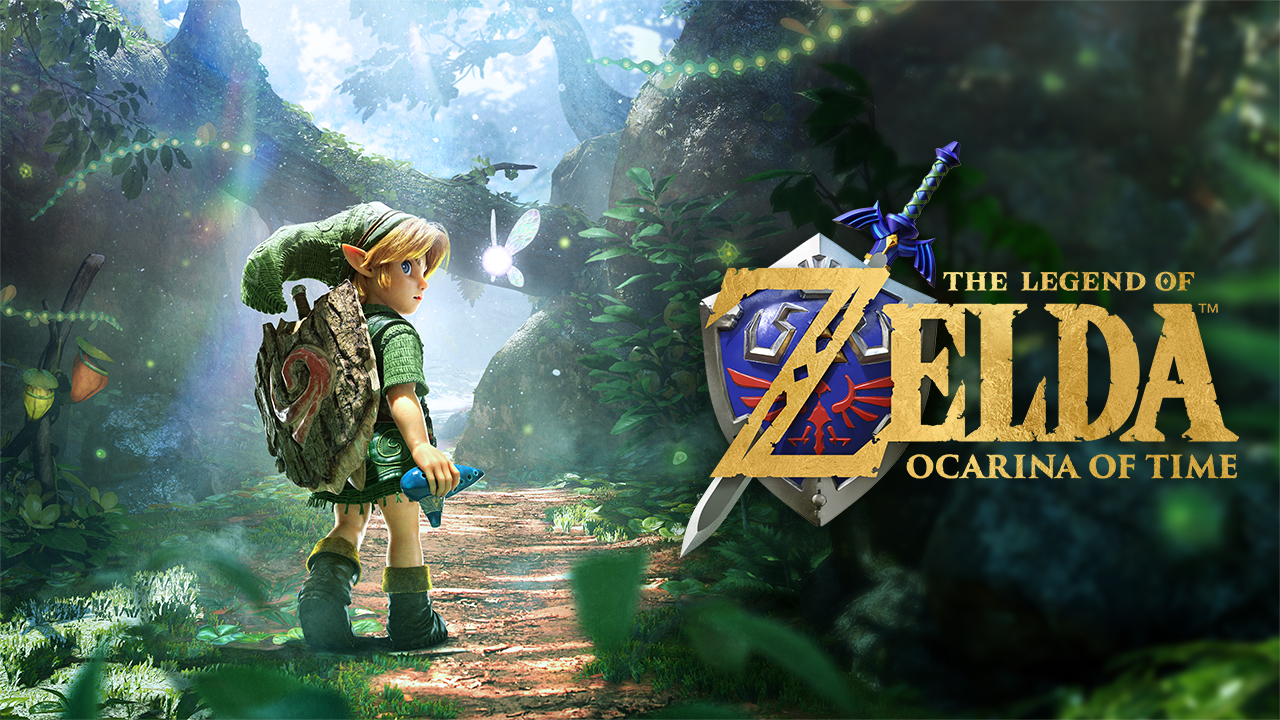
On 5 November, Hyrule opens its gates again. Almost 28 years after The Legend of Zelda: Ocarina of Time introduced a generation to the rhythms of 3D adventure, Nintendo is preparing a ground-up remake for Nintendo Switch 2. The question is bigger than whether the grass looks greener or the camera moves more freely. How do you remake a game whose original ideas helped define the language of modern action-adventure design?
Coloured Static Press special feature | 30 October 2026. This is an independently researched retrospective and preview of confirmed features, not a hands-on review. All game imagery is official Nintendo promotional material, credited © Nintendo. The Nintendo UK press team has been approached regarding additional authorised assets, access and interview opportunities.
The confirmed essentials
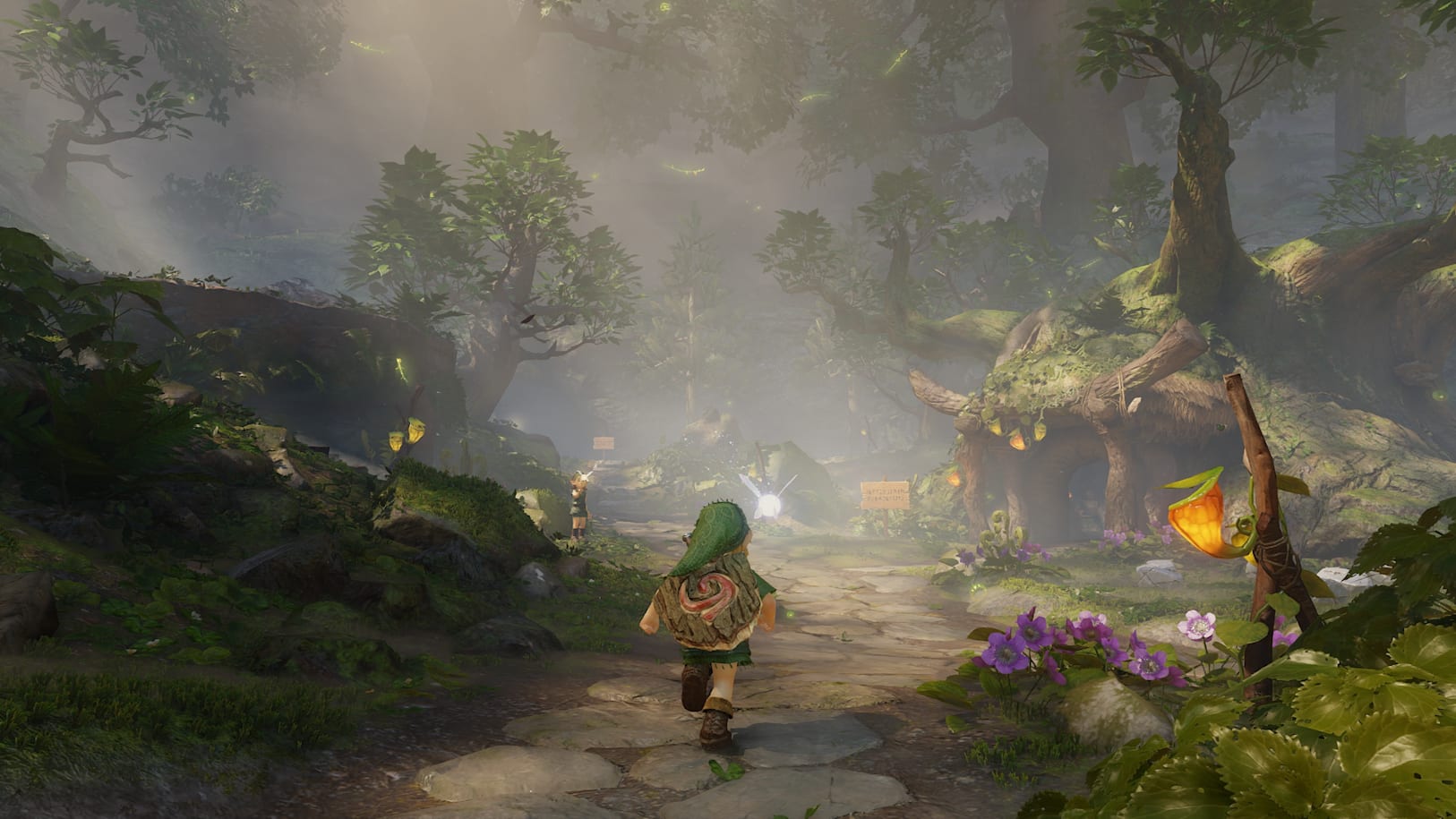
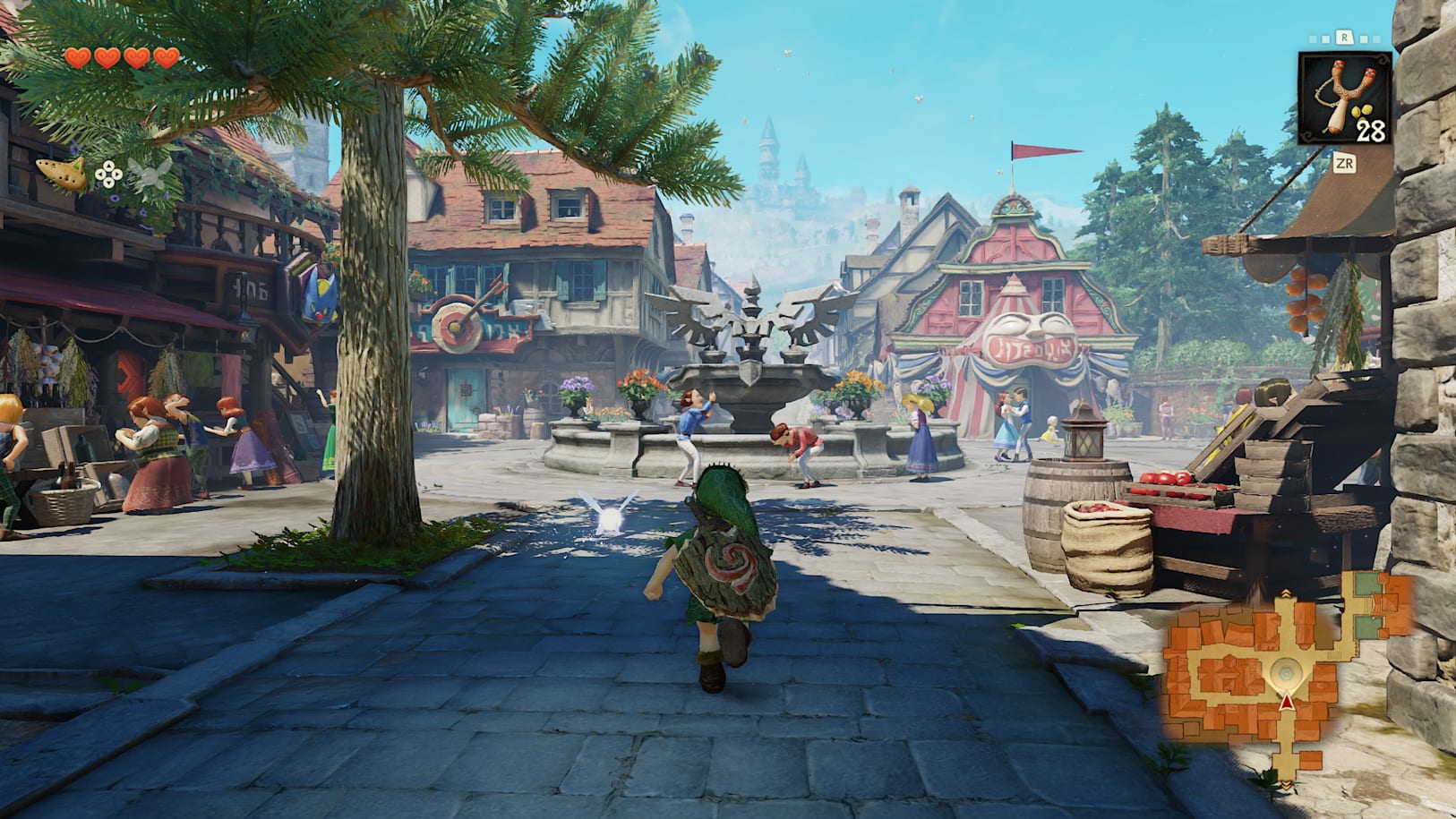
Release: 5 November 2026, exclusively on Nintendo Switch 2. Nintendo describes the new version as rebuilt from the ground up, with extensively reworked graphics, newly voiced scenes, expanded character dialogue, symphonic orchestral arrangements, faster loading, smoother performance and modernised movement. These are publisher-confirmed features, not our independent performance findings.
Controls: Nintendo has shown free jumping and dashing using additional button commands, plus right-stick camera movement. Music: players can use familiar button inputs for the ocarina, but the Switch 2 microphone can also recognise humming or notes played on an instrument. Story: new dialogue and voiced cutscenes aim to add detail to characters who were once largely silent.
New systems: Threads of Time provides progress and objective tracking through an evolving tapestry. The Hall of Fallen Foes offers information about defeated enemies and rematches. The associated ZELDA NOTES mobile features include a daily record, location challenges, a virtual ocarina and an extensive quiz. Nintendo has also detailed amiibo extras and further character figures scheduled for 2027.
What isn’t settled by a trailer: whether revised movement changes dungeon difficulty, whether remade scenes maintain the original pacing, whether the camera improves every encounter, and how the new soundtrack feels over hours of play. Those questions require hands-on assessment after access is available.
Watch Nintendo’s official reveal
The footage above is Nintendo UK’s official announcement video, embedded from Nintendo’s own channel. For the newest gameplay details, see Nintendo’s 14 October overview.
Why the 1998 game still matters
When Ocarina of Time arrived on Nintendo 64 in 1998, it needed to solve a problem that now seems almost invisible: how should a player actually explore, fight and read a three-dimensional Zelda world? How can a game communicate distance, threat, intention and direction when the camera itself becomes part of the experience?
Its answers became familiar gaming vocabulary. Context-sensitive interaction reduced the demand for countless specialised buttons. Lock-on combat, often remembered as Z-targeting, helped players understand where to look and how to face an opponent. Dungeons wove navigation, items, enemy encounters and environmental puzzles into carefully staged journeys. The passage between childhood and adulthood gave ordinary locations new meanings at different moments in the story.
That is why calling the game influential is about more than its reputation or review scores. Its achievement was to make a complex spatial adventure readable to players encountering it for the first time. By the time the credits rolled, an entire world had become a map in the player’s memory.
The original team had to invent the rules
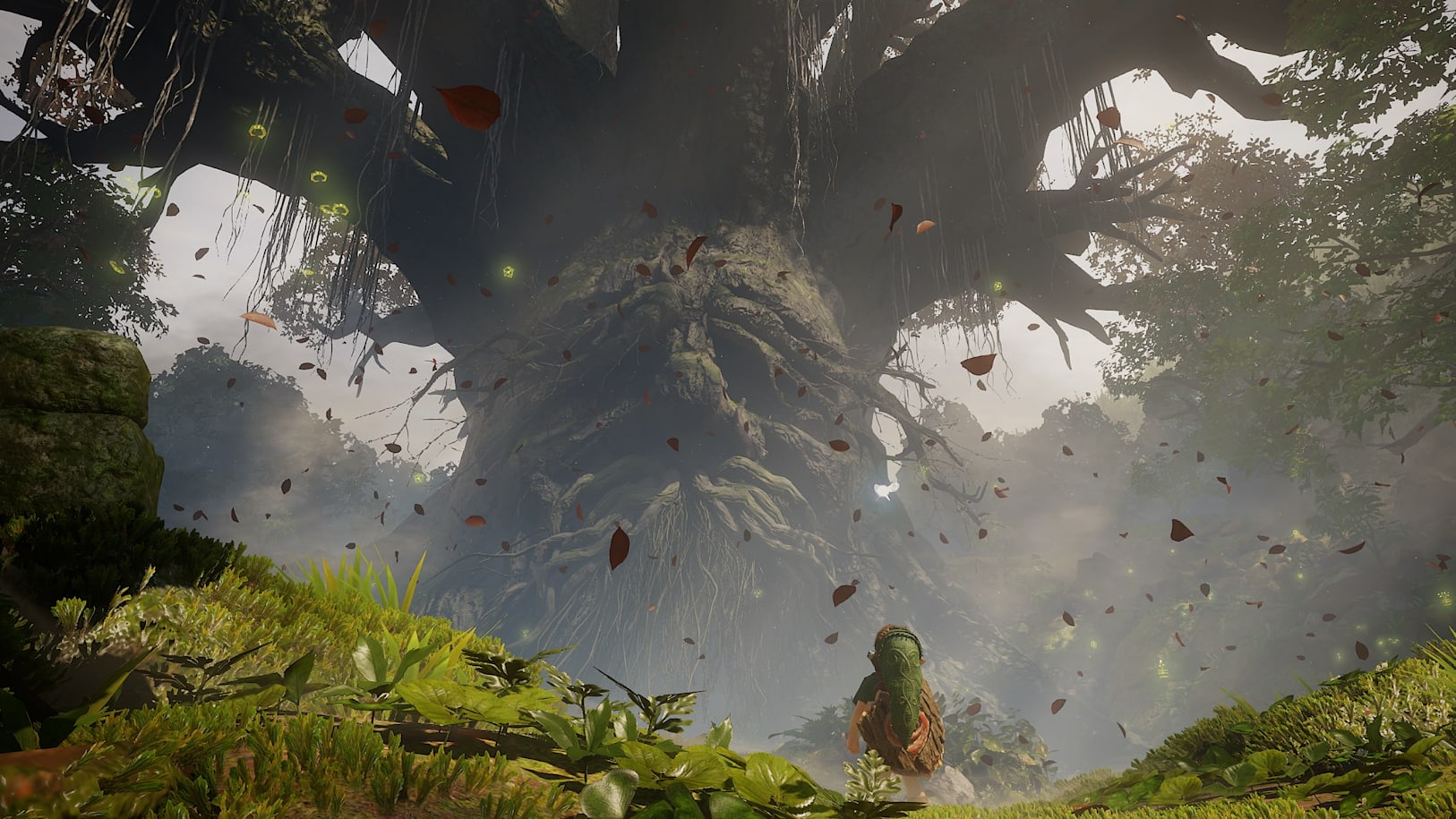
Nintendo’s own archival Iwata Asks interview with the original development staff makes the historical challenge unusually tangible. Yoshiaki Koizumi recalled working on environment construction, camera design, character work and items, while Eiji Aonuma described designing six dungeons together with enemies and boss encounters. Creative responsibilities were unusually fluid by today’s standards.
Another part of the same interview describes how early concepts explored a first-person perspective and experimented with jumping before the team settled on the feel of the final game. That context gives the new right-stick camera and dedicated jumping controls a fascinating historical resonance. These are not merely cosmetic changes; they revisit questions the original creators wrestled with nearly three decades ago.
We are citing Nintendo’s archived conversations, not presenting them as new interviews. For this special, Coloured Static Press has requested fresh comments and the chance to speak to people who study the game’s legacy.
The music is more than a soundtrack
In Ocarina of Time, music does something unusually powerful: it connects memory to action. Learning a melody means remembering a place, a person or a way forward. Songs aren’t simply accompaniment. They are tools the player carries across Hyrule, and their meanings change as the adventure unfolds.
Nintendo says the remake will feature a symphonic orchestral soundtrack, a decision that may give familiar melodies a new scale and emotional weight. The risk is not that the arrangements will sound too accomplished. It is whether the quietness and intimacy of certain moments survive that grander approach. We want to hear how the subtle pieces work alongside the triumphant ones, and whether the soundtrack retains the original’s distinctive rhythms.
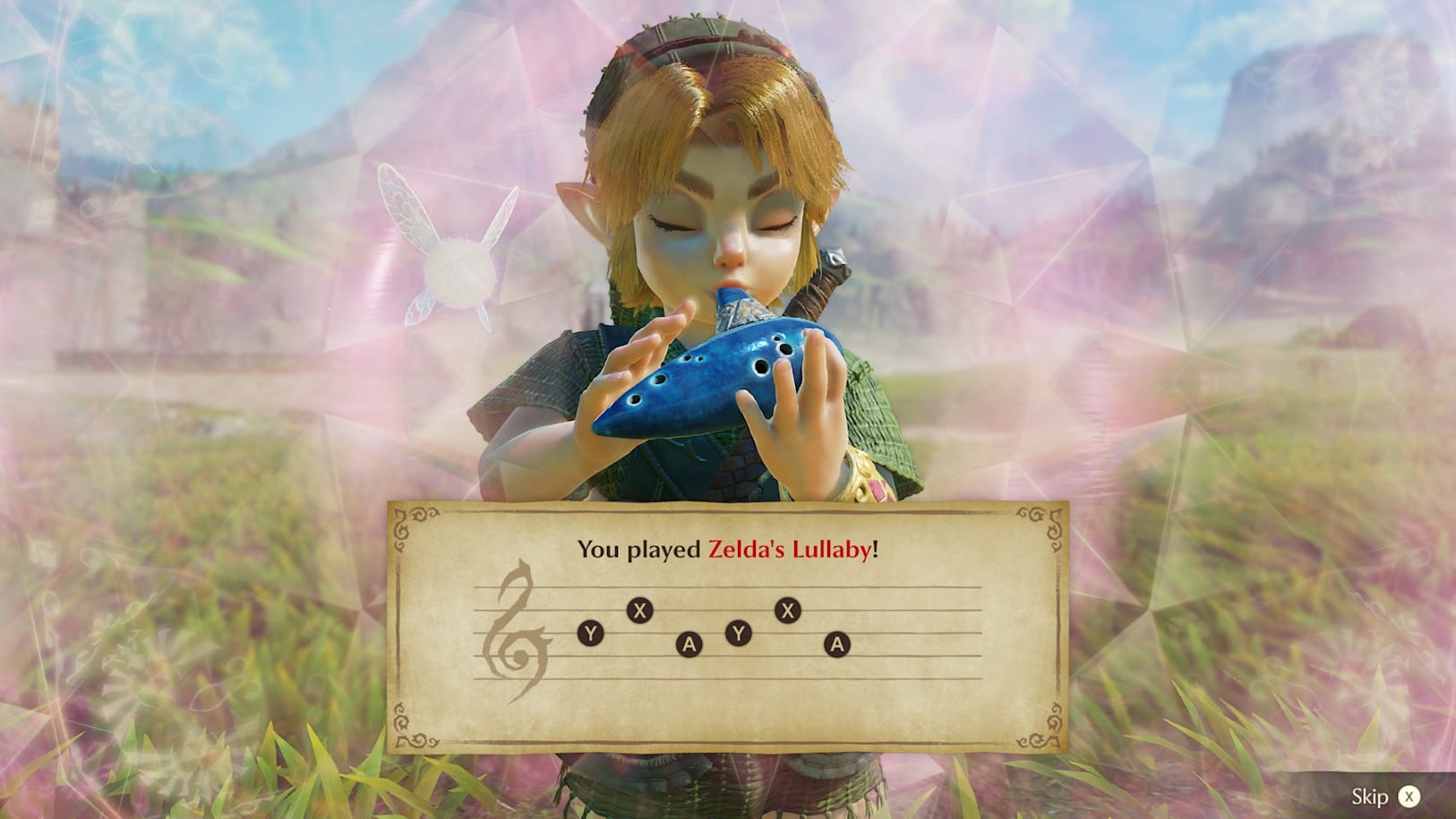
The new microphone-based ocarina controls could be one of the most personal additions of all: a melody played in the room becomes part of Link’s journey. It’s an imaginative way to narrow the gap between the person holding the controller and the character on the screen, provided the practical recognition works reliably. We’ll reserve that judgement for real testing.
The remake’s biggest challenge is preserving the journey
New technology can add detail. It cannot, on its own, recreate the feeling of entering a place for the first time. The original’s scale came as much from pacing and suggestion as polygon counts. A distant landmark mattered because players gradually understood how to reach it. A dungeon felt imposing because its architecture concealed the logic of the challenge until the player learned to read it.
The remake’s expanded dialogue and full voice acting will be particularly interesting to follow. A character once defined by a few lines of text might gain warmth, personality and nuance. But restraint is part of storytelling, too. We hope the new scenes enrich the relationships without explaining away the mystery that made the original memorable.
There’s a similar balance in modernised navigation. Threads of Time may make returning to a long adventure much less daunting, especially for newcomers. But a helpful objective tracker should ideally support curiosity rather than replace it. How much the new guidance can be adjusted, and how it alters the natural discovery of dungeons and side quests, will be worth investigating after launch.
The 40th anniversary makes this more than one game
Nintendo is positioning the remake within The Legend of Zelda’s 40th anniversary celebrations. Its themed Switch 2 console and accessories arrived on 29 October, while concerts, memorabilia and other projects will continue into 2027. The live-action film is also scheduled for 30 April 2027.
That breadth offers a useful reminder: Ocarina of Time is a piece of game design, but it is also a cultural memory that reaches collectors, musicians, artists, historians and players whose first encounter with Hyrule happened years apart.
What we’ll be asking in our follow-up coverage
We have contacted Nintendo UK’s press team with a specific request for official media access, a briefing or hands-on opportunity, and the possibility of fresh developer comment. We are also inviting established Zelda writers and game-history specialists to discuss the original game’s impact. None of those invitations implies that an interview, access or cooperation has been confirmed.
Our main questions are straightforward. How faithful are the dungeons and puzzles? Can players choose how much help Threads of Time provides? Does free jumping affect traversal and combat? How reliable is voice or instrument recognition for the ocarina? Do orchestral arrangements preserve the intimacy of the original? And, crucially, how does this reinterpretation feel to someone playing Ocarina of Time for the very first time?
We will pursue those answers through independent reporting, launch-window analysis and conversations with people who know the game deeply. Our long-form video and upcoming audio-only The Colour of Static podcast will explore design, music, preservation and community memory in ways a single article cannot.
Our verdict before launch
There can be no review verdict before we have played the finished game. What Nintendo has shown so far is an unusually ambitious interpretation of a defining adventure: rebuilt visuals, expanded performances, new interaction possibilities and updated navigation woven around the 1998 story.
The greatest hope isn’t merely that the remake resembles what players remember. It’s that someone beginning this adventure in 2026 might discover why a journey through time became so important in the first place. That’s the standard against which we’ll measure it.
Official information and acknowledgements
Official sources: Nintendo UK game page · Nintendo’s 40th anniversary announcement · Nintendo’s 14 October overview · Iwata Asks: original development staff · Iwata Asks: Shigeru Miyamoto on the 3D Zelda formula.
Image credits and rights: Official Nintendo artwork and screenshots, © Nintendo. Nintendo is not associated with, sponsoring, or endorsing this independently produced Coloured Static Press feature. Nintendo’s trailers are embedded from official channels, not copied or reuploaded. Press-team permission for expanded image/video use is being requested separately.
Editorial note: All features and dates were checked against Nintendo’s published materials as of 30 October 2026. No preview copy or Nintendo Switch 2 hardware was supplied for this report; we make no claims about hands-on performance.