
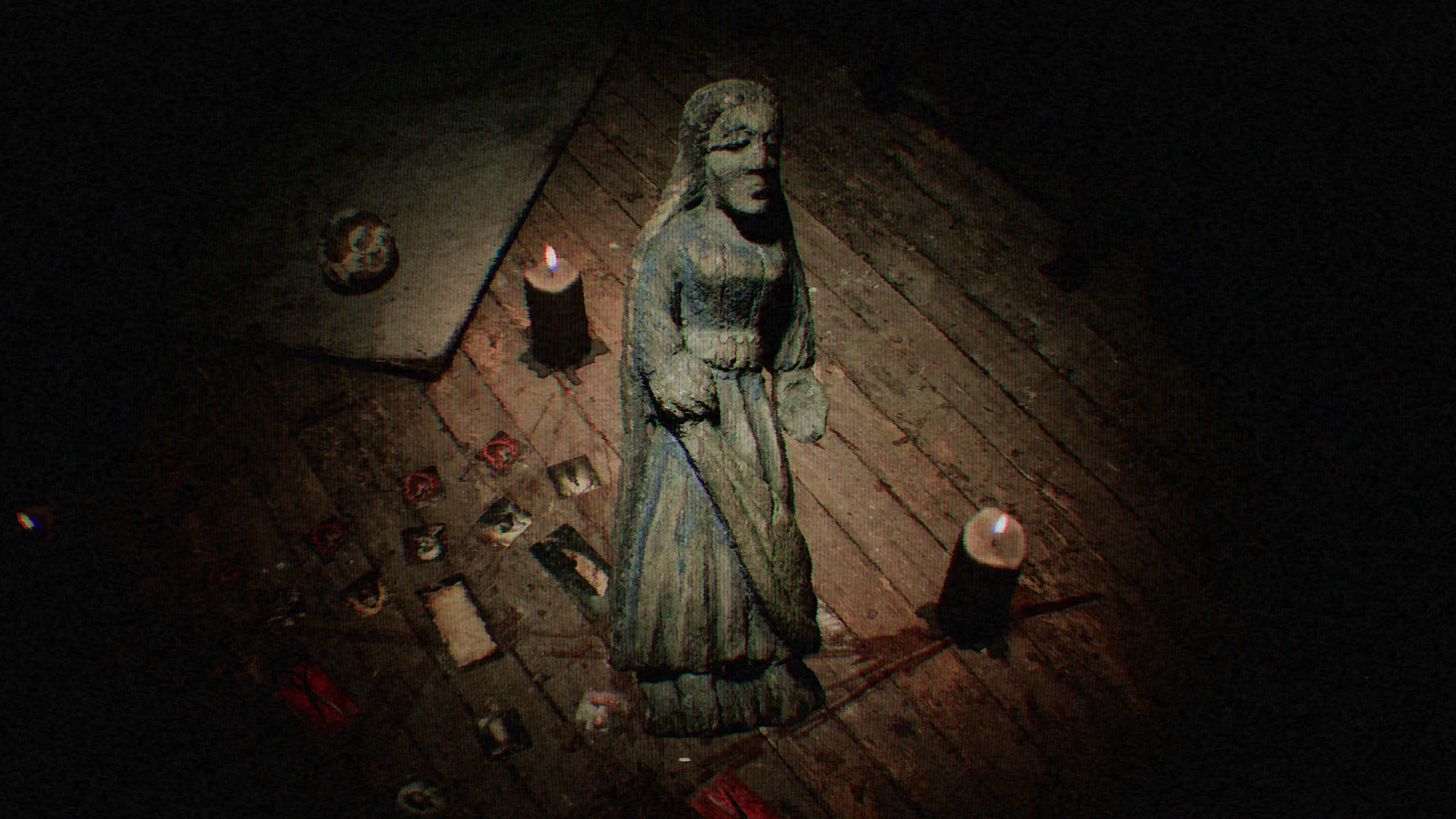
What happens when a childhood game becomes a supernatural ritual? In Desecrated Deck, solo developer Elvis Posa has turned rock, paper, scissors into a psychological horror experience built around cursed cards, a spectral opponent and the unsettling consequences of bargaining with the unknown.
Following our First Signal introduction, we spoke with Posa about the inspirations, development challenges and future of the game. His answers below have been lightly edited for presentation.
From familiar rules to unfamiliar terror
Posa traces the idea to playing Buckshot Roulette and Inscryption, and watching the horror film Tarot. The accessible rules of rock, paper, scissors offered a foundation that players could understand immediately, leaving room for atmosphere and consequential decisions.
He jokingly calls the project “The Cursed Child of Buckshot Roulette and Inscryption.” Its folklore centres on a father who attempts a dangerous ritual to save his terminally ill daughter, Lilly, only to lose her and ultimately his own life.
Every victory comes with a gamble
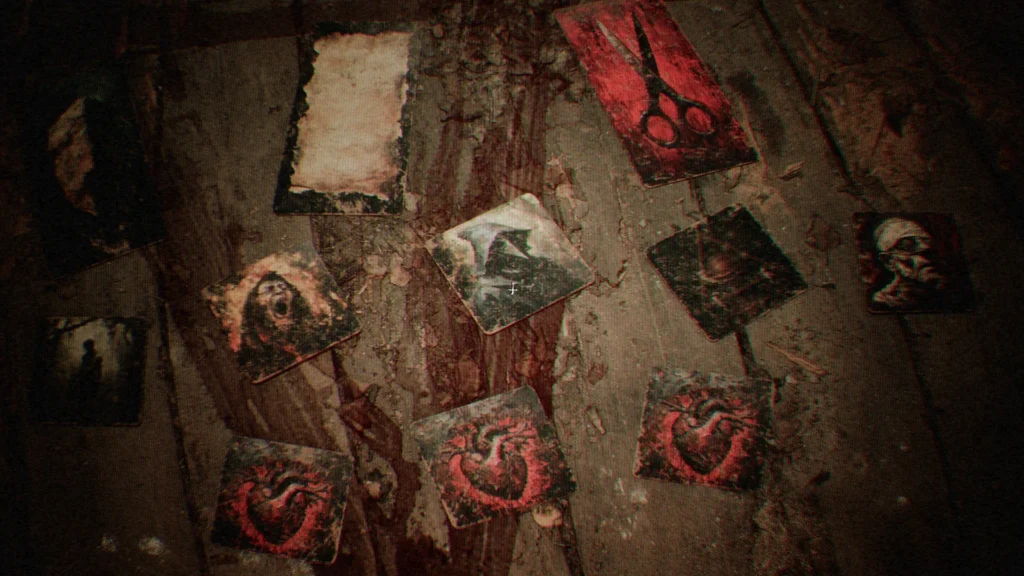
Winning a round allows players to draw from six hidden Item Cards. Some damage the opponent, one can restore a Life Card, and others introduce risks or further choices. The Thief opens access to four Perk Cards, including a mirror that reflects attacks, a gravestone that blocks an opponent’s draw, a mushroom that may neutralise an item and an oracle that reshuffles the deck.
Timing matters: Perks can be saved for the right moment and used once per Item Card cycle. Posa is also developing a separate Oracle mechanic in which players sacrifice their own Life Cards for the possibility of obtaining a powerful Super Card.
Making a ghost feel like an opponent
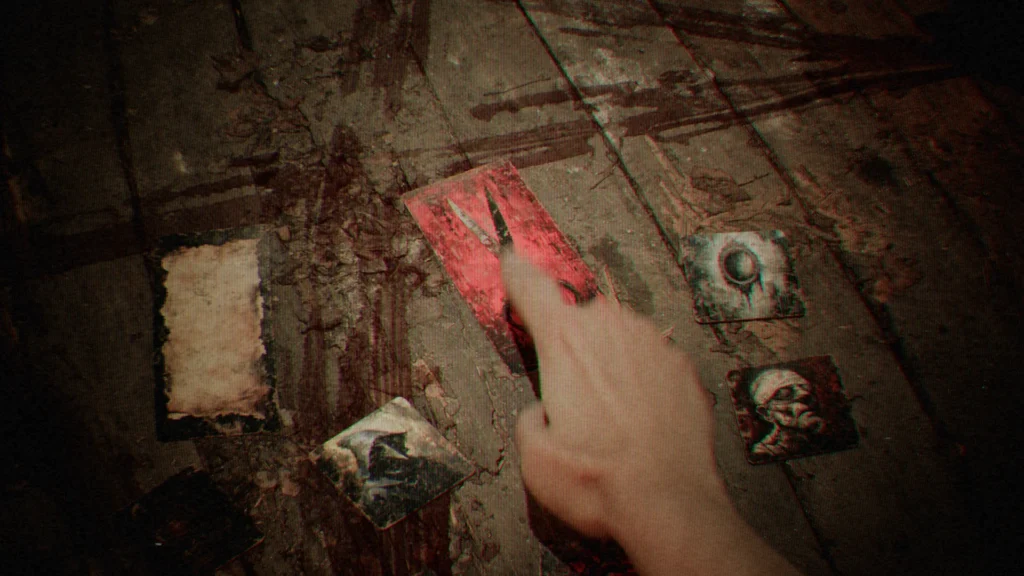
One of the larger programming tasks was teaching the spectral adversary to deploy its Perks intelligently rather than waste them. The ghost also reacts to the ritual: it may slam its hands in frustration or plunge the room into darkness. Posa wants those touches to create a personality, not merely an algorithm across the table.
What Steam Next Fest taught a solo developer
Player feedback prompted significant changes to the demo. A text-heavy manual became a more visual guide with short explanations, while contextual hints now help newcomers understand where to go and how to begin. Feedback also exposed technical problems, including issues involving outdated graphics drivers.
Posa describes the reality of working alone as a constant cycle of bug fixes, player suggestions and attention to detail. Maintaining a healthy balance, he says, is essential when the desire to perfect every element can make development feel endless.
The Graveyard and what comes next
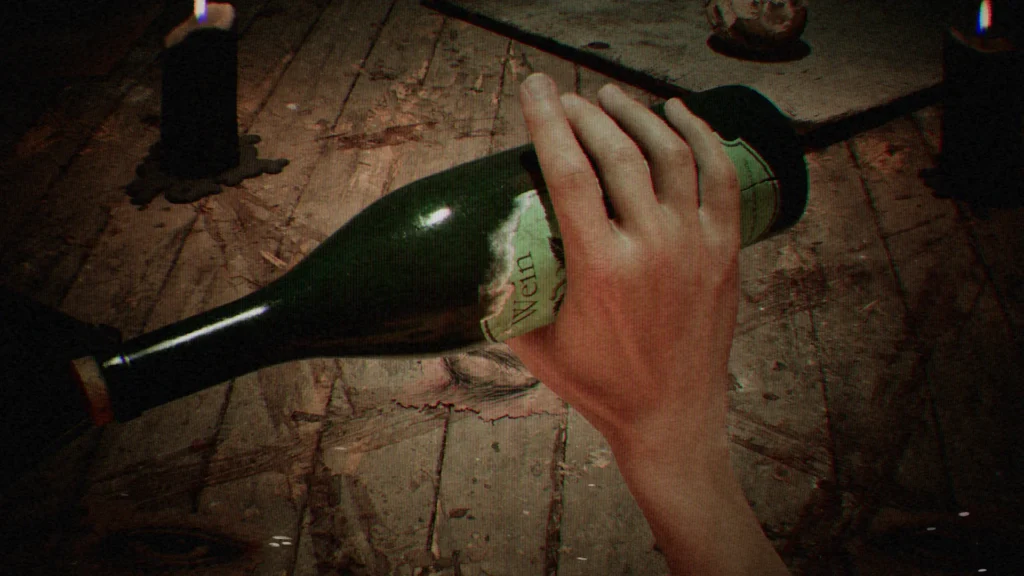
Beyond the new Life Card sacrifice system, Posa is planning collectible Cursed Objects that players can display and examine in their apartment. The Graveyard is his next major planned playable location, with further environments and discoveries intended to give players a reason to return after their first ritual.
His hope is simple: that players complete their first encounter, understand the rules and immediately want another round.
Desecrated Deck is in development for Windows PC. Its free demo is available on Steam. Learn more at hexeddeck.com.
Interview responses provided by Elvis Posa. This article is editorial coverage, not a paid placement.