
Eight years is a long time to live with a mountain range and a promise. When Bethesda first confirmed the existence of The Elder Scrolls VI in 2018, it gave players almost nothing to hold onto beyond a landscape and the knowledge that the series would return. On 3 November 2026, during Bethesda Game Studios’ 40th-anniversary celebrations, that changed in one small but meaningful way: the game has a name. The Elder Scrolls VI: Sentinel.
It is a reveal worth reporting, but also one that demands some restraint. A title is not a release date. A logo is not a gameplay demonstration. And eight years of fan speculation do not become confirmed design decisions just because Bethesda has finally lifted the curtain another inch.
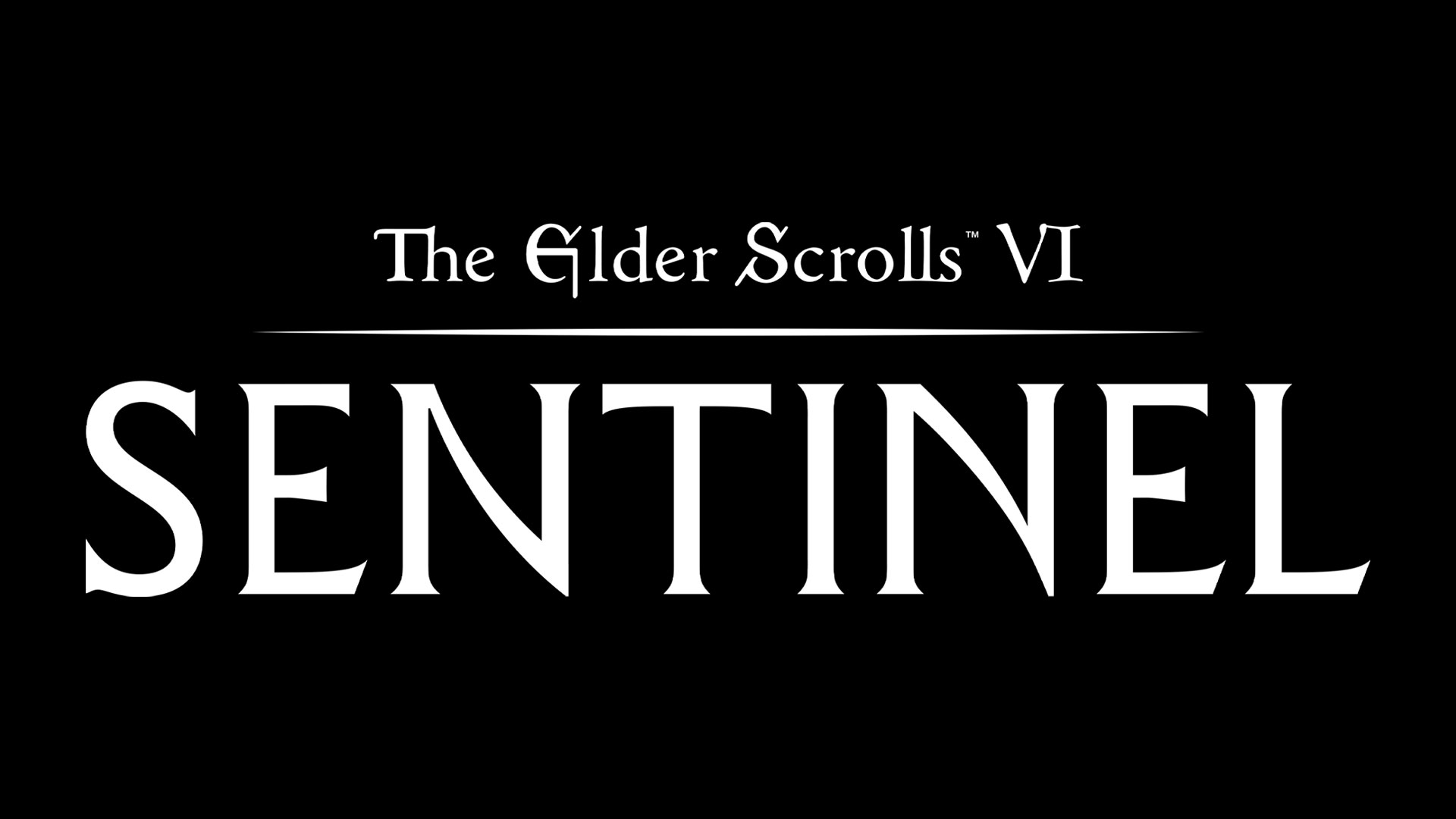
What Bethesda has actually announced
The reveal includes a short cinematic image of an Elder Scroll emerging from sand, alongside an inscription attributed to Yazar, a Moth Priest serving High Queen Iradne of Hammerfell in 4E 206. The inscription alludes to a lost future and an undone victory. This is an intriguing narrative clue, but not a synopsis: it does not establish the protagonist, antagonist, quest structure or ending.
Bethesda’s accompanying public statement says it has revealed the game’s name and location, strengthening the Hammerfell connection beyond the familiar geography of the word Sentinel. That still leaves the playable region, historical setting and precise scope unconfirmed. The difference between a confirmed location and a confirmed map is important.
Official materials: Xbox Wire’s official name reveal and logo; Bethesda’s 40th-anniversary gallery. The reveal does not show gameplay.
What the announcement does not tell us
The name was revealed at the close of Bethesda’s anniversary video, with Todd Howard reflecting on the games and teams that brought the studio to this moment. The accompanying Xbox Wire coverage confirmed the title. Bethesda has not provided a release window, platform list, gameplay footage or a detailed breakdown of the world in this announcement.
That distinction matters. It is tempting to build an entire game from a single word, particularly when that word has a history in Tamriel, but readers deserve to know which pieces are official and which are interpretation.
Why Sentinel is such an evocative choice
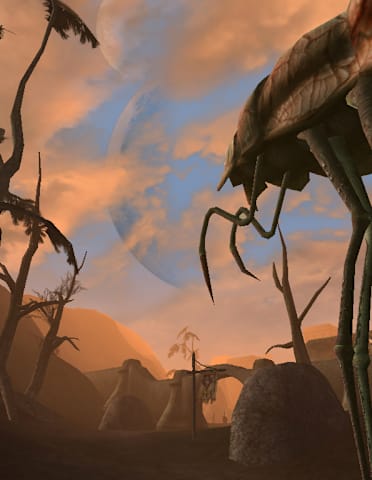
Long-time Elder Scrolls players will recognise Sentinel as a major city and kingdom associated with Hammerfell and the Redguards. That gives the title immediate geographical and cultural resonance. It also opens the door to questions about how Bethesda might interpret Hammerfell’s politics, landscapes and history in a modern open-world RPG.
Bethesda has announced the game’s name and location. However, that does not establish the boundaries of its playable world or its detailed design. That does not establish the full playable map, the size of its cities or the precise historical period. Even if Hammerfell proves central, there is a world of difference between a recognisable location and a confirmed design specification.
What eight years of anticipation have changed
Skyrim arrived in 2011, and its longevity has made the gap between numbered Elder Scrolls releases unusually visible. Since then, expectations of open-world games have shifted: players have grown accustomed to more reactive systems, deeper accessibility options, increasingly detailed environments and more transparent post-launch support. Bethesda has also released Fallout 4, Fallout 76 and Starfield, each contributing to the conversation about what its next flagship RPG should retain or rethink.
That is the real challenge behind today’s announcement. The next Elder Scrolls must feel unmistakably like Elder Scrolls while justifying the passage of time. The appeal has never been only map size. It is the sense that a distant ruin, an overheard conversation or an apparently insignificant detour might lead somewhere memorable.
Watch Bethesda’s official announcement
The name was unveiled during Bethesda’s 40th-anniversary film. The announcement is a title reveal, not a gameplay demonstration.
View the official Sentinel announcement and logo on Xbox Wire.
What the mysterious inscription actually says
The teaser attributes its cryptic words to Yazar, a Moth Priest serving High Queen Iradne of Hammerfell, and dates the passage to 4E 206. That makes it more specific than a decorative tagline: Bethesda has deliberately supplied a named speaker, a political figure and an in-world date. Yet the passage’s images of a lost future and an undone victory remain deliberately ambiguous. The Elder Scrolls series has long treated prophecy as something difficult to interpret, not an instruction manual for the next game’s plot.
The responsible reading is therefore twofold. Hammerfell is directly named in the teaser’s fictional attribution, adding meaningful evidence to reports of the game’s location. But the inscription alone cannot tell us whether the game takes place in 4E 206, whether Iradne appears as a character, or whether its events revolve around a particular historical conflict. Those are intriguing possibilities, not confirmed details.
What the questions worth asking next really are
We want to know how Bethesda is approaching exploration, factions, role-playing choices, quest consequences, combat and the character of its world. We want to know whether the team is aiming for a single tightly realised region or something broader. We want to know what it has learned from the games released during the long wait. None of those answers was supplied by the name reveal.
For now, Sentinel is a welcome marker on a very long road. The next meaningful milestone will not be another theory about the logo. It will be Bethesda showing players how this world actually lives and responds.
Primary sources: Xbox Wire: Celebrating 40 Years of Bethesda Game Studios. Image credit: Bethesda Game Studios / Xbox Wire. Official reveal artwork used for the featured image; no gameplay footage has been released.