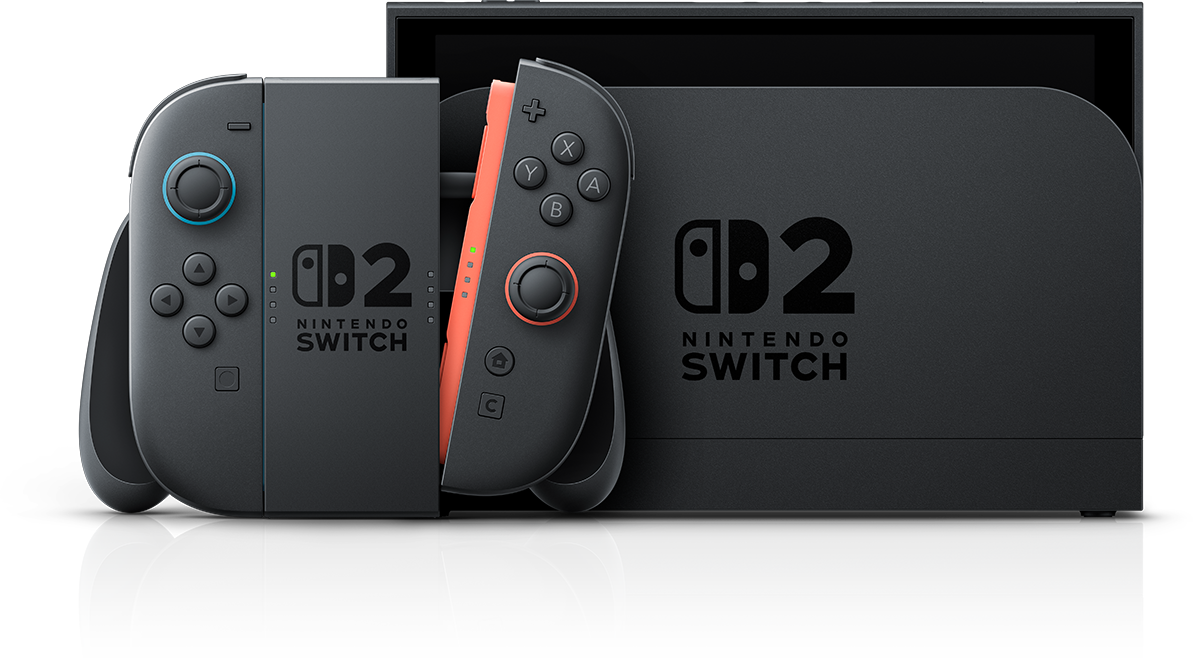
For years, the standard gaming advice was simple: get a PC if you want flexibility, then buy whichever console has the exclusives you cannot resist. In 2026, we think that answer is becoming a little more interesting. If you already have a capable gaming PC, the Nintendo Switch 2 is rapidly making one of the strongest cases for being your second machine.
Not because it can outperform a dedicated gaming rig, because it does not need to. The appeal is the gap it fills: Nintendo’s distinctive first-party adventures, accessible living-room and local multiplayer, a growing collection of inventive independent games, and the simple pleasure of taking the same experience away from a desk.
Coloured Static Press opinion | 30 October 2026. This is an editorial argument informed by Nintendo’s published software catalogue and technical specifications, not a hands-on hardware review. We have not been supplied with a Switch 2 for testing. Game imagery is official publisher artwork, reproduced with credit; availability and compatibility should be checked by region.
The PC already does the heavy lifting
There is a reason many of us gravitate towards PC as our primary platform. High frame rates at 1440p and beyond, ultrawide or multi-monitor setups, adjustable graphical settings, mods, broad storefronts, a huge back catalogue and deep control over hardware all make the desktop extraordinarily versatile. If you have invested in a good PC, buying another box merely to play many of the same multiplatform games at different settings can be difficult to justify.
And that is precisely why Switch 2 stands out. Rather than competing with a PC on the PC’s strongest ground, it offers a genuinely different relationship with gaming. One device is where you settle in for demanding sessions, streaming and performance tuning. The other lets you leave the desk, play something playful or surprising, hand a controller to a friend, or continue an adventure while travelling.
This is not an argument against PlayStation, Xbox, Steam Deck or other handheld PCs. Each serves a different player. Our argument is specifically about complementarity: if the gaming PC is already the centre of your setup, what purchase adds the most new kinds of play?
Nintendo’s own games give the second machine a reason to exist
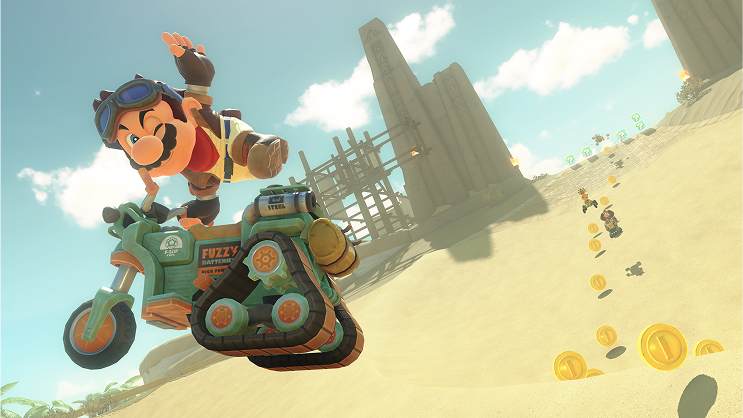
The first-party library has gone a long way towards answering that. Mario Kart World delivers a very different kind of competitive energy from a typical PC evening. Donkey Kong Bananza brings a bold, tactile adventure. Kirby Air Riders, Mario Tennis Fever and Pokémon Pokopia show how Nintendo can move between frantic, social and relaxed experiences without losing its own identity.
Then consider the enhanced Nintendo Switch 2 versions of Breath of the Wild, Tears of the Kingdom, Super Mario Bros. Wonder, Metroid Prime 4: Beyond and other familiar favourites. Compatible original Switch games broaden the selection even further, although Nintendo makes clear that not every older title works perfectly and some upgrades are sold separately.
This is the kind of variety that matters in a second machine. It is not about owning the biggest possible library twice. It is about having compelling reasons to switch systems, because they offer different moods and experiences.
Indies are turning Switch 2 into a discovery machine
The stronger argument, at least for Coloured Static Press, may be happening beyond Nintendo’s own studios. Our editorial identity is built around independent games, and Nintendo’s 28 October Indie World showcase felt like another statement of intent: the platform is increasingly being presented as a home for ideas that do not have to fit a blockbuster template.
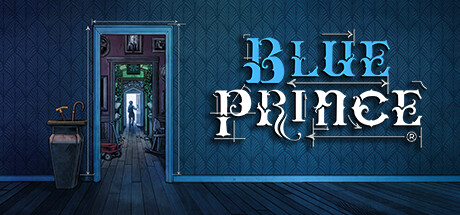
Look at what is already available. Blue Prince builds a remarkable puzzle mystery around the rooms of a changing manor. Minishoot’ Adventures blends exploration with twin-stick shooting, while Rotwood approaches co-operative action through a distinctive brawler design. All three are available on Switch 2 according to Nintendo’s catalogue. They are exactly the kind of experiences that might tempt a player to spend half an hour away from the keyboard and unexpectedly remain there all evening.
But it is the range of ideas that makes us optimistic. Nintendo’s newest showcase featured the magical life sim Witchbrook, the cooperative community-building of Spirit Crossing, the unsettling loot-extraction chaos of R.E.P.O., the raccoon antics of Dumpster Gang, and the highly stylised action of Tenjutsu. These titles do not all launch immediately, and they do not share identical release dates, but together they paint a picture of a console that refuses to be defined by one genre.
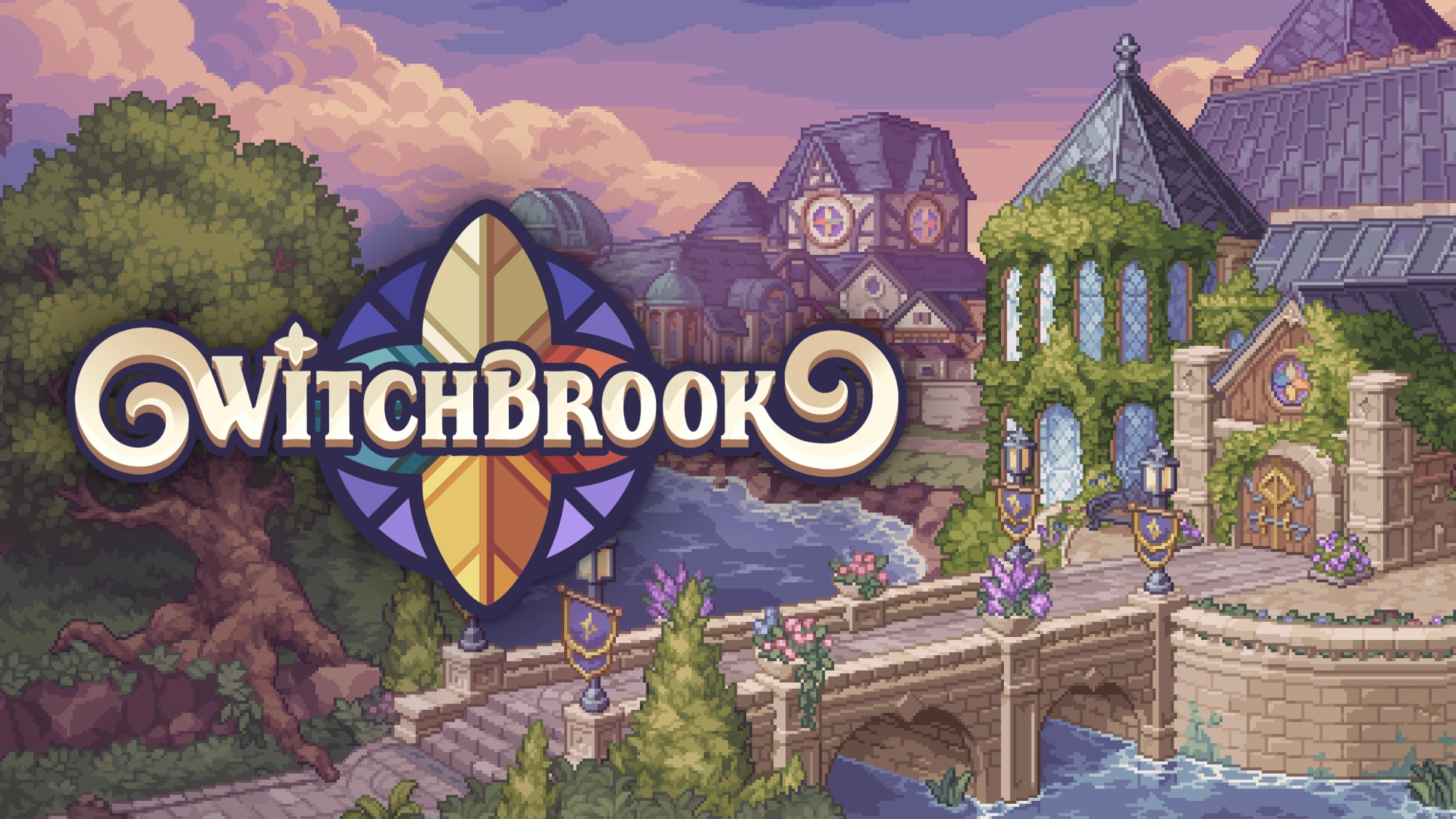
There are stranger ideas still: RACCOIN: Chaos Max Edition turns a coin-pusher concept into a roguelike, Petal Runner explores a vibrant pixel-art world, and Winds of Viridia promises fluid movement through a mysterious landscape. Some have playable demos; others belong on the watch list. Nintendo’s 29 October Indie World summary gives the announced release windows and supported systems.
Of course, many of these games are also on PC. That is not a weakness in the argument. A good indie can feel different when played with a handheld in your lap rather than at a desk. There is something appealing about letting Switch 2 become the home of unexpected discoveries, while the PC remains the place for technical showpieces, mods and games that benefit from a mouse, keyboard or high-refresh monitor.
The games make the case: recent arrivals and what is next
Here is a snapshot of confirmed Nintendo Switch 2 releases that illustrates the range. This is a curated selection, not a complete release calendar, and includes dedicated Switch 2 games or clearly identified Switch 2 editions. Dates are UK-listed where available and were checked on 30 October 2026; schedules can change.
Already available: September–October 2026
| Release | Game and why it matters |
|---|---|
| 3 Sept 2026 | Orbitals — a retro-anime, two-player co-op space adventure |
| 17 Sept 2026 | Fire Emblem: Fortune’s Weave — Nintendo’s time-spanning tactical RPG |
| 8 Oct 2026 | Order of the Sinking Star — a vast, interconnected indie puzzle adventure |
| 14 Oct 2026 | Ratatan — colourful rhythm-driven roguelike action |
| 22 Oct 2026 | Nintendo Switch Sports Resort — a Wuhu Island return built around sociable motion-controlled sports |
| 27 Oct 2026 | Minecraft (Switch 2 version) — the creative sandbox with Switch 2 visual enhancements |
Confirmed and coming next
| Release | Game and why it matters |
|---|---|
| 5 Nov 2026 | The Legend of Zelda: Ocarina of Time — Nintendo’s rebuilt landmark adventure |
| 10 Nov 2026 | TANUKI: Pon’s Summer — BMX deliveries and a charming town-life adventure |
| 10 Nov 2026 | RACCOIN: Chaos Max Edition — a delightfully strange coin-pusher roguelike |
| 12 Nov 2026 | Pikmin 4 – Nintendo Switch 2 Edition + Dandori Academy — an enhanced strategy adventure with new Dandori challenges |
| 4 Dec 2026 | Monster Hunter Wilds — a major big-budget hunting adventure |
| 28 Jan 2027 | Witchbrook — magical, social life-sim adventures from Chucklefish |
| 8 Mar 2027 | Petal Runner — a striking pixel-art, solarpunk courier RPG |
And the creative pipeline reaches further: Nintendo has also confirmed R.E.P.O., Tenjutsu, Winds of Viridia and Dumpster Gang for Switch 2 in 2027, with individual dates still to be confirmed or subject to regional announcements. The latest Nintendo Indie World roundup is worth following for further changes.
Dates and platform confirmations: Nintendo UK game listings, its September/October/November 2026 release roundups, and the October Indie World and September Nintendo Direct announcements. Not every game here is exclusive to Switch 2. Links above lead to Nintendo’s original announcements or store pages.
Portability is not just a specification
Nintendo’s hardware makes the distinction more convincing than it was on the original Switch. Switch 2 offers a 7.9-inch 1080p LCD with HDR and variable refresh-rate support, with frame rates up to 120fps in compatible software. Docked output can reach 4K in supported games and displays, although 4K is limited to 60fps. These are capability ceilings, not guarantees that every game will achieve those figures.
The real attraction is the freedom to move between television, handheld and tabletop play. Joy-Con 2 mouse controls give certain strategy, puzzle and creative games another way to work, while GameShare supports shared play in selected titles. This is a different proposition from buying another fixed machine to sit beside the same monitor.
It also matters to everyday life. Sometimes you want a serious evening at the PC. Sometimes you want twenty minutes of a clever puzzle, a quick race, a game to share with family or something to carry away from your normal setup. That flexibility cannot be measured meaningfully in teraflops.
A second console should earn its price
The case is strong, but it should not become an excuse to ignore costs. A Switch 2 is a substantial extra purchase, particularly when you already own a capable computer. First-party Nintendo software can command premium prices, some enhanced Switch 2 editions require paid upgrade packs, and online features or Nintendo Classics may require a Nintendo Switch Online subscription.
There are practical considerations too. Nintendo quotes roughly 2 to 6.5 hours of battery life, depending on the game and how the system is used. The 256GB internal storage can fill quickly, and expansion requires microSD Express rather than the ordinary microSD cards many players already own. Nintendo’s game-key cards also deserve attention: some boxed releases contain a download key rather than the complete game data. Preservation-minded buyers should check exactly what a physical purchase includes.
And not every original Switch game is fully compatible. Backwards compatibility is a major benefit, not a promise of flawless support for every title. That nuance matters more than marketing shorthand.
What about a Steam Deck or another handheld PC?
A Steam Deck or Windows handheld deserves serious consideration, especially for someone with a large PC library who wants to take existing purchases away from the desk. For many players, that may be the smarter value proposition: the same storefronts, familiar accounts and a greater overlap with their existing games.
The trade-off is exactly that overlap. Our editorial argument for Switch 2 is not that it offers the most PC-like handheld experience, but that it offers the least redundant companion experience for certain PC owners. Nintendo’s software, local-friendly design and dependable console-style interface can offer a different rhythm. Whether those differences justify the price will depend on which games you genuinely want to play.
Our view: let each system do what it does best
The more we look at Nintendo’s first-party slate and the expanding indie pipeline, the more natural this pairing seems. Keep the PC for demanding releases, creative tools, rich multiplayer ecosystems, mods and high-performance play. Give Switch 2 the adventures Nintendo makes uniquely its own, colourful local sessions, portable discovery and those odd little independent games that keep surprising us.
That does not make Switch 2 the right second machine for everyone. If Nintendo’s exclusives do not appeal, if your budget is stretched, or if you already have a handheld PC that does everything you need, there may be no reason to buy another system at all.
But for us at Coloured Static Press, the balance is increasingly persuasive: Nintendo Switch 2 is fast becoming the obvious companion to a gaming PC, not because it replaces anything the PC does well, but because it adds so much that feels different. And with imaginative independent games becoming a bigger part of the story, we think its most interesting years may still be ahead.
It is a reminder of what makes having more than one platform worthwhile. The best second machine is not necessarily the second-most-powerful. It is the one that gives you new reasons to play.
Further reading and sources
Our related reporting: Nintendo Switch 2’s Next Chapter: The Games That Will Define Its Second Year · Ocarina of Time Reborn · Mario Kart World analysis · Fire Emblem: Fortune’s Weave.
Reporting sources: Nintendo UK software catalogue and backwards compatibility; Nintendo Indie World, 29 October 2026; Nintendo Switch 2 features and performance specifications; Nintendo battery-life guidance.
Editorial disclosure: This is an opinion piece, not a review or paid endorsement. Coloured Static Press has not received a Nintendo Switch 2 review unit. We have not conducted side-by-side performance testing, and all named upcoming releases are identified as such. Images are Nintendo or publisher promotional assets used for reporting and attributed accordingly.