
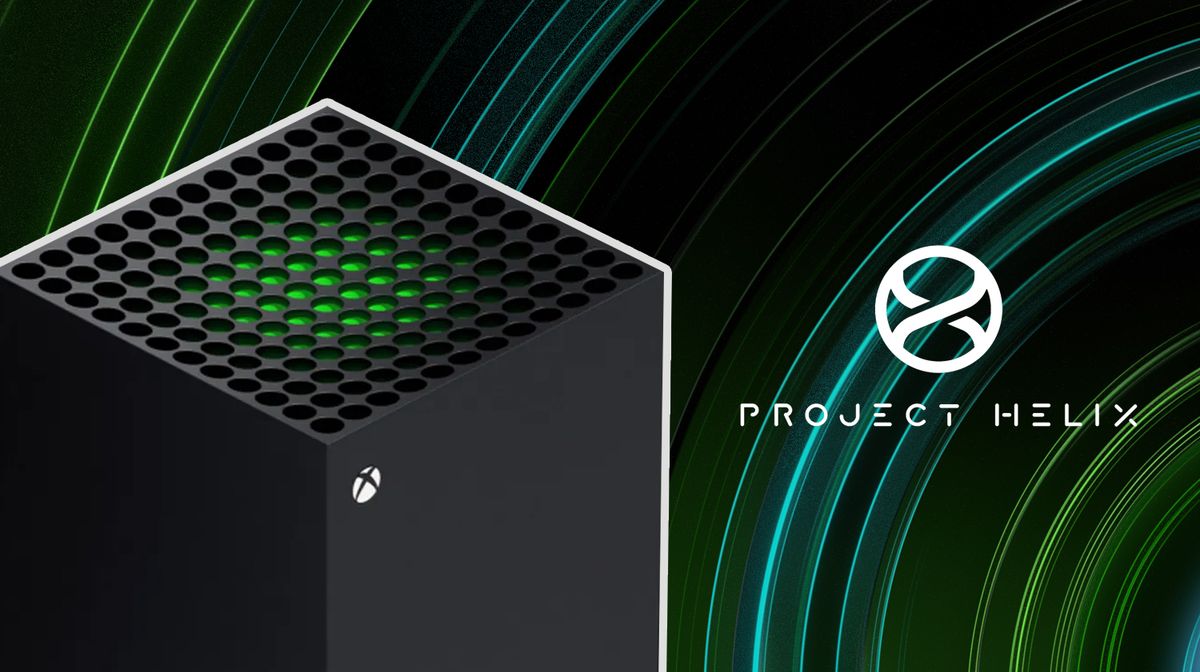
Xbox’s next generation is beginning to take shape, but there is an enormous difference between Microsoft’s ambitions and what players will ultimately be asked to pay.
Project Helix is Microsoft’s next-generation Xbox initiative, with the company previously describing hardware intended to play both Xbox and PC games. New reporting has put a possible launch timetable, a separate handheld and an eye-watering price range into the conversation. Before anyone starts saving up, these details need a substantial caveat: they are reports, not announced specifications, launch dates or retail prices.
What is actually being reported?
Reporting published on 20 October, drawing on a Fortune profile of Xbox leadership, describes a possible handheld arriving around the 2027 holiday season and a next-generation home console targeted for late 2028. Internally projected costs of $1,200 to $1,800 have also been reported for the console. That figure is not an Xbox price announcement, and potential hardware subsidies could change the amount customers actually pay.
There are further reports of discussions over how Windows and Xbox software might work together on the hardware. A console that takes PC compatibility seriously could reshape the distinction between a closed living-room machine and a gaming computer. Equally, doing so without losing the simplicity that makes consoles appealing will be a considerable challenge.
The Game Pass question
The same reporting suggests Microsoft is considering more modular Game Pass subscriptions, potentially separating features such as multiplayer and cloud gaming into add-ons. Again, nothing about those reported subscription changes should be mistaken for a confirmed new pricing structure.
For the average player, the value of Game Pass has always been about knowing what is included and deciding whether the monthly bill makes sense. Greater flexibility might help people who only use a few services. It could also make comparisons harder if essential features are spread across several add-ons. The details, not the headline, will determine whether this benefits players.
Does Xbox risk pricing people out?
There is a legitimate appeal to an ambitious new Xbox. Better hardware, closer PC integration and a potential family of devices could be exciting. But a premium price also raises a basic question: who is the machine actually for?
Consoles have traditionally sold convenience and accessibility alongside performance. If a next-generation Xbox gets too close to high-end PC pricing, it will need to give people a compelling reason not to build or buy a PC instead. That is an editorial concern, rather than a prediction that Microsoft has already made a costly mistake.
Our view
We want Xbox to succeed because the industry benefits from meaningful competition, distinct hardware ideas and more choices for players. But Microsoft has a job to do in explaining what the next Xbox is, who it serves and what makes it worth owning.
Until official specifications and prices are published, this story is best treated as a window into possible strategy, not a buying guide. We’ll keep the distinction clear as further information emerges.
Sources: Ars Technica reporting, 20 October 2026; The Verge reporting, 20 October 2026.