
JUBAKU Wants You to Investigate a Haunted House, Not Simply Survive It
A 1991 Japanese haunting, a journalist with a limited camera roll and an investigation that will ultimately be judged on the evidence you gathered.
There’s a familiar moment in horror games when you realise the safest decision would be to leave. JUBAKU gives you a professional reason to stay: you’re the journalist sent to find out what happened. Walking away without the evidence is hardly a satisfying ending to the story.
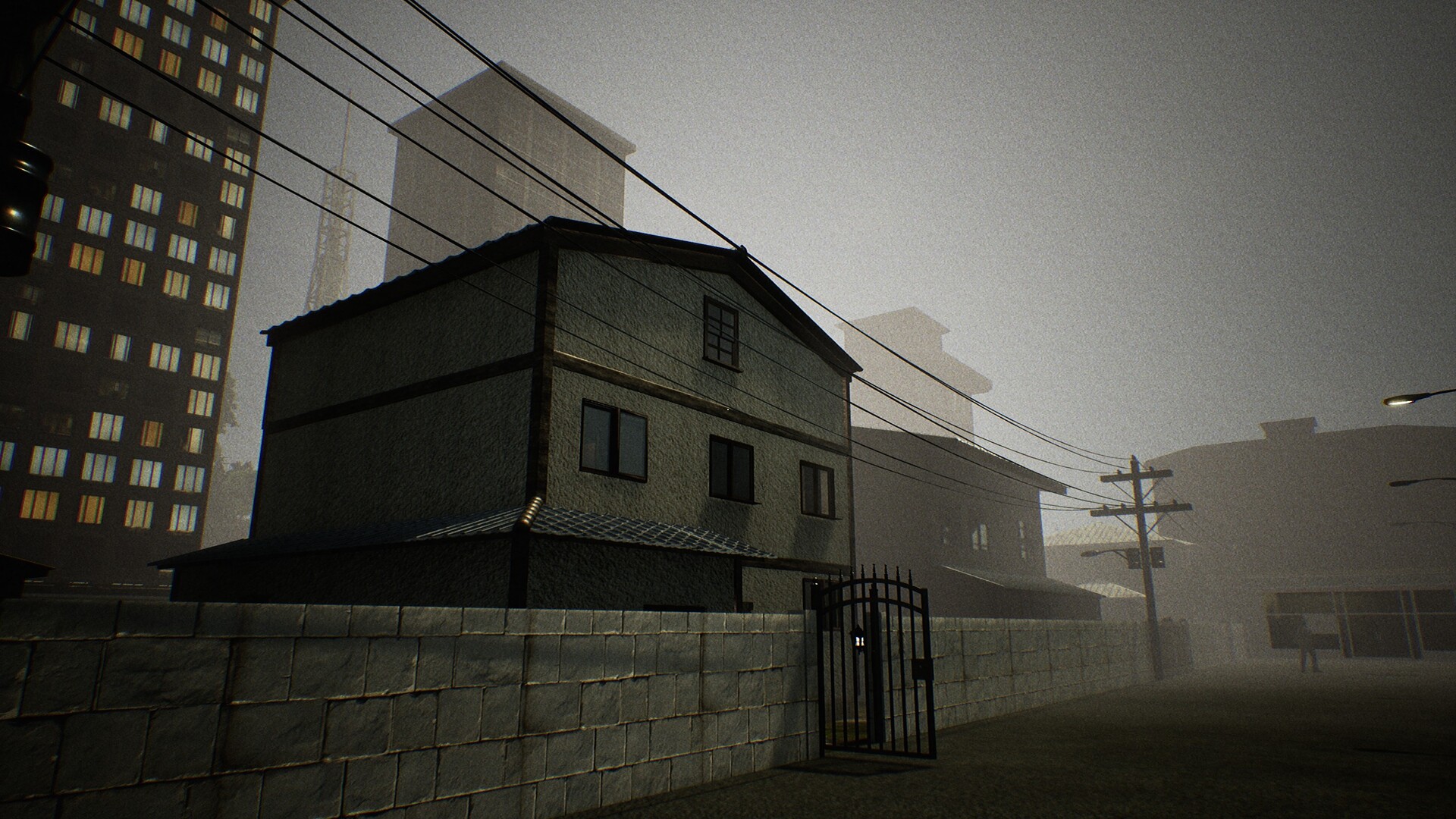
Developed and published by BabGamesStudio, this first-person psychological horror project takes place in Japan in 1991. Its setting is the Tanaka Residence, a house wrapped in rumours that no visitor survives beyond the third day. An American reporter is sent to investigate, questioning locals, searching rooms and piecing together hidden recordings and paranormal evidence. The deeper the investigation goes, the less trustworthy the familiar surroundings become.
The camera is your most important tool
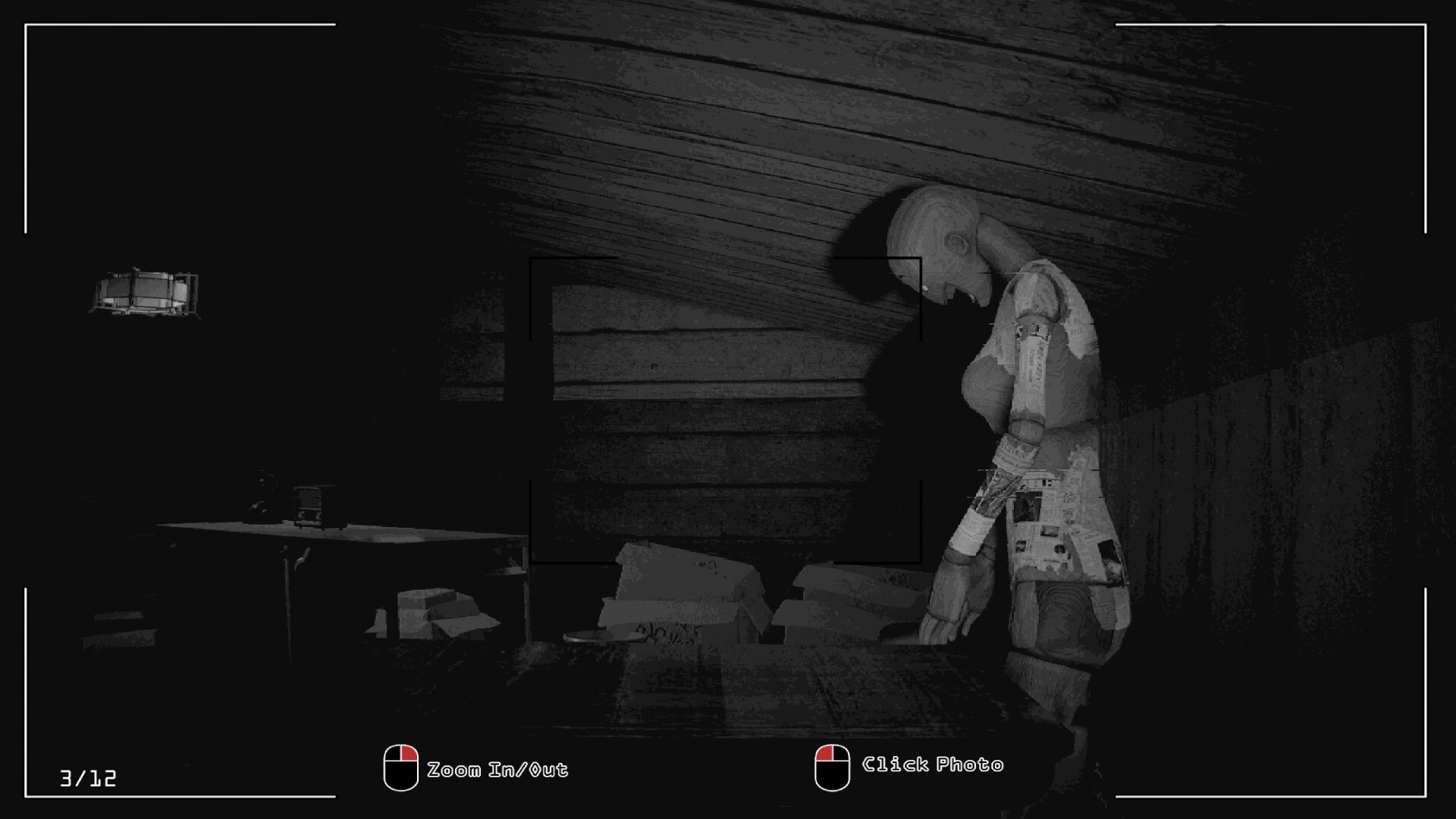
The strongest idea here isn’t simply the Japanese haunted-house setting. It’s the photographic evidence system. You must identify scenes worth documenting, choose when to use your camera and ultimately receive a journalistic grade based on the quality, relevance and completeness of your findings. Evidence isn’t merely a collectible tucked into a diary; according to the developer, it is fundamental to how the investigation is judged.
And your camera roll isn’t bottomless. The three advertised modes make that resource management part of the experience. Rookie provides clearer interaction prompts, untimed decisions and room for twelve photographs. Reporter removes those highlights and cuts the limit to eight. Journalist allows just six shots, adds timed choices and restarts the entire investigation on death.
That’s a compelling way to connect difficulty to the fiction. A careless photographer can miss important details, while an observant one has to decide what actually matters. If the execution lives up to the premise, every apparently ordinary room could become something worth scrutinising.
A haunting with choices, recordings and multiple endings
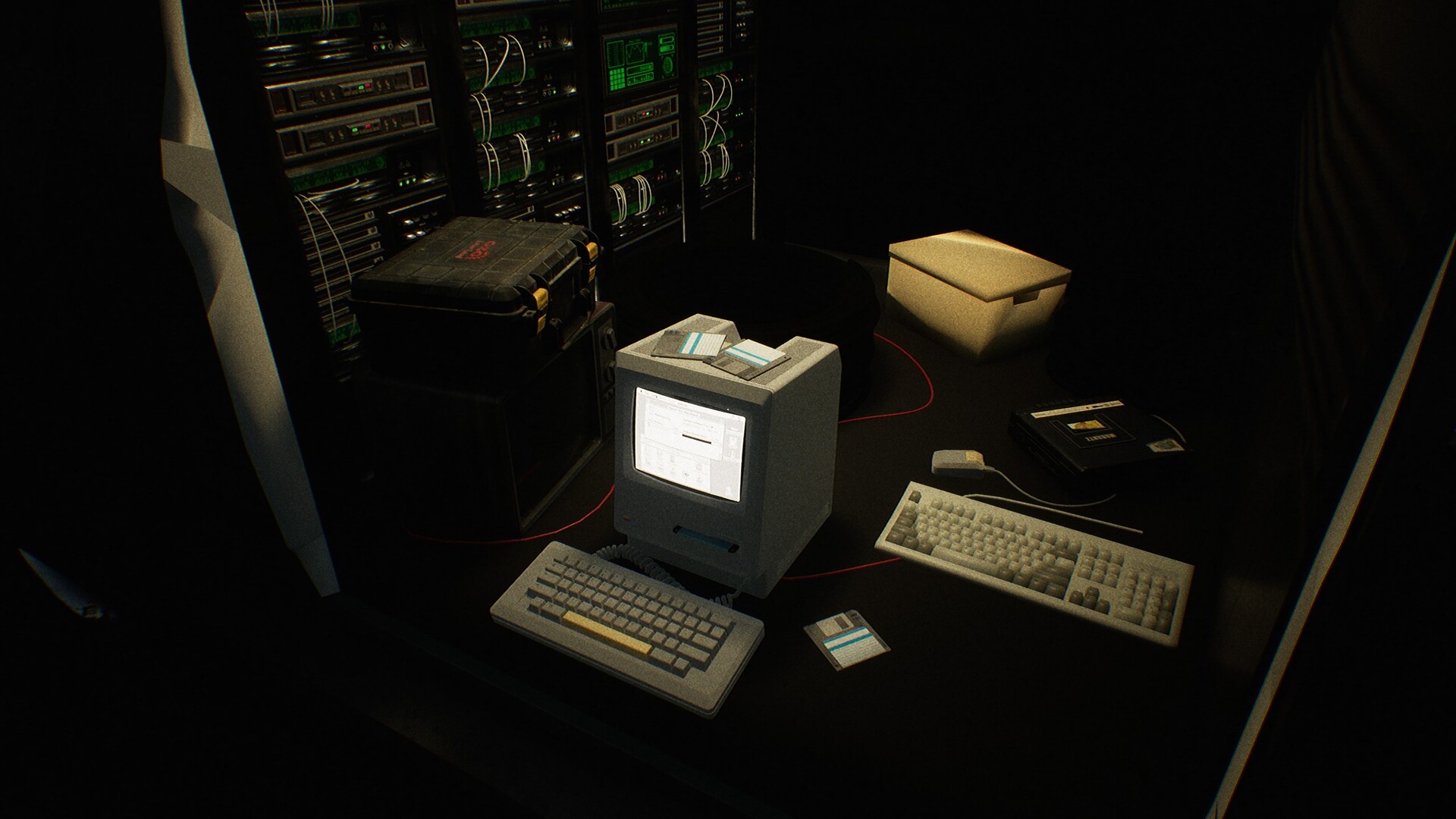
JUBAKU also promises branching decisions and several conclusions, including a hidden ending tied to uncovering the fuller story of the residence. Interviews with uneasy locals and the search for concealed recordings suggest a structure that gives curious players reasons to revisit the case after one attempt.
Its story tackles difficult subject matter. The developer’s Steam disclosure includes references to domestic and child abuse, suicide, death and psychological trauma, alongside frightening supernatural imagery and jump scares. That’s worth knowing before entering what might otherwise look like a straightforward ghost-hunting game.
Why it’s on our Halloween radar
Plenty of independent horror games build their tension around pursuit or hiding. JUBAKU‘s appeal is the pressure of being an investigator: having to observe, interpret and document unsettling things when instinct says to run. The choice to grade your evidence, rather than simply reward survival, makes this a particularly interesting prospect for anyone who enjoys narrative mysteries.
The free demo launched on 25 September 2026 and is available now on Steam. The developers have confirmed directly to Coloured Static Press that the demo will remain available until December 2026, rather than disappearing immediately after Steam Next Fest. The full release is currently listed for Q1 2027. The game was submitted directly to Coloured Static Press by its developers for indie-horror discovery coverage.
Investigate the Tanaka Residence
Play the free JUBAKU demo on Steam
Editorial note: This First Signal introduction is based on official Steam information and game assets plus the studio’s submitted press materials. We have not played the demo for this article. This is not a hands-on preview or review, and no review score is assigned. All imagery is original game media credited to BabGamesStudio.