
Former Club Penguin Artist Rémi Couture on Making Games Safer for Families
From drawing backgrounds for Club Penguin to building a game that parents and children can share, Rémi Couture has spent a career thinking about the people on the other side of the screen. His latest project, Sloth Jam, is an attempt to put that understanding into a free family party game.
Sloth Jam’s one-minute rounds and one-stick-one-button controls sound deliberately small. Behind them sits a much larger question: can an online family game be welcoming without relying on pressure, streaks or aggressive monetisation? We speak to developer Rémi Couture about his Club Penguin years, two decades working in user experience, and the design rules he refuses to compromise.
“The most important principle is to never make someone feel stupid.”Rémi Couture
Your journey began at Club Penguin. What experiences shaped your decision to create Sloth Jam, and what did you want to do differently?
I’m Rémi Couture also known as Guillaume, a game developer now based in Quebec, and the founder of Strategic Sloth. I actually started at Club Penguin answering player emails. I was always drawing, and my art ended up being used as wallpaper backgrounds around the company, which got me moved into the art department. I worked there as an illustrator and animator from 2006 to 2009, the years it went from a Canadian startup to a Disney worldwide hit.
After that I spent about 20 years in game UX and UI, the menus, buttons and screens players actually touch, working with studios like Disney, Sony, Riot Games and Tencent. Over those years I saw kids’ games drift toward streaks, loot boxes and pressure to keep playing, and I saw people with bad intentions finding ways to reach kids online. Sloth Jam is my own game and my way of going back to my roots: something safe and fun that brings families together, with none of the tricks designed to squeeze money out of parents.
Why make Sloth Jam a browser-first family party game instead of a traditional downloadable release?
I wanted the smallest possible gap between hearing about Sloth Jam and playing it. In a browser there’s nothing to install, no storage to free up and no app store to ask permission from. A parent can open slothjam.com on whatever device is nearby and the family is playing in seconds. A party game made sense because the best gaming memories I have are a whole room laughing together, not one person alone with a screen. It’s also out on Android and Amazon now, with iOS coming soon, but the browser version is the open front door.
How did you design controls, communication and safety features for children and relatives who rarely play games?
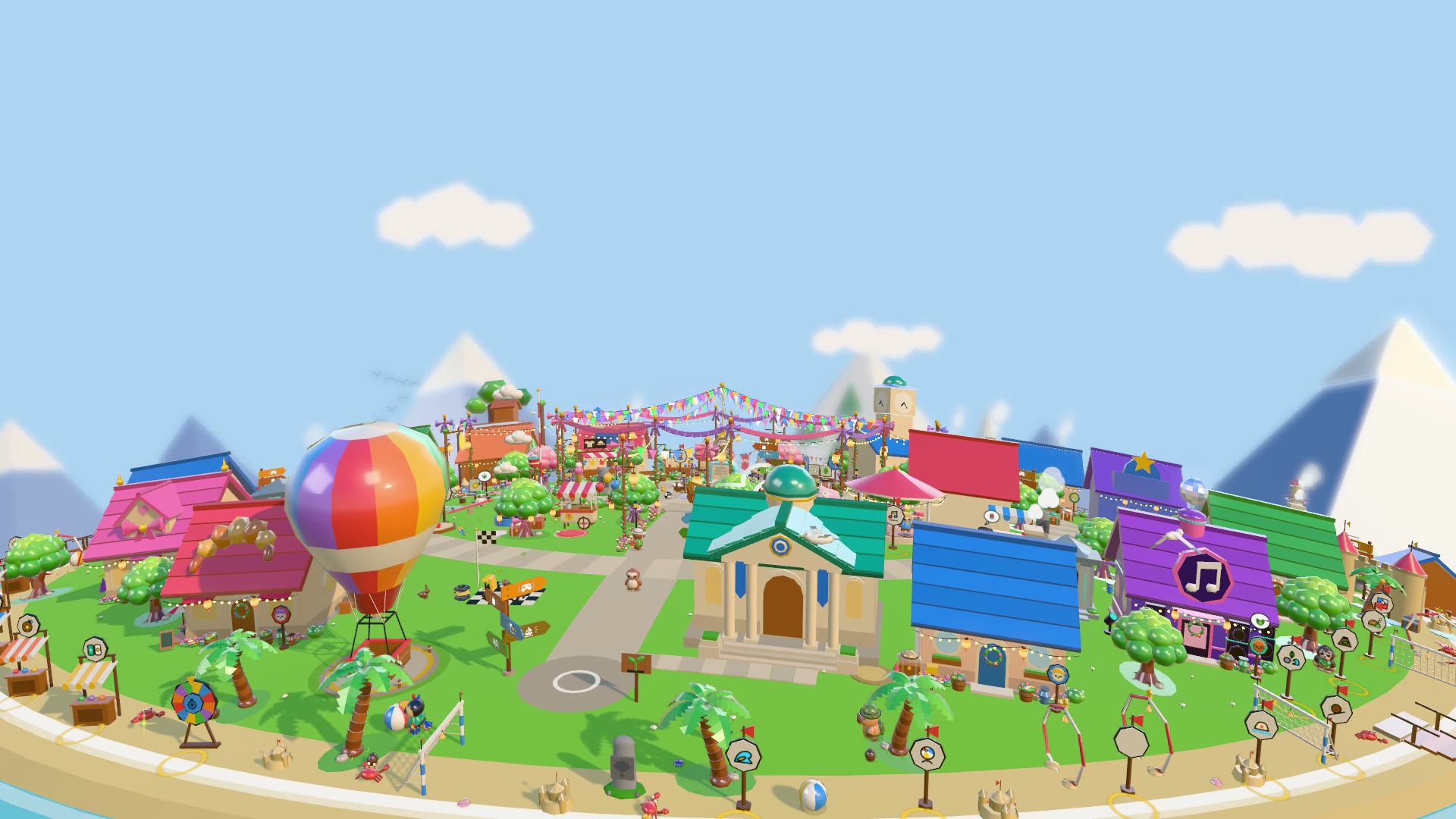
The most important principle is to never make someone feel stupid. Every game uses one stick and one button, so once you learn those two controls you can play everything on the island. Lots of six-year-olds can’t read yet, so I set a hard rule early: play is pictures and numbers, and only the grown-up screens use words. Rules are shown, not written. Rounds last one minute, so if you don’t get it the first time, you’re only a minute away from another try. And safety is part of the design, not an add-on: a grown-up sets things up, sloth names are made from two pictures so nobody can type anything nasty, chat is a short list of kind words, and online play with other families stays off until a grown-up turns it on.
What makes a short Sloth Jam session enjoyable for different ages, and how do you keep the games fair without removing depth?
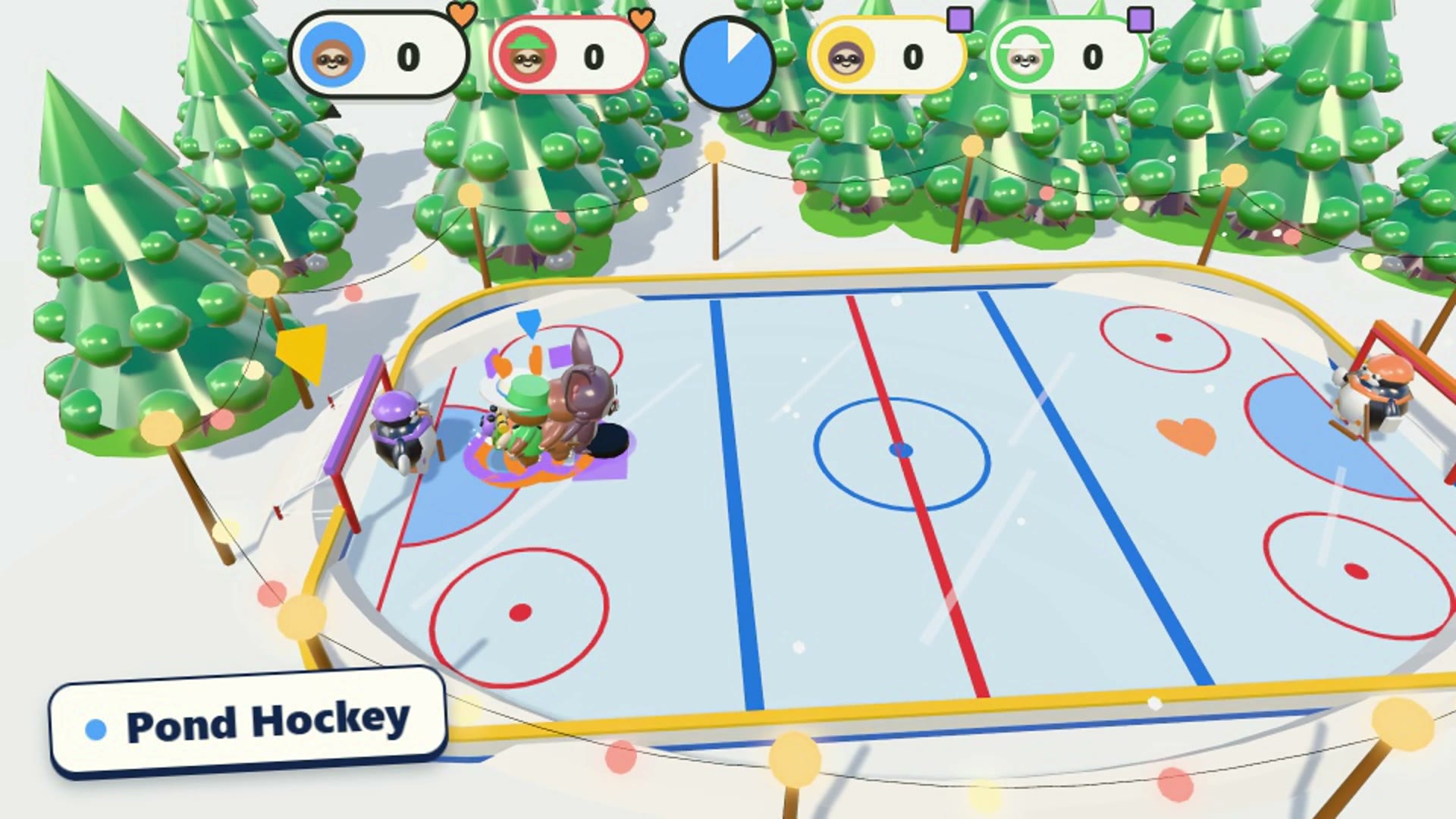
A typical session is a few one-minute games, three rounds to a match, passed around the sofa or played side by side. My favourite mode is the Family Cup: you pass one phone or tablet around, play a few rounds after dinner, and put it down. To keep it fair across ages, a lot of small rules work together. The last round counts double, so anyone can come back. Last place picks the final game. Some rounds put players on teams that share the score, and in Lantern Parade nobody loses. The computer players behave like a kind older sibling, tuned so a new player wins about one round in four. For depth, there’s a big variety of party games, Sloth Kart with five tracks, a picture-told story mode, and a garden that keeps growing while you’re away, so there’s always a reason to come back without any pressure to.
What has been most challenging about making the same game work across desktops, phones and tablets?
The hardest part is that the same game has to feel natural with a keyboard, a gamepad and a thumb on a small touchscreen. That’s a big reason everything is one stick and one button: it maps cleanly to all of them. Performance is the other challenge. A family’s old tablet has to run it as smoothly as a gaming PC, so I keep scenes light and test on lower-end phones. And on mobile, every button has to be big enough for small hands and placed where thumbs naturally rest. My UX background helped a lot here.
What have early-access players and families taught you about the little things that make a game memorable?
The best thing I’ve seen is kids picking up the game for the first time and instantly laughing and screaming. It gets very loud! What surprised me is that the small touches, the kid humour, Easter eggs and cute little actions, are often what they shout about first, more than winning. That taught me to treat those details as core features, not extras.
What comes next for Sloth Jam, and what would you tell other artists or UX designers thinking about making their first game?
Next, I want to get Sloth Jam into more families’ hands, grow the community, and keep adding games, stories, events and things for kids to do, plus iOS and possibly other devices like the Nintendo Switch. My advice to artists and UX designers: you already have the skill that matters most, which is understanding how something makes a person feel. Start small, ship something playable early, and watch real people play it. Their faces will teach you more than any document. And decide early what you won’t do, because for me, the rules I set around safety and money shaped Sloth Jam more than any feature did.
The story continues.
Sloth Jam is free to play in early access. Its developer’s plans and feature descriptions above are his own account, not the result of independent hands-on testing.
Explore Sloth Jam (free early access) ↗
This is a written interview with answers supplied by the developer. Coloured Static Press has edited the presentation for readability; the answers retain the original meaning and are not a hands-on review. Imagery is credited to its rights holder.