
BEHIND THE SIGNAL / SEVEN-QUESTION DEVELOPER INTERVIEW
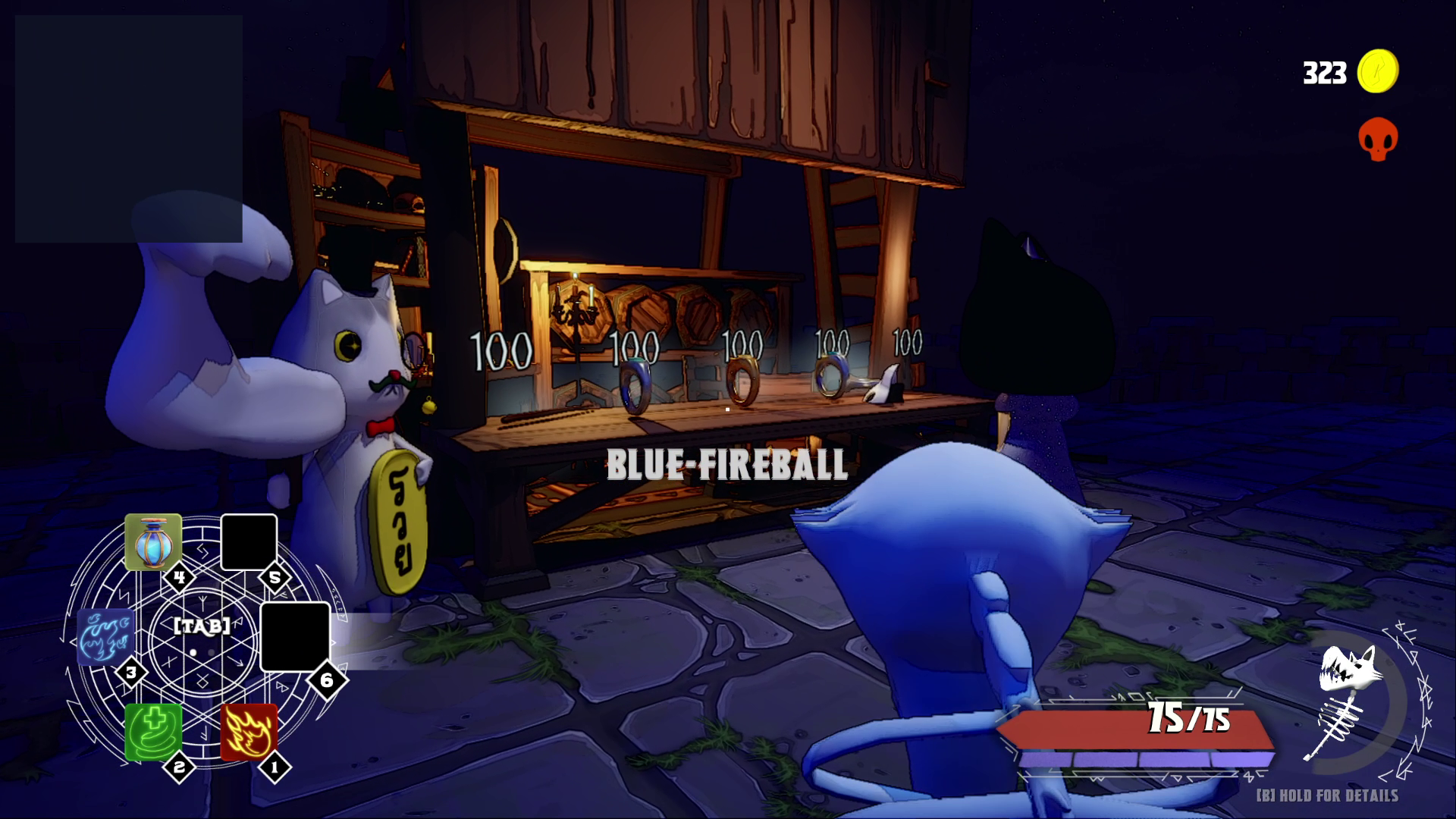
There are plenty of action games where a button makes magic happen. Caster Crew asks you to say the spell out loud. What began as a three-person computer-engineering capstone project has become an online co-op action roguelike in which a working microphone is part of the fantasy.
It is a wonderfully simple pitch until you consider everything that can go wrong: speech-recognition delay, different accents, a spell activating before you’ve finished aiming, and the small matter of speaking incantations in front of your friends. Coloured Static Press invited Ploparov of the Caster Crew development team to explain how those problems shaped the game.
The studio supplied these seven answers and four original gameplay screenshots for our Behind the Signal series. The free Windows demo is publicly available on Steam; this is a developer interview based on correspondence, not a review or claim that we’ve played it.
In conversation with the Caster Crew team
1. How did your three-person team first come up with spoken incantations as the central mechanic?
Caster Crew started as our capstone project. We knew we wanted to make a game, but because we study computer engineering, we thought a conventional game idea might not be approved as a capstone project. So we looked for an interesting mechanic that would also be suitable for our field, and eventually settled on casting spells with our voices.
2. What technical or design problems did you face making voice commands reliable during frantic combat?
One of the biggest challenges was balancing accuracy with fun. If spells are too difficult to pronounce correctly, the flow of the game can be interrupted and players can become frustrated.
To help with this, our system listens for a limited set of spell incantations rather than trying to recognize every word. We also use approximate matching, so a phrase doesn’t have to be recognized perfectly as long as it is close enough.
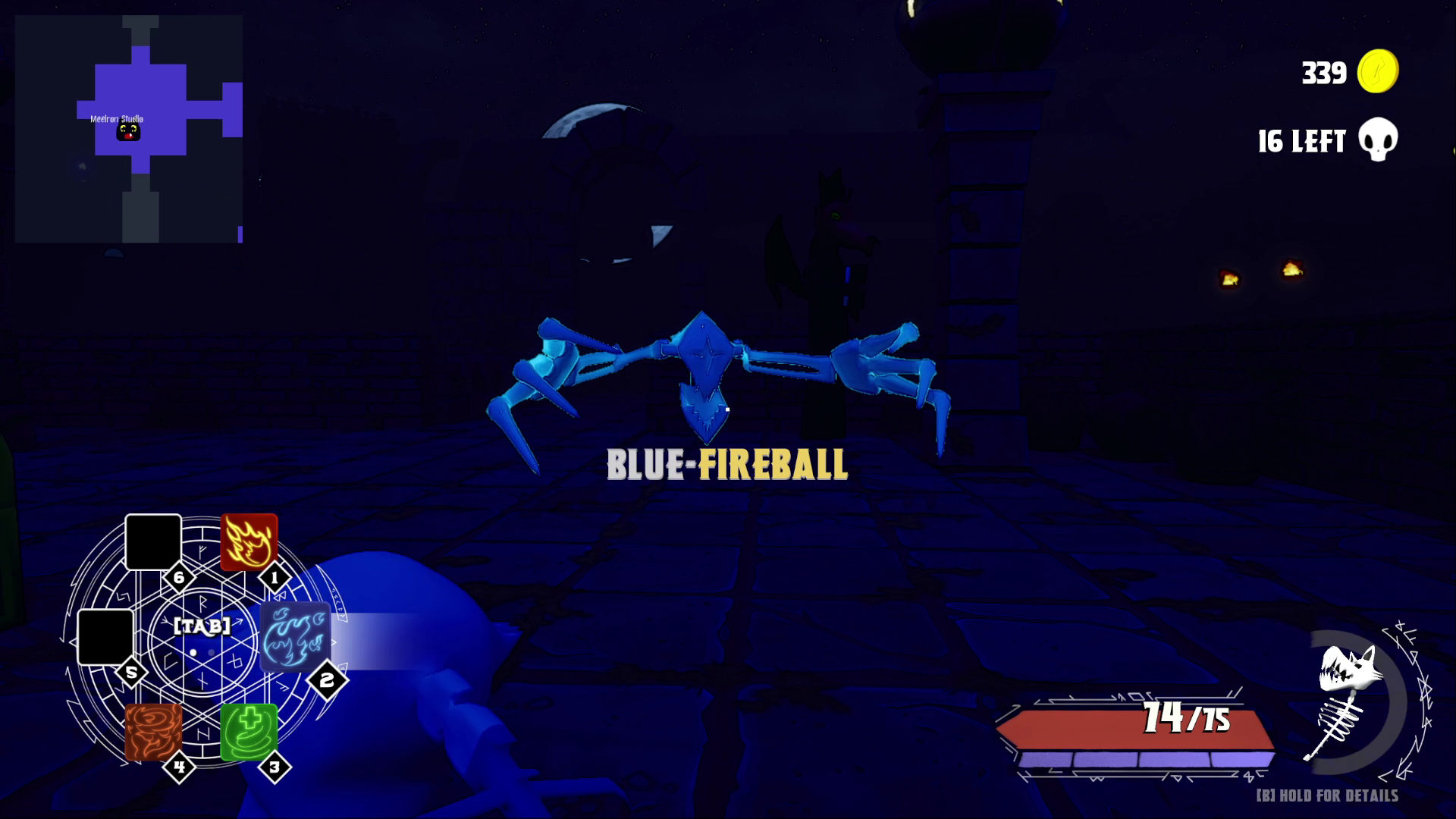
Another important decision was to let players choose when to release a spell after speaking it. In an earlier version, the spell activated immediately. The combined delay from capturing and recognizing speech and activating the spell made it hard to predict when it would fire, which made aiming and combat much more difficult. Letting players release the spell themselves made combat feel more manageable.
3. How do you stop players from feeling embarrassed or frustrated when speaking spells aloud, especially in multiplayer?
We haven’t added a specific feature to prevent that feeling. For us, speaking the spells is part of stepping into the role of a mage and experiencing the game that way.
4. How have you designed the system to accommodate different accents, voices and microphones?
We have tried the system with English spoken in several accents, including Chinese, Indian, and Thai accents, and it has generally worked in our tests. As for microphones, I use the one built into my laptop while developing the game and haven’t had problems with it. We haven’t designed a special solution for different microphones, so individual results may still vary.
5. What does a good co-op moment look like when everyone has different spells and equipment?
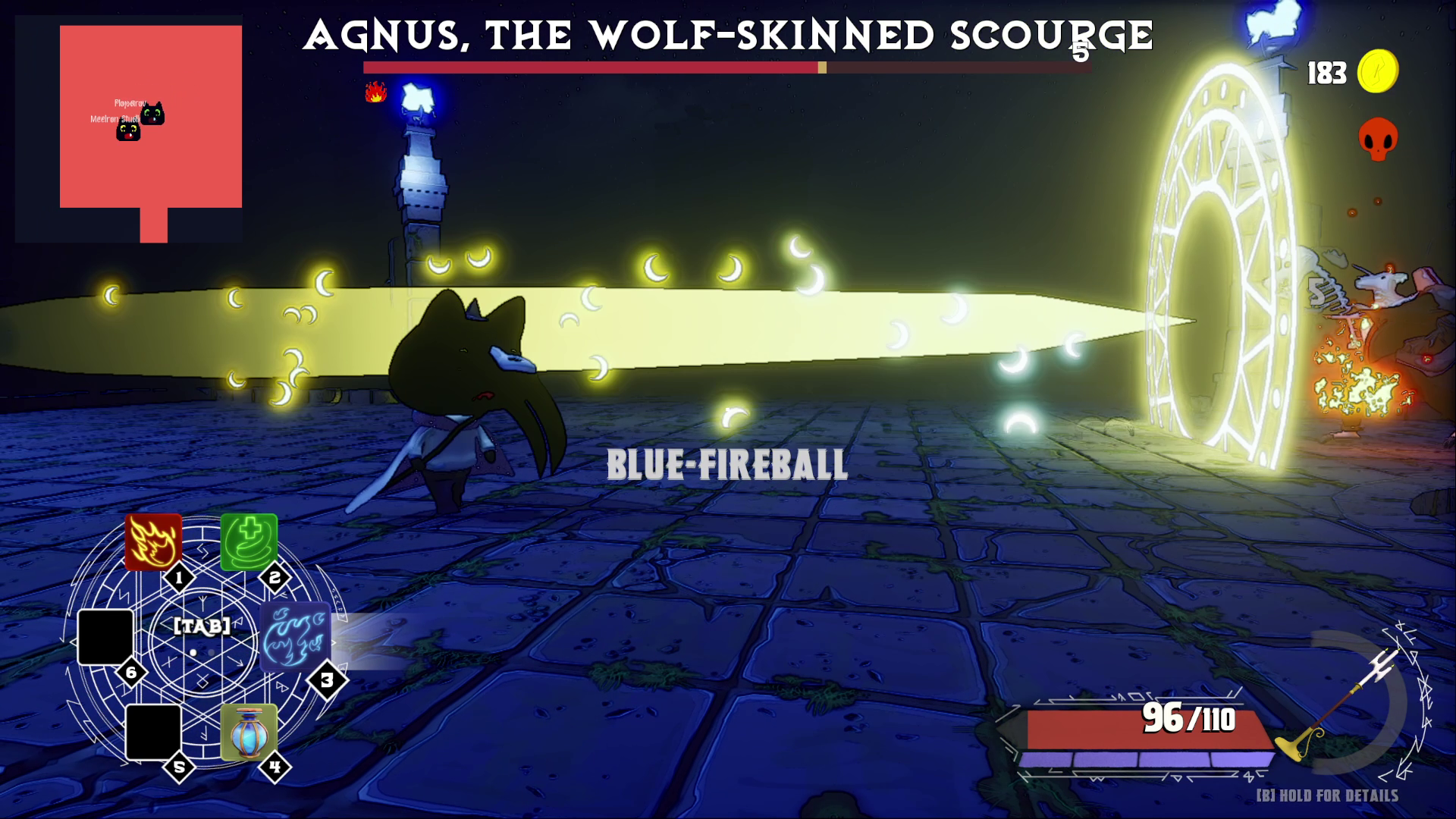
We want everyone to enjoy the different spells and items they find in each run, share what they find, and support one another along the way.
6. What has surprised you most about players trying the demo, and what will you change before launch?
One thing we learned from the demo is that when players enjoy talking and playing with friends, they can usually play for around 40–60 minutes before their throats begin to feel a little sore. When playing alone, they can generally play for longer.
We’ve fixed nearly all of the main issues reported to us and have already updated the demo with those fixes. For the full release, our main focus is on adding more new content.
7. What’s one aspect of the game the trailers can’t really communicate until someone plays?
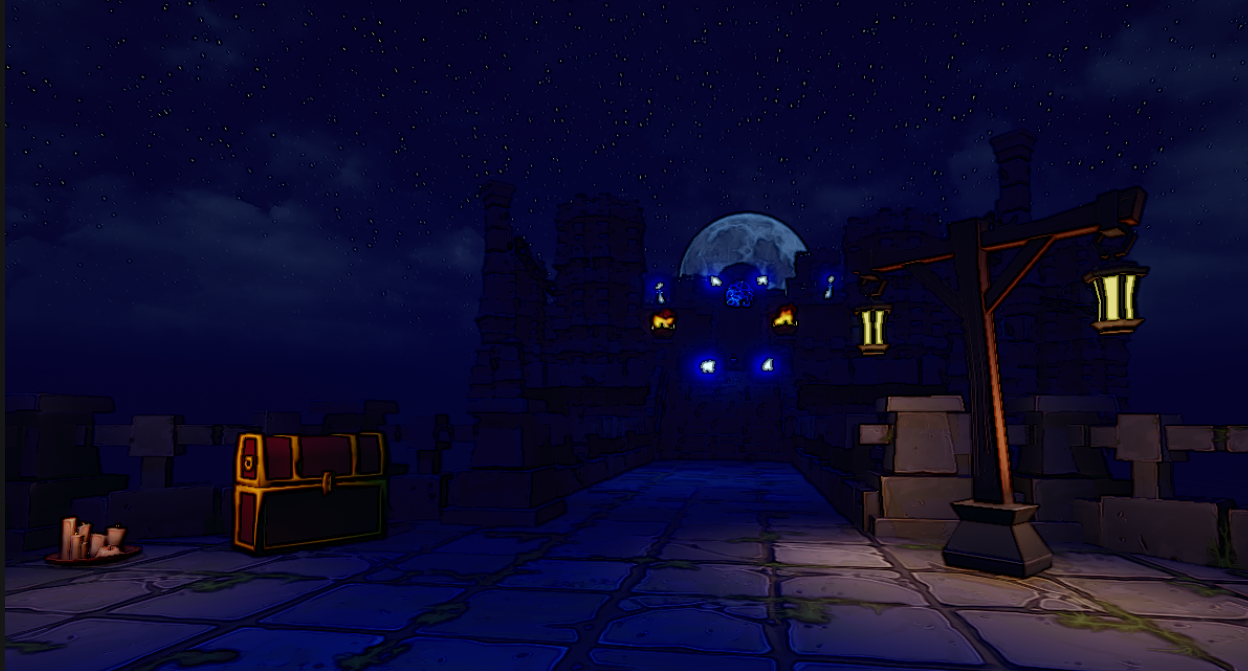
The fun of playing with friends. We’re Thai and English isn’t our first language, so it’s difficult for us to fully capture and convey the fun of talking, cooperating, and planning together in a trailer. It’s something we hope players can experience for themselves.
A microphone is both a controller and a design challenge
The most revealing technical detail in these answers is not a more sophisticated speech-recognition promise. It’s a simpler decision: the developers separated saying a spell from releasing it. That gives the player more control over timing after the game recognises an incantation. The team also acknowledges that microphones and accents can produce different results, rather than claiming a universal fix.
There is a similarly refreshing lack of bravado about multiplayer. The developers want friends to share their builds and enjoy talking through a run, even if that means a game played entirely by speaking can eventually leave your throat a little tired. The team’s demo feedback points towards more content for the full game, but no release date is being claimed here.
Try the free demo
Caster Crew on Steam currently has a free demo for Windows PC. Ploparov describes it as a pre-release action roguelike for one to four players, supporting English voice commands. The developer’s own playtest reports and technical experience are presented here as their account, not as independently verified performance claims.
Our thanks to Ploparov and the three-person Caster Crew team for taking the time to explain the technical, social and downright vocal challenges of building a game around spoken magic.
Editorial note: Seven written answers supplied by Ploparov on 6 November 2026 are reproduced above in the developer’s original wording, formatted into paragraphs. The studio expressly authorised publication of four original screenshots with credit; we use one as the featured image and three in the article. The original submission disclosed AI assistance with writing its English-language pitch; this does not, by itself, establish AI use in the game’s artwork. This is an independently selected developer interview, not a hands-on review, and no score is awarded.