
There’s probably a good game buried somewhere inside Dominus Gladiatus. The problem is that it never really gets the chance to show itself.
The idea of building a gladiatorial school, developing fighters and sending them into the Colosseum should be a compelling one. There’s room here for genuine excitement: the anticipation before a fight, the decisions that shape a gladiator’s future and that wonderful moment when a gamble finally pays off.
Unfortunately, I reached a point where I simply couldn’t tolerate any more of it. Not because it was impossible, and not because the premise was terrible. I was bored. Really bored.
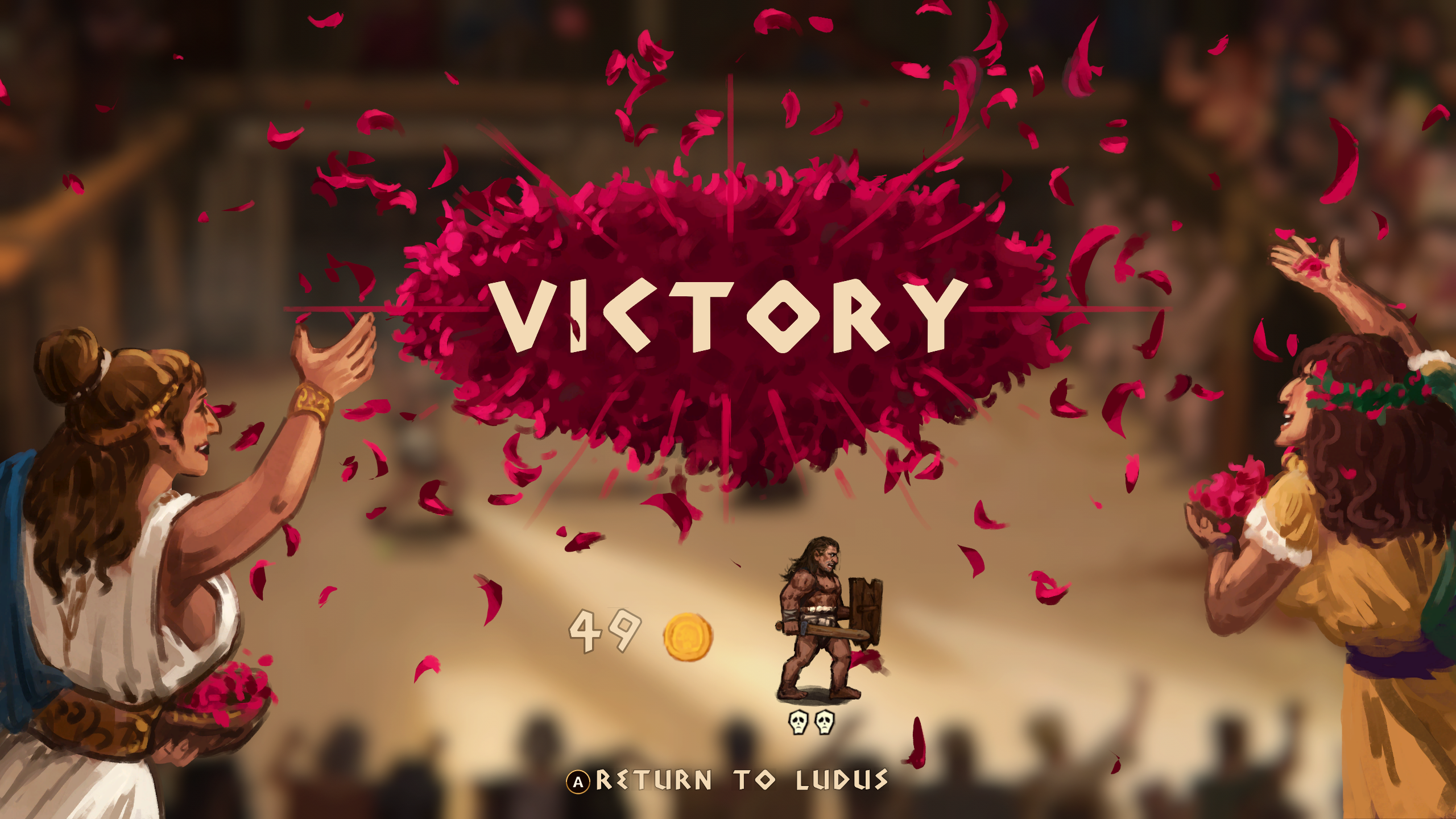
Progress at a crawl
There is nothing inherently wrong with slow-paced management games. Give me meaningful decisions, a satisfying sense of progress and an interesting system to learn, and I’m quite happy to take my time. But the quiet stretches need to be leading somewhere.
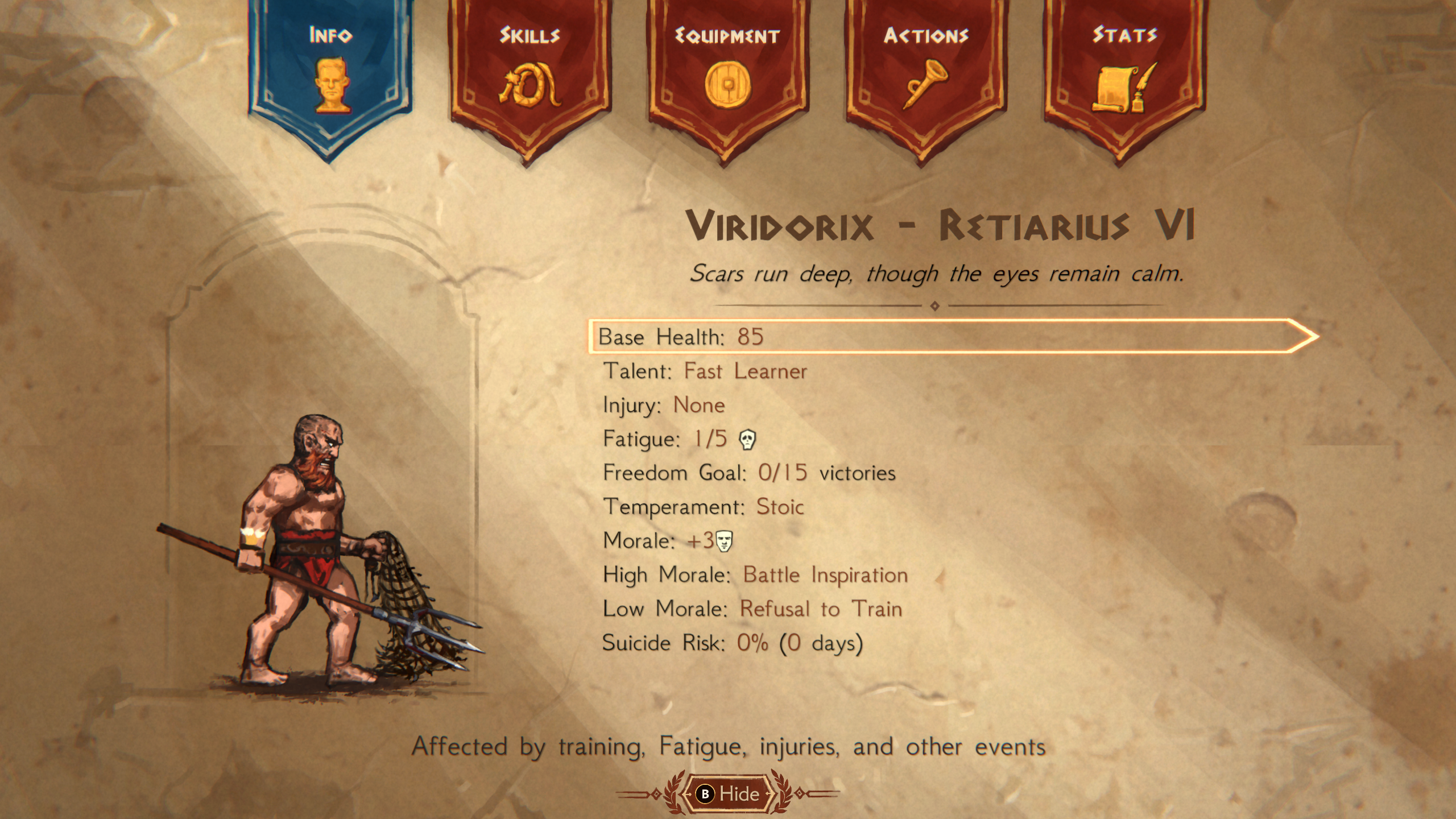
Here, they rarely felt as though they were. Training and preparing gladiators ought to make me invested in their progress, yet much of the experience felt like waiting for the next thing to happen, only to discover that the next thing wasn’t particularly involving either.
It’s a shame, because I can see why someone might be attracted to this particular blend of management and ancient Roman spectacle. The ingredients are there. The pacing simply doesn’t make the most of them.
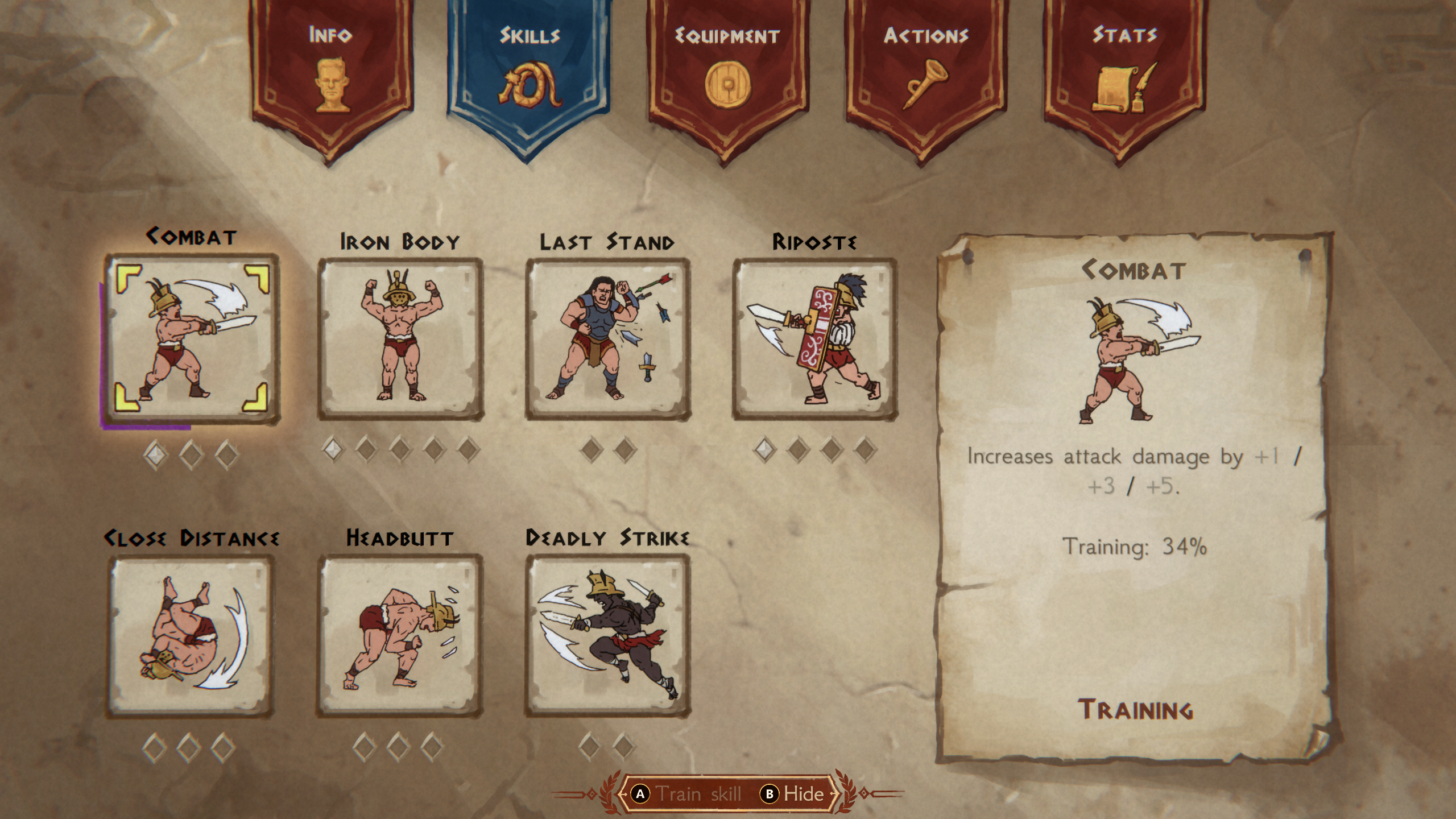
Are you not entertained?
The Colosseum should be where all that preparation pays off. The stakes should feel higher, the anticipation should kick in and the result ought to make the hours of management feel worthwhile.
Instead, I found myself wishing I could actually control my gladiator during those interactions.
To be clear, this is a management experience with automated combat, not an action game that has forgotten to include controls. I understand the design choice. But when so much of the surrounding game already feels passive, watching another encounter unfold without meaningful input becomes a difficult sell.
Even a limited opportunity to influence tactics or respond to what was happening would have helped me feel more involved. As it stands, I was left watching the very moments that ought to have been the most exciting.
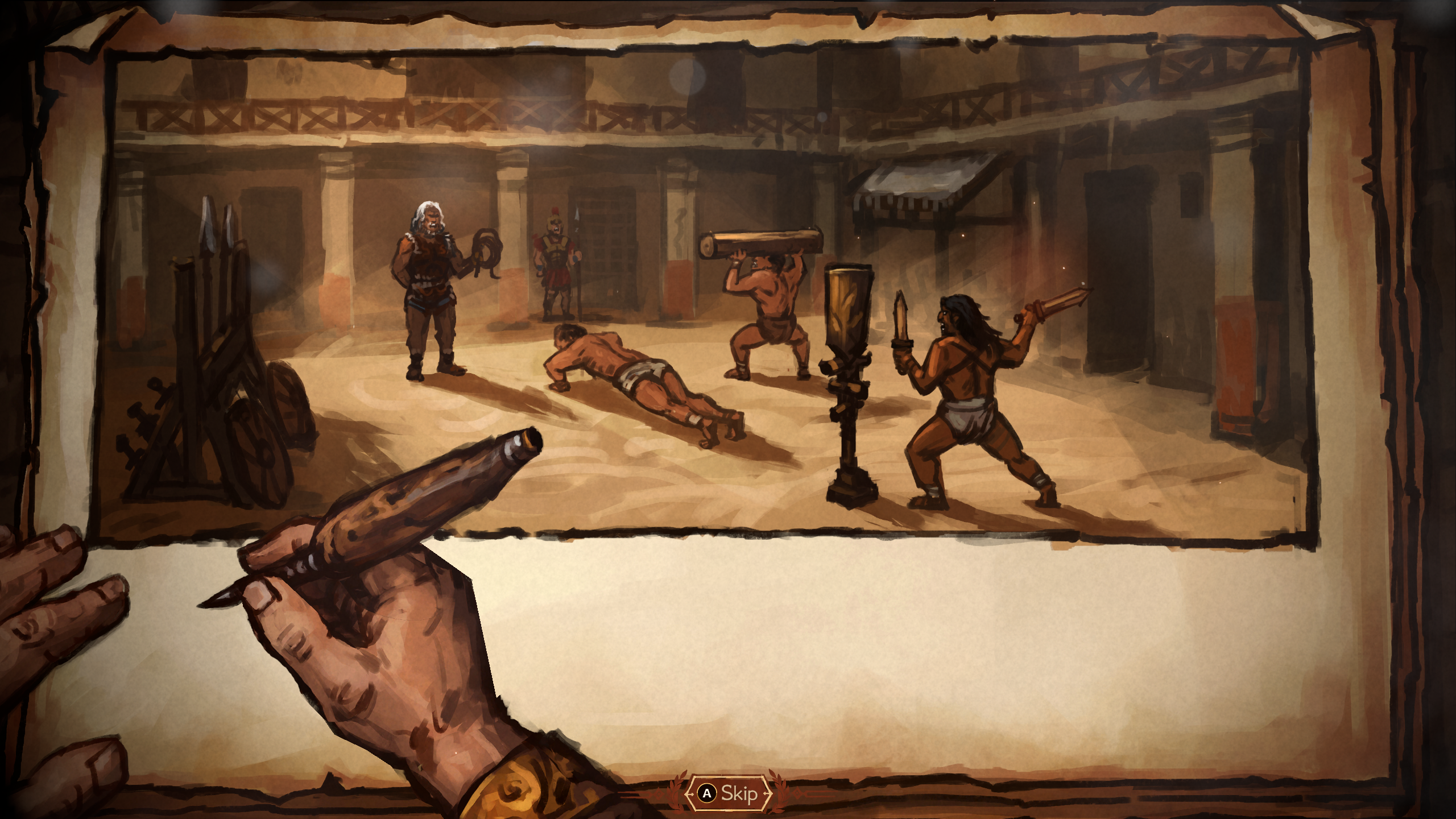
There is a good game in here. Somewhere.
I don’t want to be unnecessarily harsh. Dominus Gladiatus isn’t completely terrible, and its central idea deserves some credit. I can imagine an engrossing version of this game, one where the management feels consequential and the arena provides a genuine payoff.
For the right player, particularly someone who actively enjoys methodical progression and watching the outcome of their preparation, there may be more enjoyment to be found here than I managed.
But I can only review the experience I actually had. I wanted to feel invested in my fighters, to look forward to the next encounter and to have a reason to keep building. Instead, I found myself increasingly conscious of the time I was spending waiting for the game to become interesting.
The CSPress verdict
Potential without the payoff. A promising concept and an appealing setting are held back by painfully slow progression and arena encounters that never made me feel sufficiently involved. There is probably a better game hiding under the surface, but I simply couldn’t bring myself to keep digging for it.
Reviewed on PC using original CSPress gameplay captures. This verdict reflects the time played, not completion of every available activity.