
We’ve found our favourite controller. There’s just one problem: we’re now on our fourth Xbox Elite Series 2 in two years. How long should a premium controller last, and can something else finally replace those four rear paddles?
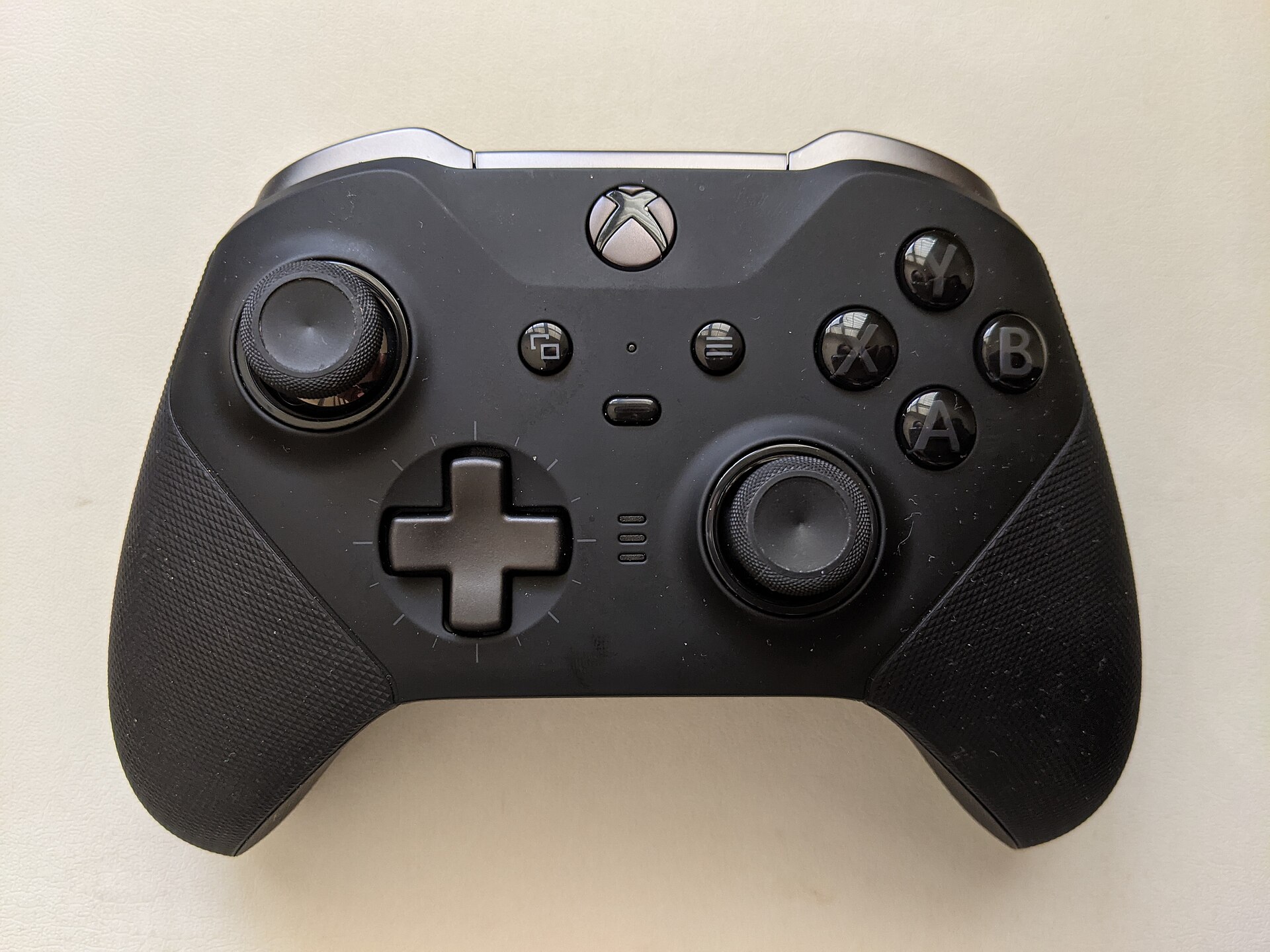
There’s a particular kind of frustration that comes from a product you love using but no longer trust to last. For us, that product is Microsoft’s Xbox Elite Wireless Controller Series 2.
The shape is familiar, the adjustable controls feel natural and, above everything else, the four rear paddles have become second nature. Being able to jump, reload, dodge or interact without taking a thumb off a stick isn’t a minor convenience once it becomes part of the way you play. Going back to a standard gamepad suddenly means relearning movements you’ve stopped thinking about.
But comfort and muscle memory are only half the ownership experience. Over the last two years, we’ve gone through repeated physical deterioration of Elite Series 2 controllers. We’re now using our fourth unit. That’s the experience driving this new Coloured Static Press investigation.
A premium price should buy more than premium controls
At the time of writing, the UK Microsoft Store lists the complete Elite Series 2 at £149.99 on promotion, down from £169.99. That’s a significant investment in a controller. It is absolutely reasonable to expect lasting value alongside the extra features. The problem with any premium peripheral is that even a brilliant design starts to feel less brilliant when its useful life is shorter than the owner expects.
Our four-controller history doesn’t prove a design flaw across Microsoft’s entire product range, nor does it tell us what percentage of Elite controllers fail. It does tell us that our search for a replacement is overdue. We’ve had enough of finding our way back to the same comfortable setup only to face another deteriorating controller.
What would genuinely replace the Elite?
This isn’t a quest for the highest polling-rate number, the brightest RGB lighting or the biggest box of interchangeable thumbsticks. We want a controller that feels natural after years of using the Elite and holds together through regular PC and Xbox gaming. Four easily reached rear inputs are strongly preferred; two back buttons plus two extra shoulder buttons may be useful, but they aren’t quite the same layout.
- Rear controls: Four practical, independently mappable paddles or buttons, easy to activate without disturbing grip.
- Build quality: How grips, shells, bumpers, triggers, thumbsticks and rear controls stand up to everyday handling.
- Long-session comfort: Grip shape, weight, fatigue and accidental paddle presses across different game genres.
- Repairability: Replaceable parts, service routes, spare parts availability and the reality of warranty support.
- Actual value: Buying cost, accessories included and, most importantly, how long the controller remains useful.
The alternatives we’re approaching
These models are a research and review shortlist, not winners, recommendations based on hands-on testing, or a durability ranking. Manufacturer specifications alone cannot tell us whether a controller will last longer than the Elite.
Razer Wolverine V4 Pro
Four removable magnetic rear buttons and two extra bumpers. The removable-button design is particularly interesting for how we grip a controller, but we want to test comfort and wear rather than assume it solves anything.
SCUF Valor Pro Wireless
Four rear paddles and TMR sticks in a familiar Xbox configuration. On paper, one of the closest matches for players already accustomed to the Elite’s finger placement.
ASUS ROG Raikiri II Xbox Wireless
Four programmable rear buttons, TMR joysticks and micro-switch controls. Of particular interest for its Xbox and PC connectivity and its stated switch-life ratings, which still need a real-world examination.
Victrix Pro BFG Reloaded
A modular premium controller with four remappable quick-action buttons. The option to replace or rearrange modules makes serviceability and ownership costs part of the story.
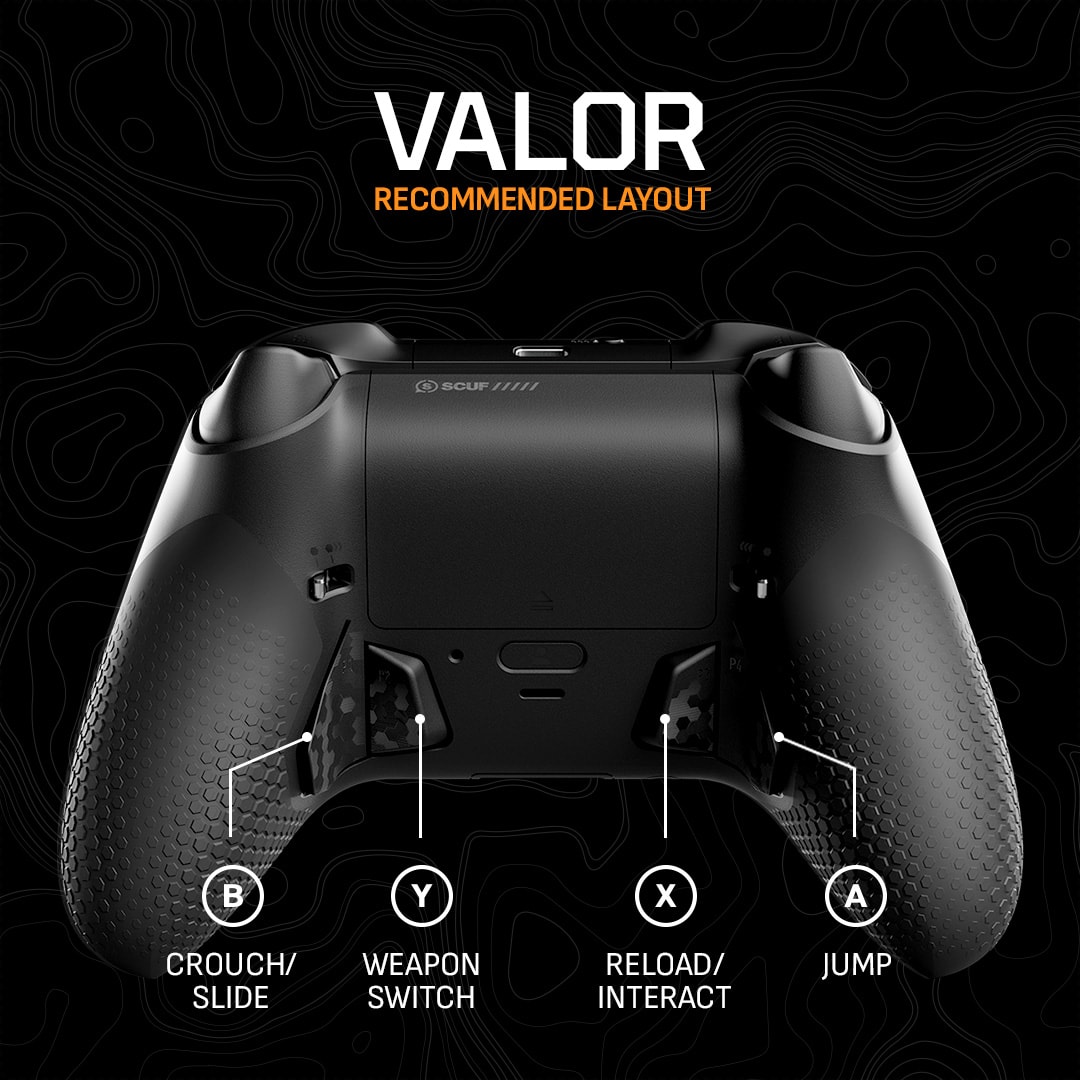
We’ll also consider the 8BitDo Ultimate 3E, GameSir G7 Pro, Nacon and PowerA options as potential value challengers. Not every device has four rear paddles: the 8BitDo and GameSir designs offer two rear buttons plus additional shoulder controls, a distinction we intend to show clearly rather than fudge in a spec chart.
How the CSP Hardware Lab will test them
A quick unboxing and a weekend of shooter matches would tell us very little about the thing we actually care about. We’ll examine each available review unit in stages, subject to review access and loan terms.
Our testing protocol
Day one: Setup on Windows 11 and Xbox where officially supported, mapping all rear inputs, documenting ergonomics, build quality and any initial defects.
After 30 days: Extended sessions across competitive shooters, action RPGs and other relevant games. We’ll look at trigger and button consistency, grip security, firmware/software, reconnection issues and whether the rear controls remain natural to use.
After 90 days where available: Repeat the physical inspection, photograph any wear, retest input consistency, examine warranty and repair provisions and compare the ownership proposition with the Elite.
Review policy: We’ll disclose loans or supplied samples, won’t accept favourable-coverage conditions and won’t award a durability verdict based solely on a manufacturer’s marketing claim.
The story won’t end with a specification sheet
There is an obvious limitation: even 90 days of real-world use cannot prove a controller will last several years. We will distinguish short-term observations from long-term evidence, and if a product proves reliable during our test window we’ll say precisely that, not declare it indestructible. Independent updates will follow where the hardware remains available.
But we can answer something valuable much sooner: Can an Elite user pick up one of these alternatives and immediately feel at home? Do its rear inputs genuinely replace four paddles? Is there a sensible route to maintain or repair it? Does its price make sense when you consider the whole ownership experience?
That’s the question driving Beyond the Elite, a new Coloured Static Press Hardware Lab investigation. We’re not shopping for a new favourite brand. We’re looking for a controller that earns the right to stay on the desk.
For manufacturers and readers
We’re inviting Razer, SCUF, ASUS, Nacon, Turtle Beach/Victrix, GameSir, 8BitDo, PowerA and other relevant manufacturers to discuss independently reviewed short-term or extended test units. If you make a convincing four-rear-control alternative, we’d like to examine it. Readers with documented long-term ownership experience are welcome to get in touch too. Sample provision never guarantees coverage or a positive verdict.
CSP press & partnerships · Editorial review policy · Contact the editorial team