Behind the Signal interview. Answers supplied in writing by Ryan Panda, aka TheAgencyMGE, developer of Blind Rally. This is not a hands-on review.
What happens when a navigation game asks you to memorise a real-world route, then takes away the map? Blind Rally turns familiar streets into a test of observation and spatial memory. We spoke with its creator about the three briefing difficulties, open mapping technology, the differences between its game modes and the appeal of making the experience free and open source.
Where did the idea of a fifteen-second memorisation window come from?
Fifteen seconds is the hardest tier, Insane. Rookie gets 60 seconds and Pro gets 30. I built the tiers so the memory challenge scales with how good you are, and 15 seconds is where it gets brutal: long enough to study the route, short enough that you can’t just stare at it until it’s burned in. You have to look with intent, pick out the turns that matter, and trust yourself.
How did you choose the map data and decide what information to show before the route vanishes?
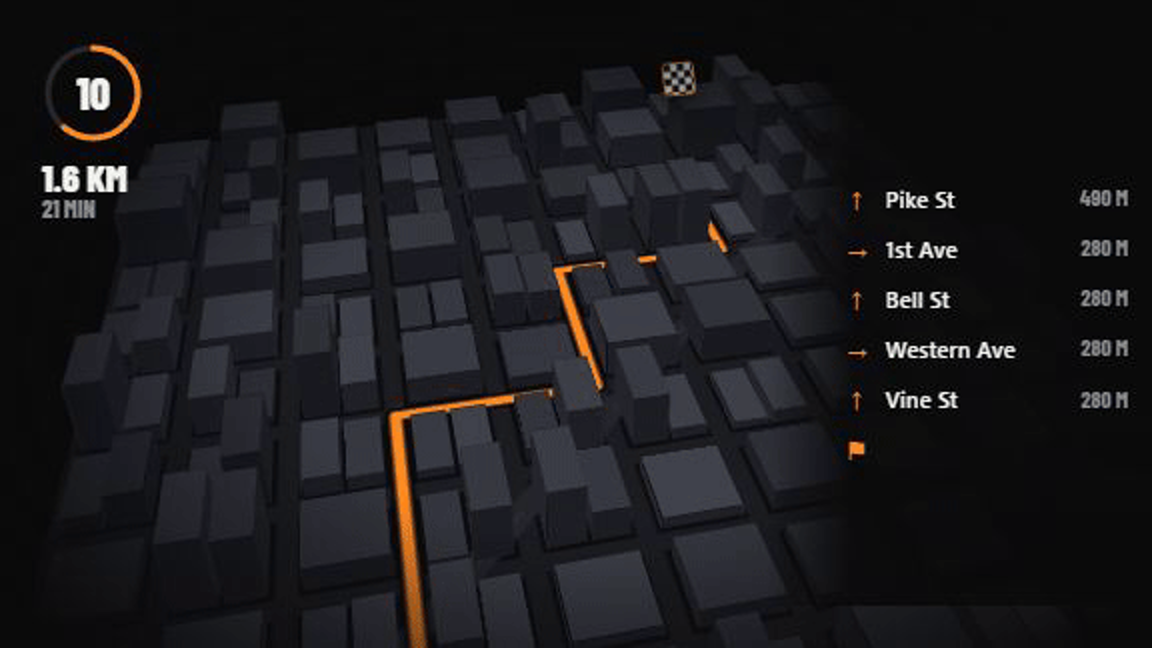
The map data is OpenStreetMap. Places come from the Overpass API, routes from OSRM, and the 3D map is MapLibre. In the briefing you see the route, the turns and the street names, but the destination is never named, not in the directions and not on the map labels. I show just enough to build a mental picture and nothing that gives the destination away.
Which real-world landmarks have proved surprisingly easy or difficult for players to remember?
The game is still in an early phase, but I did test an earlier version, and the pattern was already clear. Big iconic places like the Space Needle are easy, people lock onto them instantly. The hard ones are the weak landmarks, places like the waterfront in a small city, where there’s nothing distinctive to anchor on and every stretch looks the same.
How did you design the different city, landmark and random modes to test distinct skills?
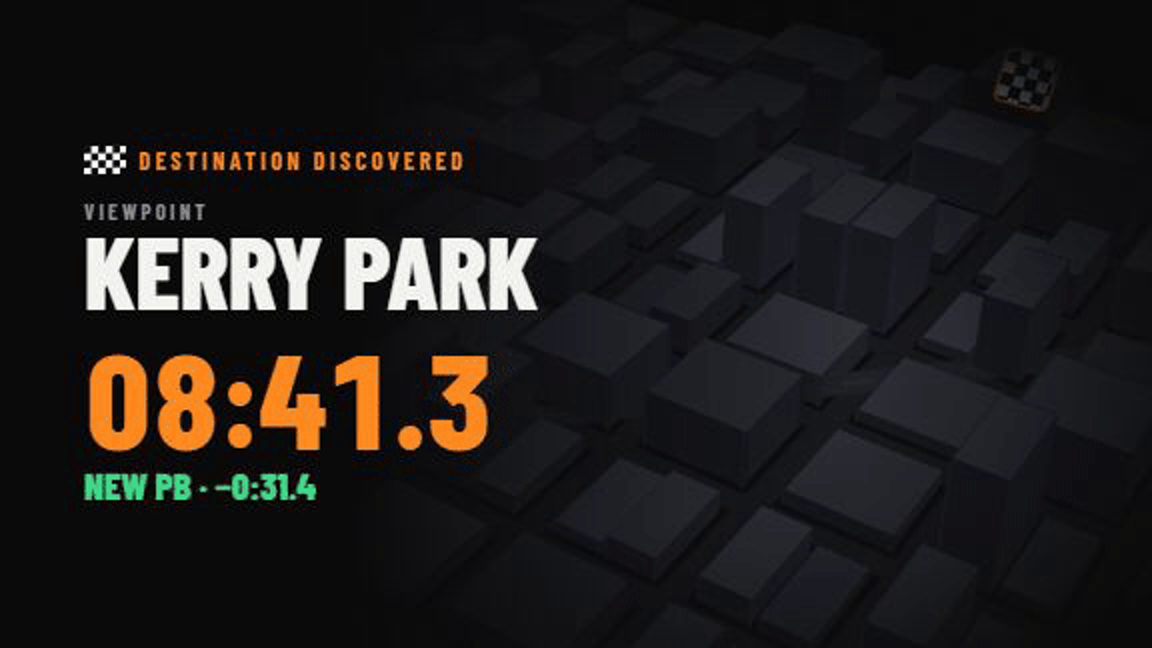
Landmark mode is the classic rally: memorize a route to a real public place, a monument, museum, pier or viewpoint. Random spot is the purest memory test, a random point with no familiar cues, just the shape of the route, and you don’t even know what’s there until you arrive. City mode flips it completely: there is no route at all, you just get a direction, a rough distance and the main roads, and you find your own way to a whole town.
What made you decide to make Blind Rally free, open source and playable without an account?
I wanted zero friction. No download, no signup, no paywall, you just open the link and play. Open source for the same reason, anyone can see how it works, remix it, or build their own version. The game is better if more people can play it and learn from it.
What’s been the most challenging part of building and testing the game, and what feedback has changed your approach?
The hardest part has been making the memory challenge fair. The game is still in an early phase, but I tested an earlier version, and the biggest feedback was that 15 seconds alone was too brutal for most players. So I added extra briefing times: 60 seconds for Rookie and 30 for Pro, with 15 left as Insane. That one change made it playable for weaker players instead of only people with great spatial memory.
If you could add one ambitious feature without technical limits, what would it be?
A head-to-head mode where two players memorize the same route and race to the destination, with live leaderboards by city. Right now your best times live only on your own phone, so racing a friend on the same route would change the game completely.
Explore the project: Blind Rally official website. Developer and image credit: Ryan Panda, aka TheAgencyMGE. The developer describes the project as early-stage.