
Reviewed by the Coloured Static Press team / Game review / Sci-fi horror adventure
With a name like Hail to the Rainbow, we were not entirely sure what to expect. Perhaps something colourful. Maybe even cheerful. Instead, we found a frozen post-apocalyptic wasteland, abandoned buildings, deeply unfriendly robots and what appeared to be a mechanical mother with a particularly spectacular temper. So, fairly standard family entertainment, then.
Beneath the snow and threatening machinery is a fascinating first-person adventure that combines an intriguing mystery with exploration, technical puzzles, crafting, driving and moments of genuinely uncomfortable horror. We came away wanting to know what had happened to Ignat’s father. We also came away with a new appreciation for the dangers of having an accident involving a small robot.
A message from the past, and a world with very little hope left
Created by independent developer Sergey Noskov, Hail to the Rainbow takes place in a bleak, post-apocalyptic vision of Russia. The world has been devastated, survivors have adapted to a brutal new reality, and technology seems to have developed a somewhat alarming personality of its own.
At the centre of it all is Ignat, a young man accustomed to surviving alone. An unexpected message throws his existence into uncertainty and points him towards questions surrounding his family. Is his father really alive? And if so, who is trying to bring them together, and why?
Those questions gave our time in the world a real purpose. This was not simply another excursion into ruined buildings to collect anything that wasn’t nailed down. We were following a mystery, and every new location seemed to promise either another fragment of the truth or a remarkably unpleasant way to die.
The game’s official description calls it a story-driven adventure with horror and shooter elements, including electronic records and technical puzzles. That is accurate as a description of its systems. What makes those ingredients worth exploring, though, is the persistent feeling that Ignat’s story is far from straightforward.
Beautiful in the bleakest possible way
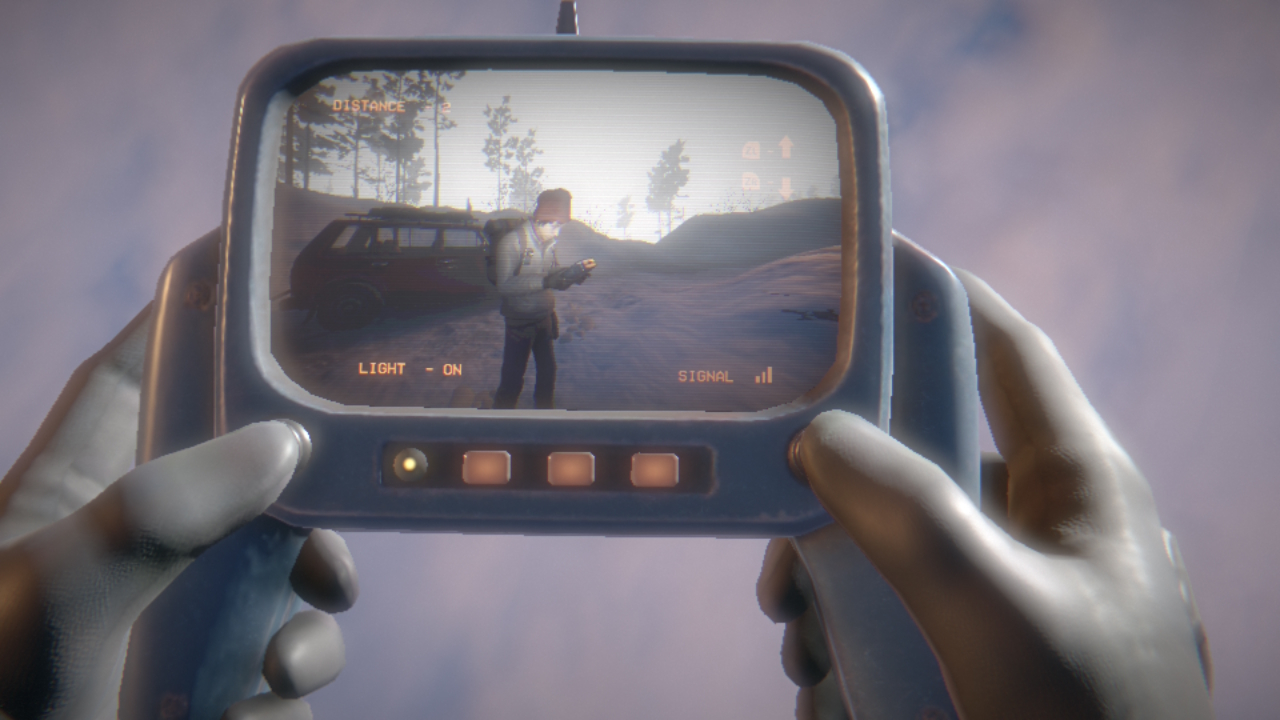
Visually, Hail to the Rainbow can be stunning. Not beautiful in the holiday-brochure sense, unless your ideal getaway involves derelict industrial structures and a strong possibility of being pursued by an angry machine. Its beauty is colder, quieter and far more haunting.
Snow stretches across desolate landscapes, enormous structures loom in the distance and soft lighting gives the scenery an almost dreamlike quality. There were moments when we simply wanted to stop and take it all in. That is quite an achievement when the surrounding world is doing everything it can to remind you that things have gone terribly wrong.
The contrast with the interiors is particularly effective. Open white landscapes give way to dark, claustrophobic rooms filled with abandoned possessions, unsettling objects and skeletal remains. These spaces tell stories without needing lengthy speeches. Whatever happened here, the occupants did not leave because they fancied a change of scenery.
This visual storytelling gives the world its weight. Even before the next plot development arrives, the environment is providing reasons to wonder about the people who once lived here and the machines that now appear to have taken an exceptionally dim view of humanity.
The world’s least relaxing driving lesson
One of our more pleasant surprises was the driving. It offers a welcome change of pace from on-foot exploration, but there is more to it than simply sitting in a vehicle and pointing it towards the next objective.
With a voice offering guidance, the experience occasionally felt rather like a driving lesson conducted at the end of civilisation. Keeping the car in first gear while negotiating thick snow was particularly important. Apparently, even after the apocalypse, somebody still expects us to understand the correct gear for the road conditions.
We genuinely enjoyed that sense of involvement. Driving became part of the journey rather than merely a way of skipping the scenery. Discovering a cassette tape and being able to play it in the car was another lovely touch, a small moment of normality in a world that has precious little of it.
It was not entirely smooth travelling. During one section, the car refused to move farther despite the terrain looking accessible. Whether this was down to the route, the conditions or our interpretation of what the game wanted, the limit was not communicated clearly enough. We were left wondering whether the car had developed mechanical problems or simply lost confidence in our driving.
Sometimes the puzzle is finding the puzzle
The puzzles themselves were generally intuitive. Once we understood what needed doing and had located the necessary items, the logic tended to fall into place. Unfortunately, finding those items could become an exercise in patience rather than deduction.
Rooms are littered with objects, many of which look perfectly plausible as things we might be able to use. Yet only a relatively small number are interactive. Unless the crosshair is directly over the right spot, there is often little sign that an item is important. As a result, we sometimes spent longer searching for the thing that would let us solve a puzzle than actually solving it.
There is a meaningful difference between asking players to observe their surroundings and asking them to conduct a comprehensive pixel-by-pixel inspection of every abandoned kitchen cupboard in post-apocalyptic Russia. We enjoy a challenge. We are less enthusiastic about negotiating with a tiny interaction prompt that refuses to reveal itself.
Clearer feedback would help without undermining the exploration. The sense of discovery is one of the game’s strengths, but it should not have to compete with frustration over whether a perfectly ordinary object is usable.
A workbench that wants you to do some actual work
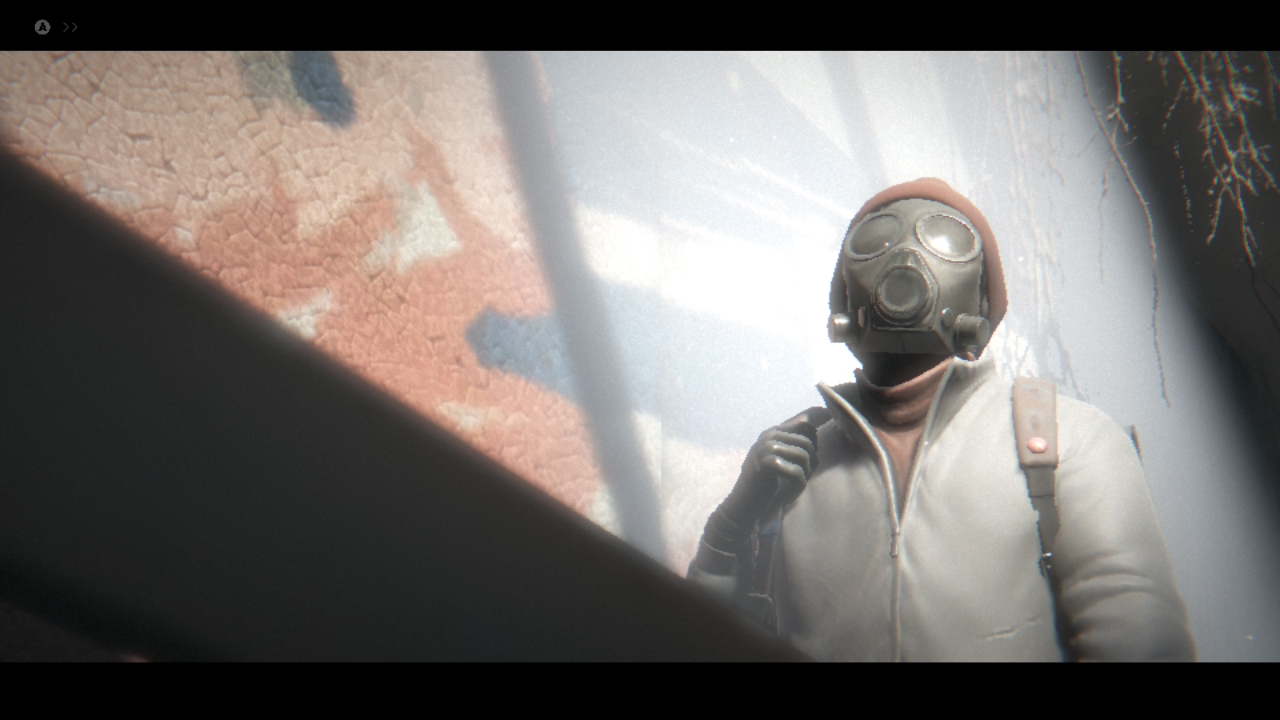
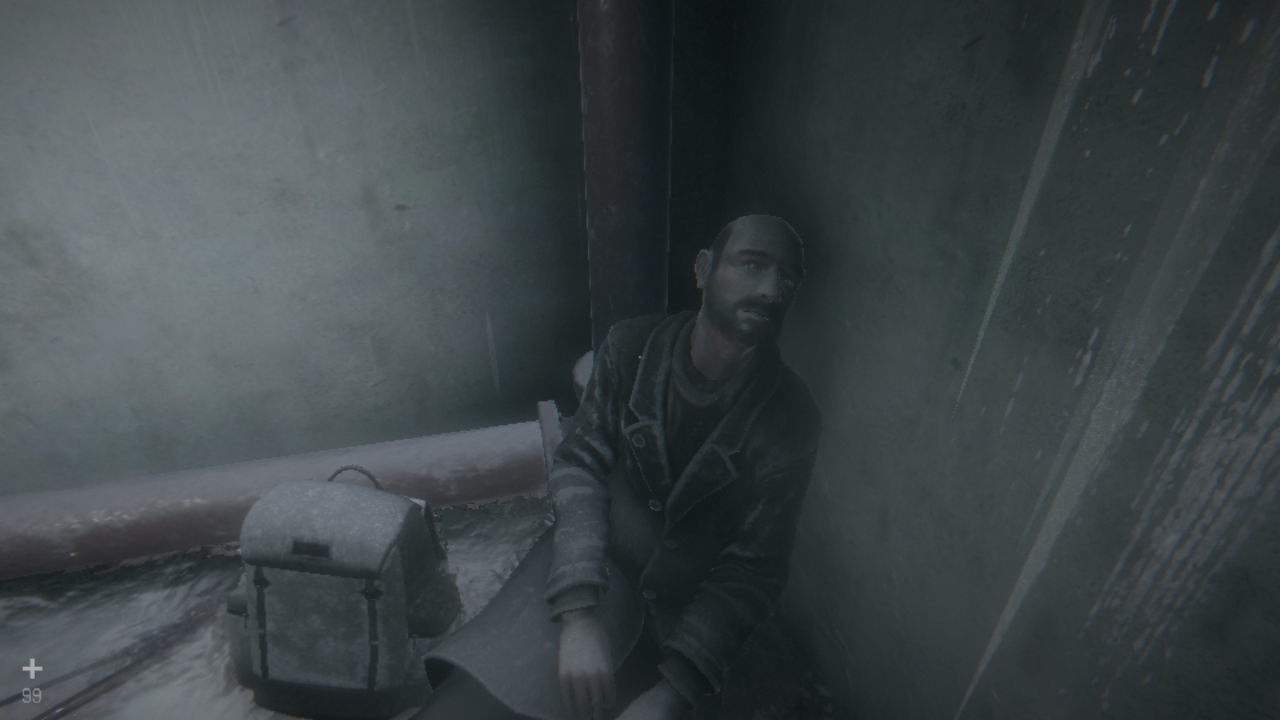
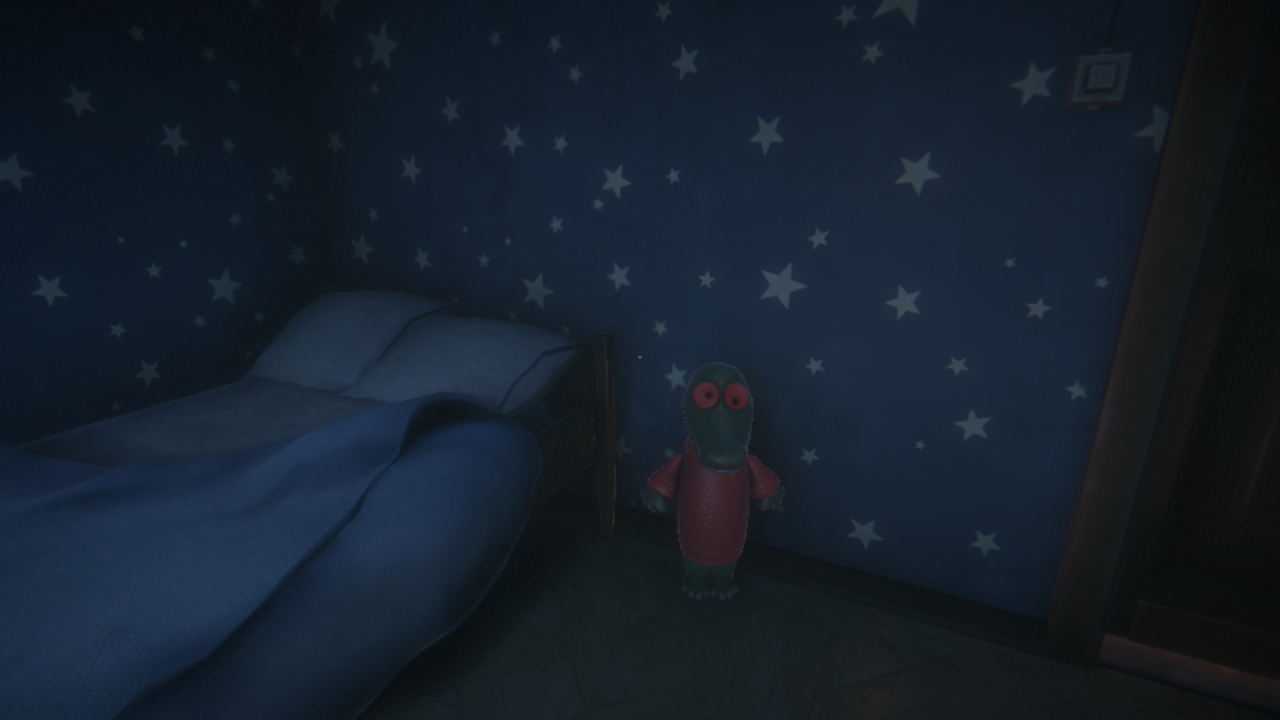
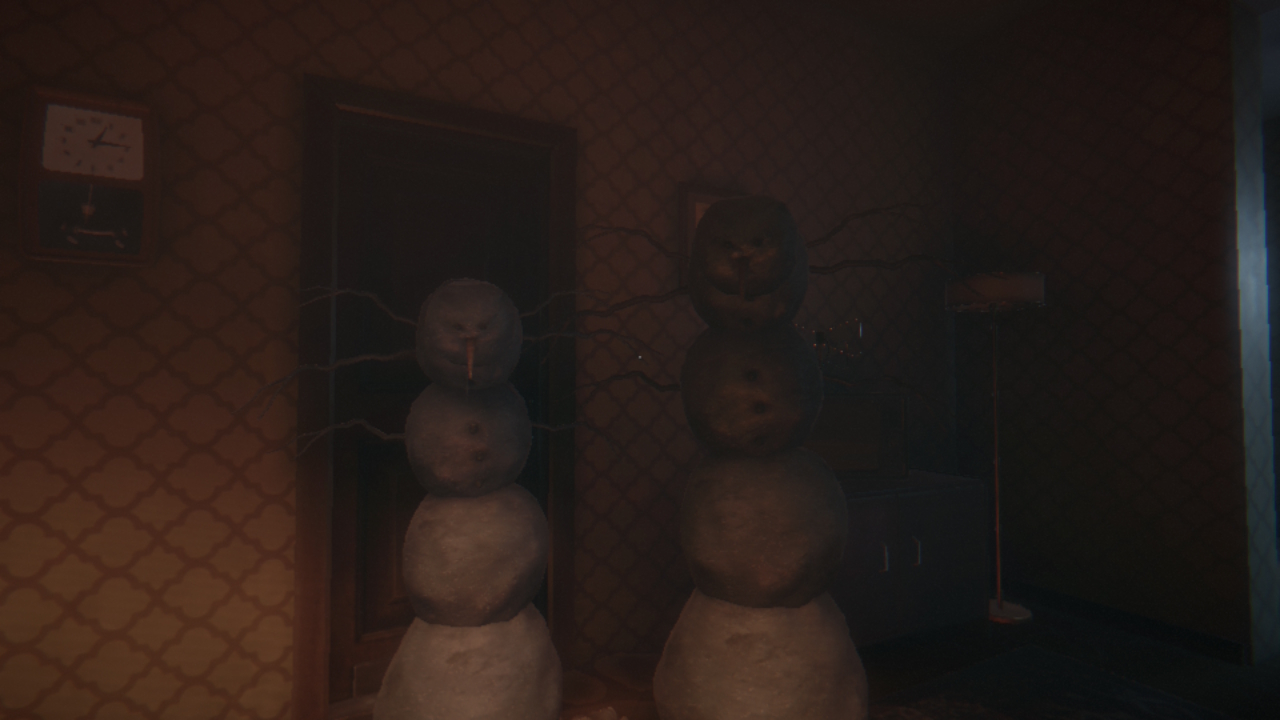
One mechanic that really grew on us was the workbench. Rather than choosing a recipe and having the equipment magically assemble itself, you interact with individual components to put things together.
We needed a little time to understand exactly what was expected, and it could benefit from a clearer introduction. Once the system clicked, however, we appreciated the effort behind it. Physically assembling an object feels more appropriate to this world than ordering Ignat to produce one from a menu and watching it materialise out of thin air.
It is the kind of small detail that makes the act of surviving feel more believable. The mechanics may not be immediately obvious, but there is satisfaction in working through them and creating something useful with your own involvement.
Three red-eyed robots, one wrench, and a trip that wasn’t to Narnia
Combat can get uncomfortable very quickly, particularly when you have only a wrench and the opposition consists of three little robots with glowing red eyes. Add a cramped room and holes in the floor, and you have what we would politely describe as a deeply unfavourable risk assessment.
Keeping the machines at bay while trying not to fall into the gaps was enough of a challenge. Naturally, in the interests of thorough games journalism, we decided to test whether one of those holes might lead to Narnia.
It did not.
We can therefore confirm that there is no conveniently magical exit from this particular fight. Disappointing for literature, perhaps, but entirely consistent with a world that has shown very little interest in making our lives easier.
The encounter illustrated what works about the combat. You do not feel invincible, and a handful of relatively small opponents can become a serious threat when the environment turns against you. It is scrappy and tense, which suits the atmosphere far better than effortless heroics would.
Do not hit the small robot. Its mother might be watching.
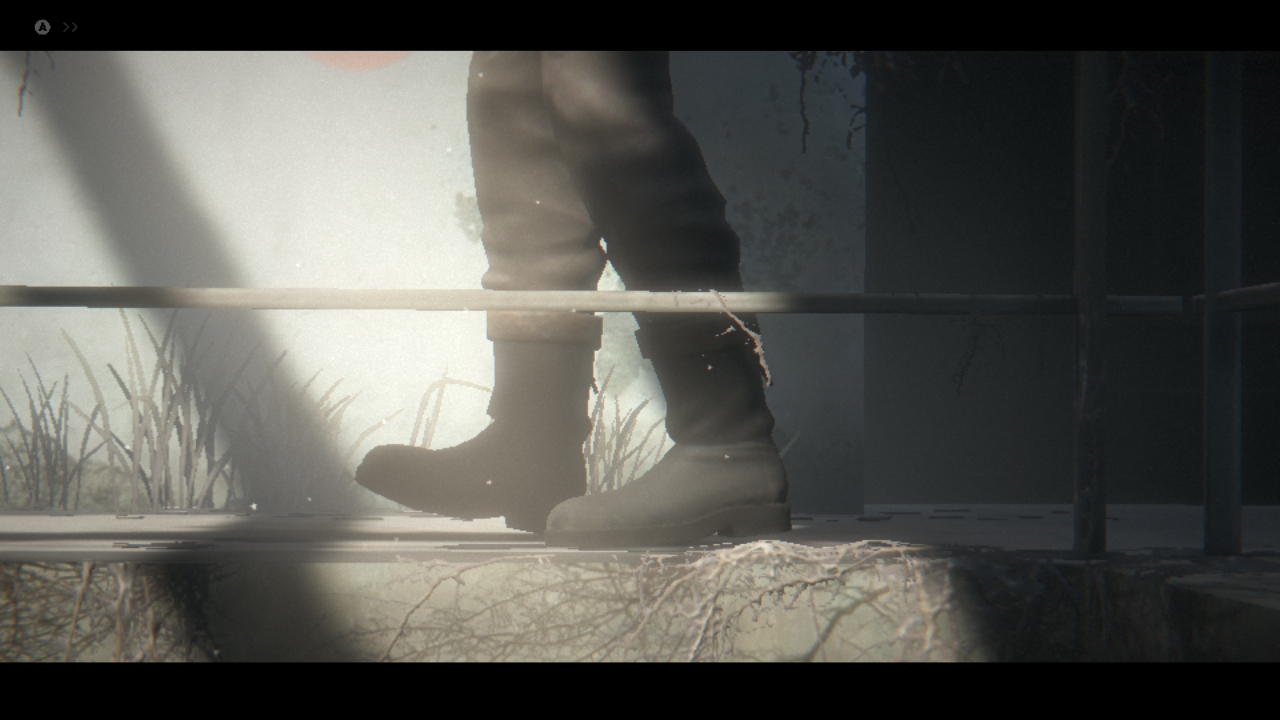
Then came one of our most memorable moments. Following an unfortunate collision between our car and what looked like a smaller robot, we were suddenly being hunted by a much larger, considerably angrier one.
We cannot confirm the exact family relationship between these machines, but the situation had all the energy of somebody discovering we had just reversed into their child. We would have offered to exchange insurance details, but the other party seemed more interested in pursuing the matter with extreme prejudice.
Even the bunker, previously regarded as somewhere relatively safe, began to feel less reassuring. There is something deeply unsettling about suspecting that a mechanical menace knows where you live. It is an excellent example of how the game creates horror through anticipation and atmosphere, rather than relying on constant jump scares.
It was equal parts absurd and genuinely nerve-racking. We laughed at the circumstances. We were considerably less amused when the much larger machine appeared to still have an outstanding complaint to resolve.
Eerie music, strange voices and a cassette for the road
The sound design is another important part of the game’s identity. Its menu music has an eerie, distorted twang, with notes that seem to bend slightly out of pitch. It is an effective way to establish that something is not quite right before we even set foot in the snow.
Music was relatively sparse during our time outside cutscenes, and we liked that restraint. The silence lets the isolation breathe, while environmental sound and occasional music make the world feel all the more uneasy. The official soundtrack is credited to Nobody’s Nail Machine, and its character suits the setting beautifully.
We also encountered voice work during dream sequences and from a mysterious presence accompanying Ignat. We wondered whether that voice was connected with his neural implant, although our time with the story had not yet confirmed the connection. That uncertainty became another small piece of the larger mystery.
And then there was the cassette tape in the car. For a game so determined to make the world feel lonely, the chance to put on some music during a drive provided an unexpectedly human moment. A brief break from the existential dread, assuming the local robots were not planning another roadside incident.
The mystery is doing its job, even when the mechanics occasionally don’t
Not everything is as polished as the scenery and atmosphere. Item interaction can be tedious, some systems need clearer explanations, and there were occasions when the game left us unsure whether we were heading the right way or simply missing an obvious-looking object by a fraction of an inch.
But those annoyances were not enough to make us lose interest. We still wanted to know what happened to Ignat’s father. We still wanted to understand the dreams, the messages and the strange world that survived the catastrophe. Perhaps most importantly, we wanted to return, despite having already made ourselves unpopular with several members of the mechanical community.
We had not uncovered the entire story when these impressions were written, and we are not going to pretend otherwise. This is a verdict based on the adventure we actually experienced, not a claim that every puzzle has been solved or every secret revealed. The outstanding questions are a substantial part of why we are keen to continue.
The CSPress verdict
Hail to the Rainbow is an intriguing and atmospheric adventure that blends science fiction, survival, horror and mystery into something memorable. Its beautiful snow-covered landscapes, oppressive interiors and compelling central questions make exploration a pleasure, even when the world is trying rather hard to make us uncomfortable.
We especially enjoyed the involved driving, the hands-on workbench and the unexpected little encounters that give the game personality. The audio is effective, the environmental detail is excellent, and the story kept us invested.
Clearer interaction cues and more considered explanations for certain mechanics would improve the experience considerably. A puzzle should test your understanding, not how accurately you can hover over a discarded object. Yet despite those frustrations, there is a great deal here that deserves attention.
82/100. A beautiful, unsettling trip into a frozen future, with a few rough edges and plenty of reasons to return. Next time, we intend to drive carefully and avoid upsetting anyone’s mechanical relatives.
Review context: The review and 82/100 verdict are drawn from original Coloured Static Press play notes. The full story had not been completed at the time of assessment. Release details, soundtrack credit and genre information were checked against the official Steam listing. The developer also discloses on Steam that some game voices and images were AI-generated. This is an official disclosure rather than an additional gameplay observation.