
OPINION AND INDUSTRY NEWS · 17 NOVEMBER 2026 / COLOURED STATIC PRESS
The closing of a studio that defined entire generations of role-playing games has now reached Westminster. The motion matters, but it is not yet government action.
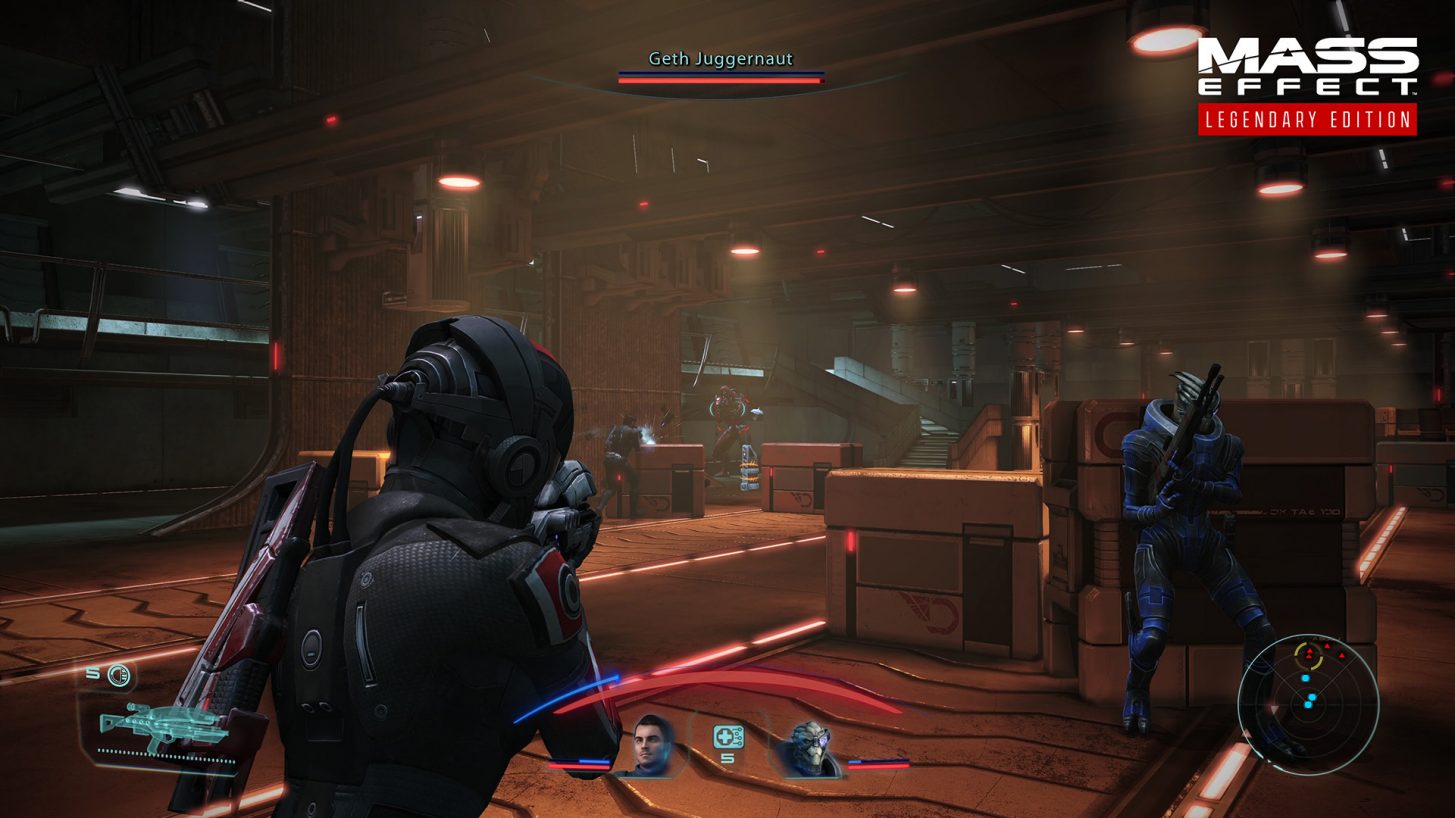
There is a sentence I still don’t particularly enjoy writing: BioWare has closed. I spent years inside its stories. Knights of the Old Republic gave me the illusion that my decisions could change a galaxy; Mass Effect made me care about a fictional crew in a way few games have managed since. When Electronic Arts confirmed the closure on 21 October, it was not merely another corporate restructuring to me.
Now a new Early Day Motion in the UK Parliament has brought BioWare into a wider argument about game development, employment and the fragility of independent studios. Titled Independent games studios and creative jobs, the motion references the studio’s closure, the end of work on the next Mass Effect and a reported wider set of redundancies. It asks the Government to do more for the British games sector.
What Westminster is being asked to consider
The motion calls for stronger support through the UK Games Fund and the Video Games Expenditure Credit, improved access to finance that lets creators retain their intellectual property, and closer work with industry and trade unions when employees face redundancy. It links BioWare’s closure to a broader pattern of global studio cuts and consolidation.
That wording is consequential, but the mechanism matters. An Early Day Motion records a parliamentary proposal and allows MPs to signal support. It does not pass a law, allocate a budget or oblige ministers to act. It would be rather convenient if difficult industry problems could be solved by writing them down on House of Commons stationery. Sadly, that is not how the process works.

The ownership problem
The most thought-provoking part of the proposal is its reference to creators keeping ownership of their work. Investment is necessary. Publishing support can be transformative. But a studio that loses control of its own intellectual property may also lose much of the ability to decide what its future looks like.
It isn’t possible to pretend every small developer can or should self-publish. Risks, distribution, financing and expertise all exist for a reason. Yet an industry that consistently values intellectual property more visibly than the people who created it is asking for trouble. The human talent remains the irreplaceable part, however difficult it is to put on a quarterly chart.
What support would actually look like
Tax relief can improve a project’s financial viability, and public investment can help teams bridge the gap between a promising prototype and a sustainable studio. Neither automatically creates long-term employment. Policy has to consider the entire cycle: starting a studio, paying a team through production, retaining access to investment, bringing a game to market and surviving long enough to make a second one.
Workers matter just as much as the companies employing them. The motion explicitly mentions redundancy support and cooperation with trade unions. That belongs in the conversation, not as a gloomy footnote after the exciting announcement of somebody else’s new restructuring strategy.
Why this is personal for CSPress
Our publication spends a great deal of time talking directly to smaller developers. Behind the Signal exists because the names on a studio logo do not tell you who had the idea, who sacrificed weekends to finish it, or who is left dealing with the consequences when commercial decisions go wrong.
We have already written our personal farewell to BioWare and examined the human cost of making games. This parliamentary development gives those stories a new, specifically British context.
The motion is not a rescue plan for BioWare. Nor is it evidence that the Government has agreed to the proposals. It is, however, a rare acknowledgement that games are not only products in a release calendar. They are creative work made by people whose livelihoods and ideas deserve a future beyond the next spreadsheet. That is a conversation worth keeping in the light.
Sources and further reading
UK Parliament: Independent games studios and creative jobs · CSPress BioWare retrospective