
COLOURED STATIC PRESS / GAME REVIEWS / PC (STEAM) / HANDS-ON REVIEW
The first two skeletons were manageable. The third was another matter. Sorcerous 2: City of Cults rewards paying attention to your party’s abilities, but its most absorbing moments come when a locked door asks you to think instead of fight.
REVIEW SCORE79/100
Welcome to the city. Mind the sharp objects.
This dark fantasy RPG combines pixel-art exploration, illustrated characters, numerical puzzles and three-person turn-based battles. Its equipment and ability systems are extensive enough to be daunting, so the question is whether their complexity pays off when the game asks you to use them.
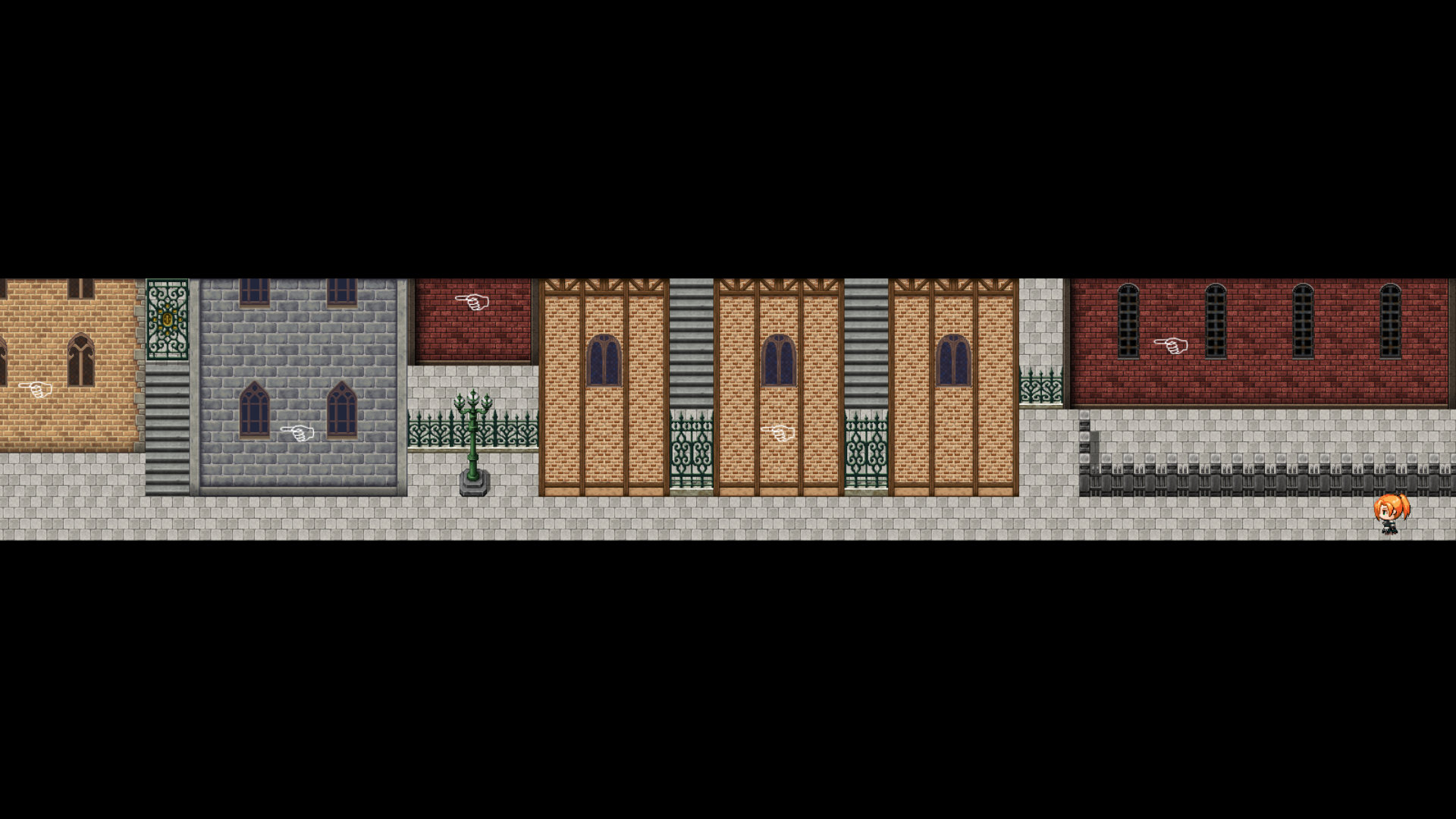
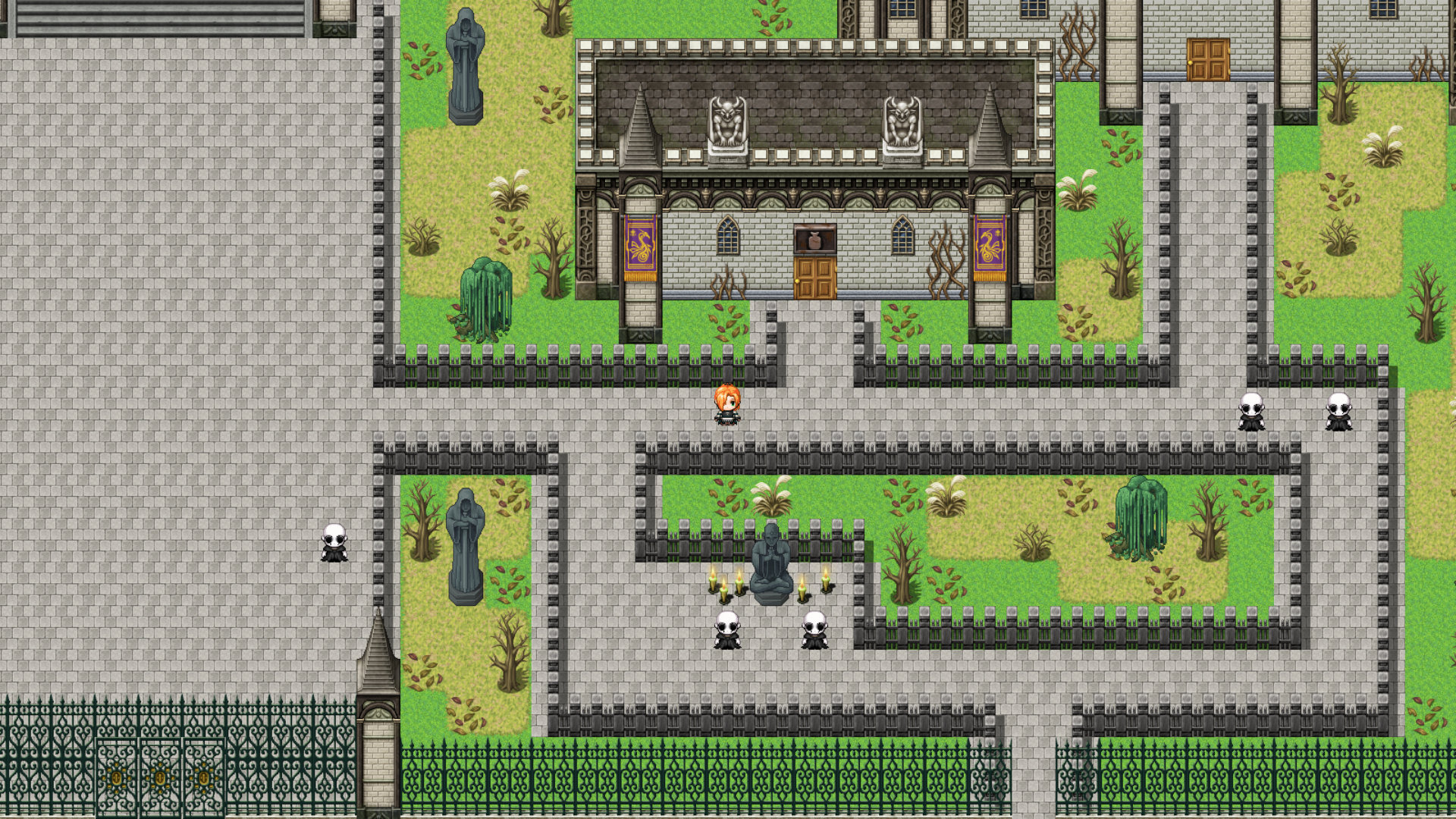
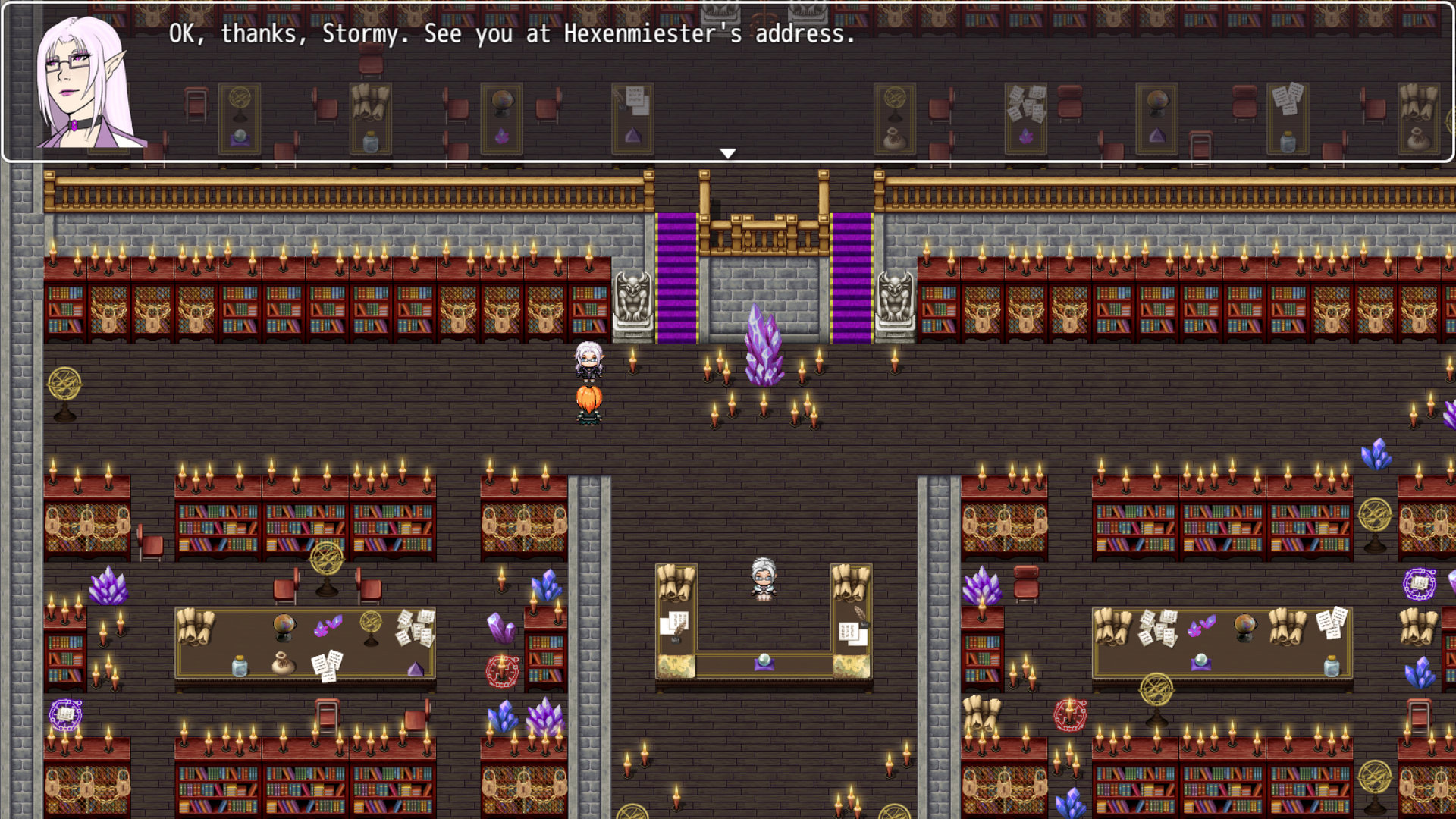
The contrast between simple environments and detailed character illustrations suits its uneasy world. We kept exploring because the setting posed questions worth investigating, although the dungeons don’t allow much careless wandering.
Dungeons contain traps as well as enemies. Hidden spikes can inflict bleeding, continuing to drain health after the initial encounter. Wandering around without paying attention therefore has consequences, even before the skeletons get involved.

Some doors demand more than a key
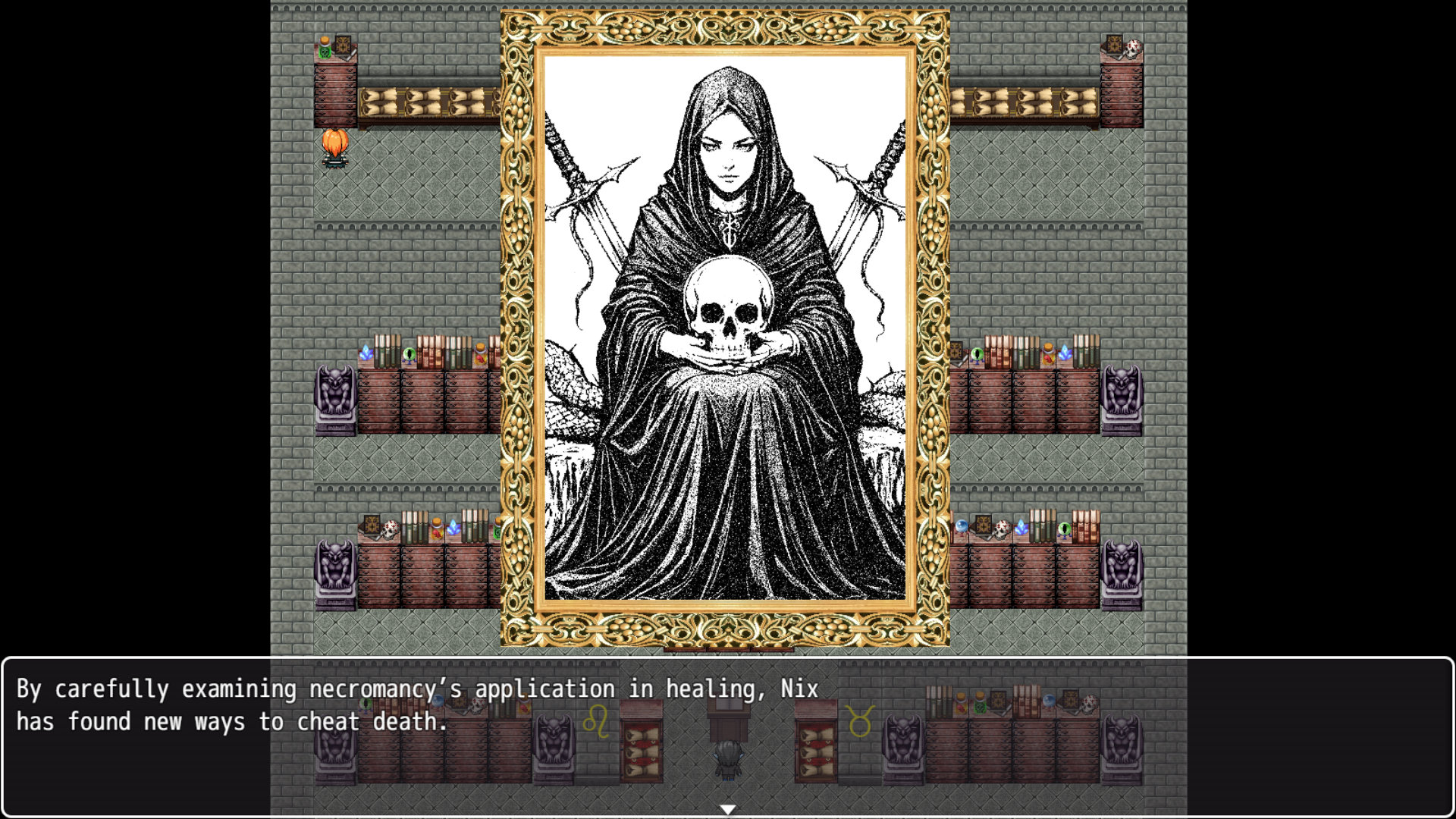
The puzzles proved to be one of the strongest parts of the experience. While exploring the Kingdom of Pain, we encountered sealed doors that required numerical passwords. The answers weren’t handed over in a convenient pop-up. Instead, books scattered throughout the area contained lists of phrases associated with the body, mind and soul, each tied to a number.
The solution came from matching the phrases on each door with the numbered entries in those books. It’s a fair piece of detective work: the information is there, but you have to find it and make the connection yourself. Opening a sealed door felt earned, not handed to us by a quest marker.
Three skeletons and a very bruised ego
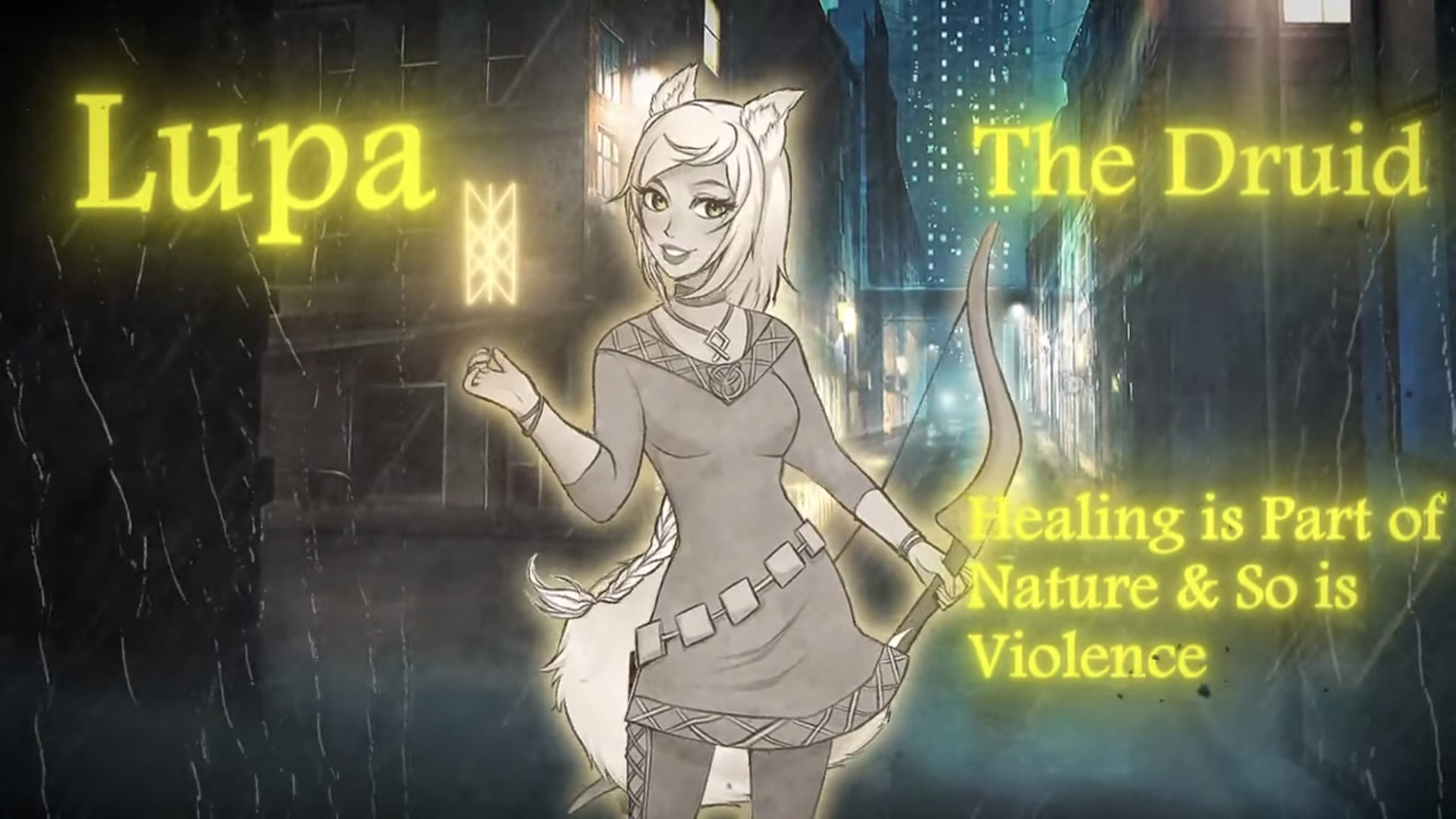
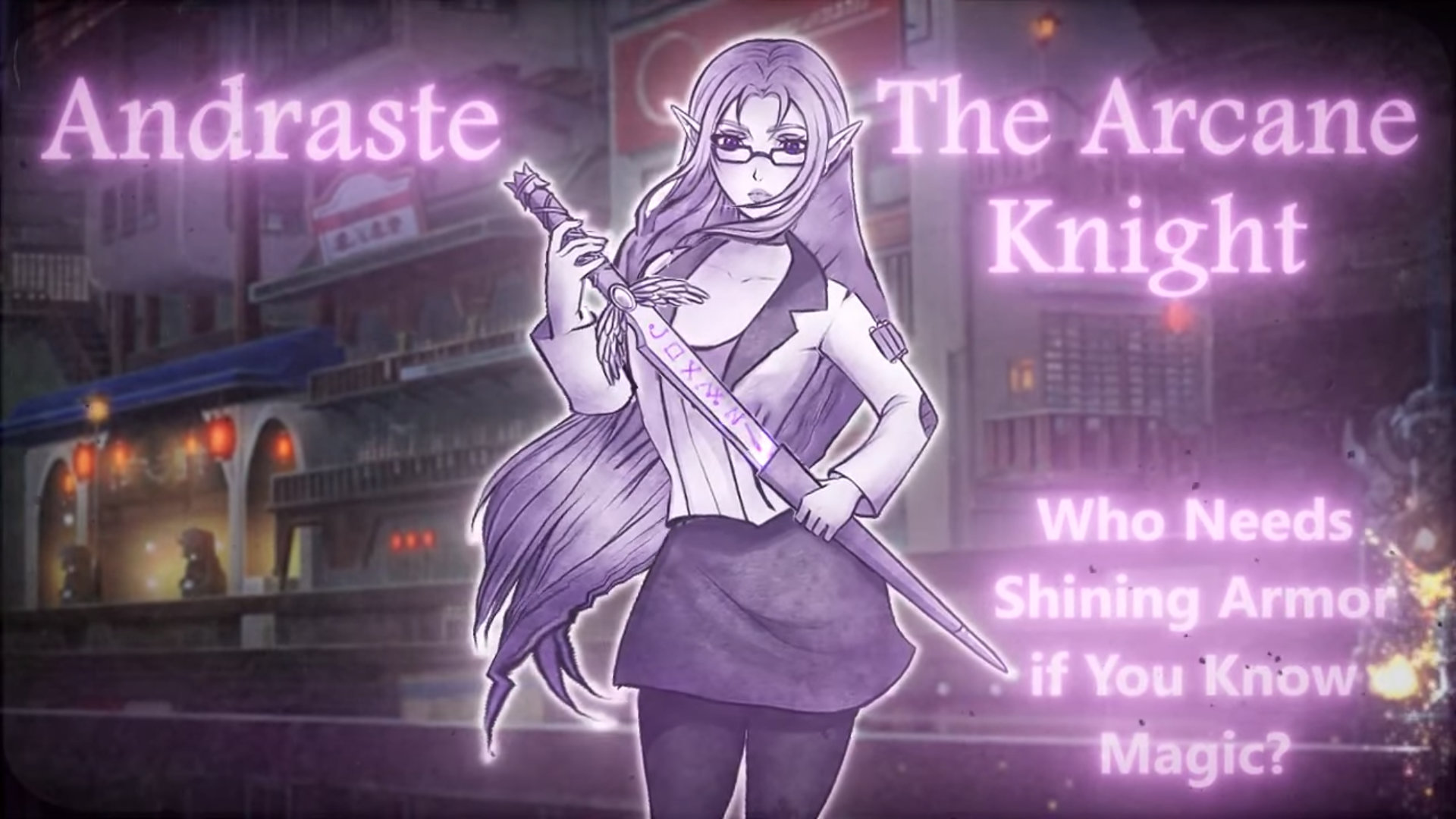
Combat is turn-based, with six characters available and room for three in the active formation. Each brings different abilities, strengths and magical attacks, while the equipment and upgrade systems add further decisions. That depth will suit players who enjoy experimenting with party composition, but it can be daunting when you’re still learning what everything does.
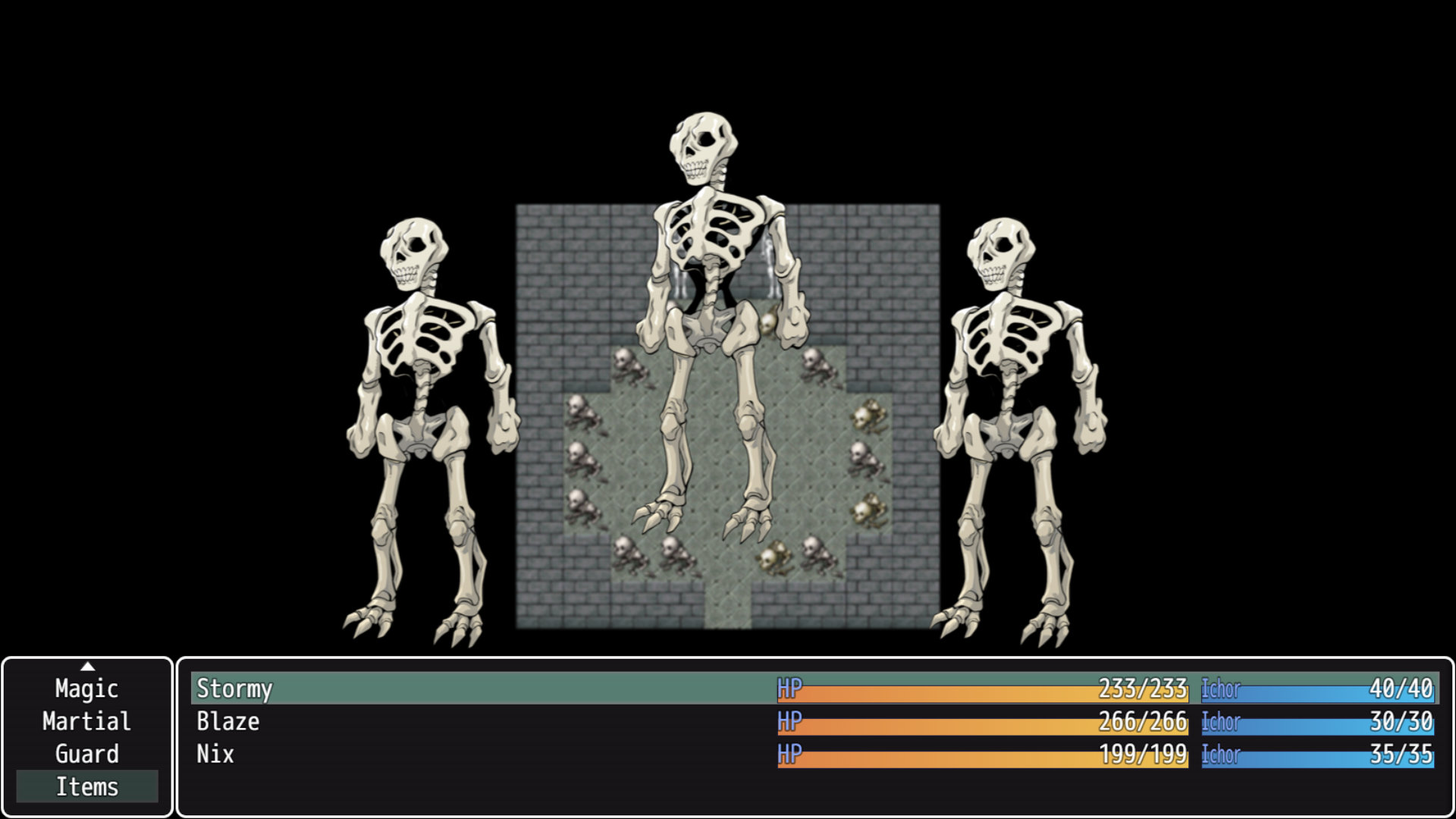
Against a single opponent we generally held our own. Put three skeletons in front of us, however, and our confidence evaporated. More than once we managed to defeat one or two, only for the remainder to finish the job. It’s difficult to feel like a tactical mastermind when you’re repeatedly being sent back to reconsider your life choices by a group of animated bones.
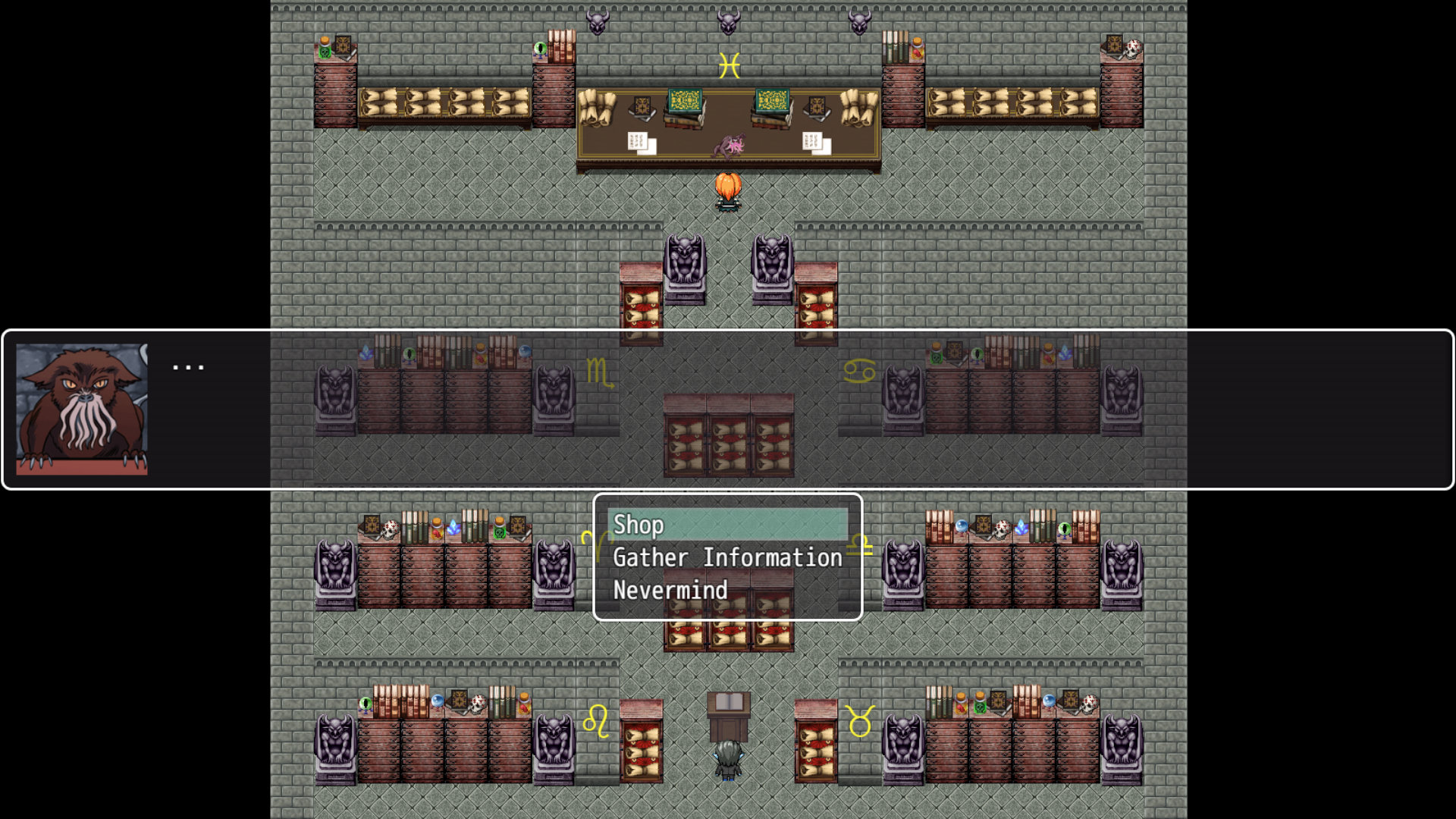
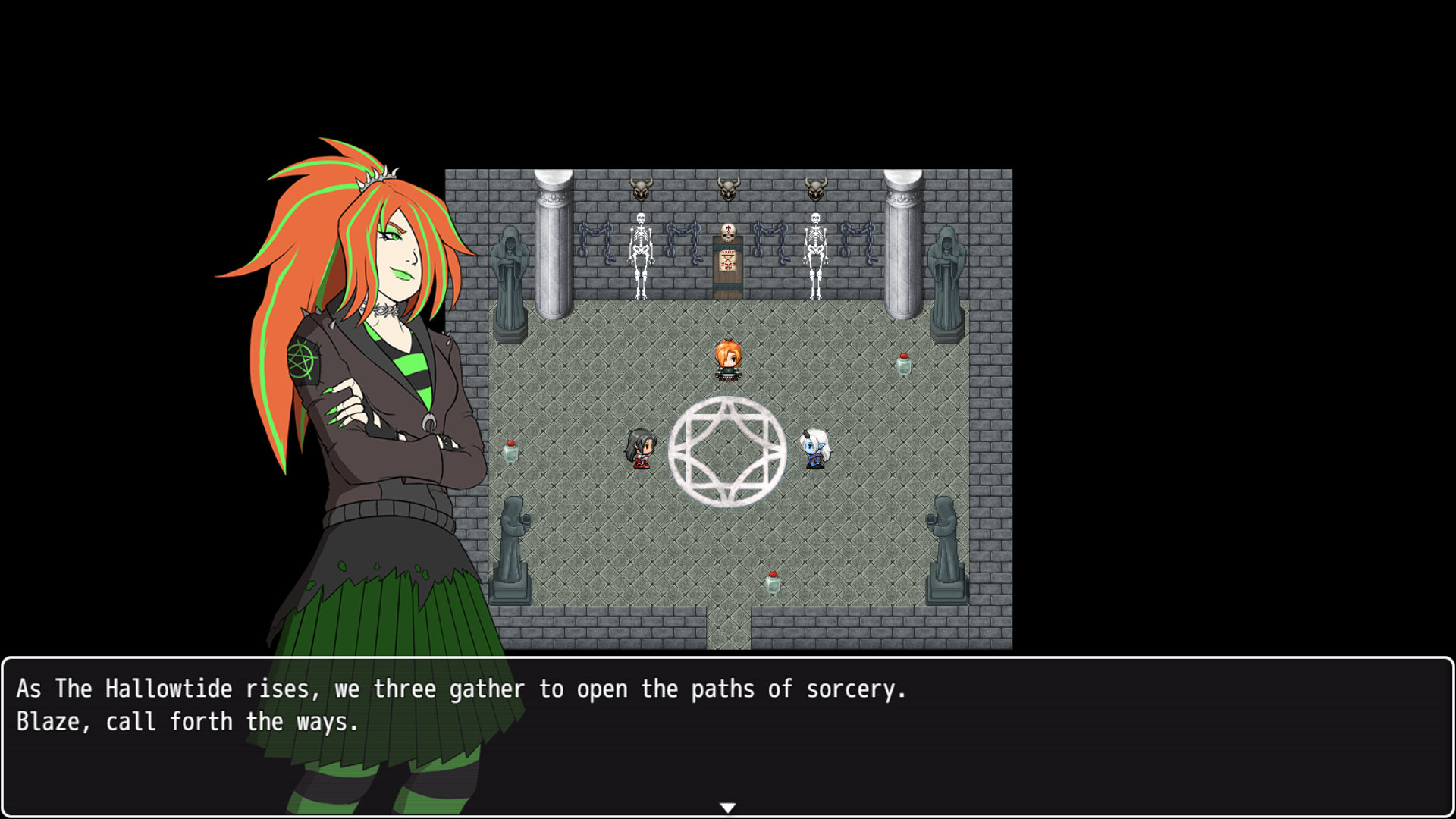
Eventually, careful reading and a change of approach made the difference. A formation featuring Andraste, Blaze and Nix succeeded where earlier attempts had failed. That victory provided one of the review’s clearest demonstrations of the game’s appeal: understanding your options matters, and adaptation is more effective than repeatedly pressing the same attacks and hoping for mercy.
When the menu becomes part of the battle
There’s a considerable amount of character management to absorb. Equipment can improve statistics such as maximum Ichor, the resource used for magical abilities, and choosing who benefits most from a particular item becomes an important part of preparation.
The volume of equipment and abilities can hide the useful choices among the noise. Our breakthrough against three skeletons came only after rethinking party composition, which shows both sides of the design: its systems can overwhelm at first, but understanding them changes the outcome of a fight.
A very atmospheric radio with one missing feature
The soundtrack does an effective job of supporting the darker atmosphere, although some shorter musical pieces become repetitive over long stretches. We also enjoyed the inclusion of a radio featuring music and spoken broadcasts. It adds character to the world, but it would benefit from subtitles for those spoken segments.
Without subtitles, dialogue can be difficult to follow if the volume is low or there is background noise in the room. It’s an accessibility improvement we’d particularly like to see, not least because an intriguing fictional broadcast deserves to be heard and understood.
Our verdict: 79/100
79/100 · GOOD. The Kingdom of Pain’s clue-based locks and the eventual victory with Andraste, Blaze and Nix show this RPG at its best: it expects attention and rewards it. The trade-off is an intimidating amount of character management, difficult multi-enemy battles and short music loops that become repetitive. Its spoken radio broadcasts would also benefit from subtitles. For players who enjoy unpicking systems and solving problems, the effort has a worthwhile payoff.
Review: Coloured Static Press Editorial. Based on original hands-on play on PC (Steam). Score: 79/100.