
One medium invites us to act. The other asks us to watch. The best adaptations understand that neither experience can simply be copied and pasted.
The problem with a perfect recreation
Games and anime have been borrowing each other’s worlds for decades. But the relationship is more complicated than adapting a familiar cast and reproducing favourite scenes. A game can make us spend twenty minutes finding our way through a ruined city. Animation can convey the same sense of place in a single shot. Both methods work, but they don’t achieve their effect in the same way.
That’s why faithfulness is a slippery measure of adaptation quality. Preserve every plot point and you may still lose the experience. Change the details thoughtfully and you can sometimes capture the original more convincingly than a literal retelling ever could.
From controller to screen: who owns the choices?
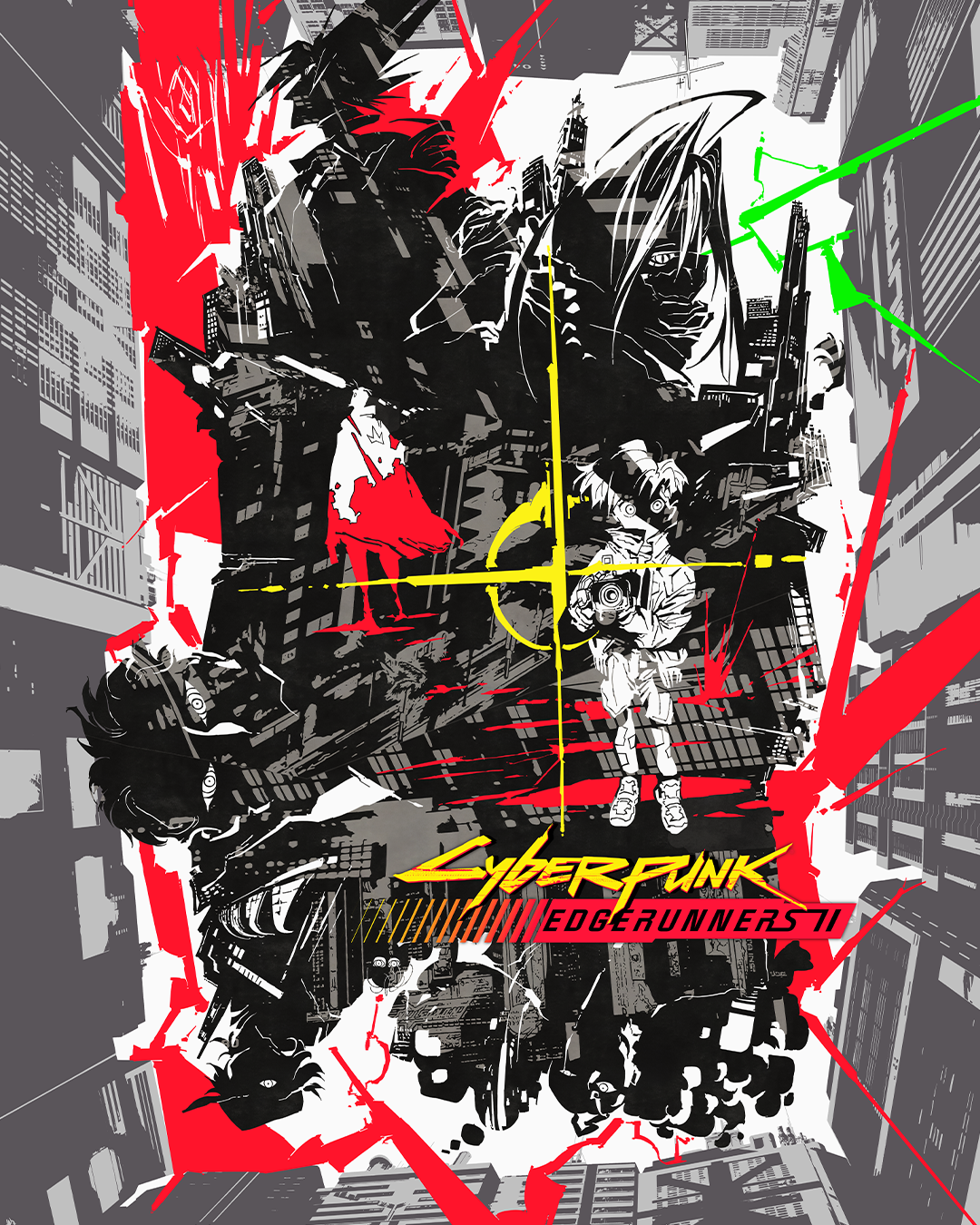
Cyberpunk: Edgerunners makes a strong case for building a story alongside a game rather than merely filming its main quest. Night City already possesses a distinct visual language: overwhelming advertisements, body modification, corporate power and the constant promise of a shortcut to something better. The anime uses that foundation to tell a separate story with its own characters and consequences.
It isn’t asking viewers to remember their V or the decisions they made in Cyberpunk 2077. Its power lies in making the city feel consistent even when the story belongs to somebody else. Now that Edgerunners 2 has premiered, the loop is particularly visible: CD PROJEKT RED has also announced an anime-inspired update for the game. This isn’t simply a game becoming television; the resulting television feeds ideas back into the playable world.
Read our coverage of Edgerunners 2 and Cyberpunk 2077 Update 2.5.
NieR: a story designed around repetition
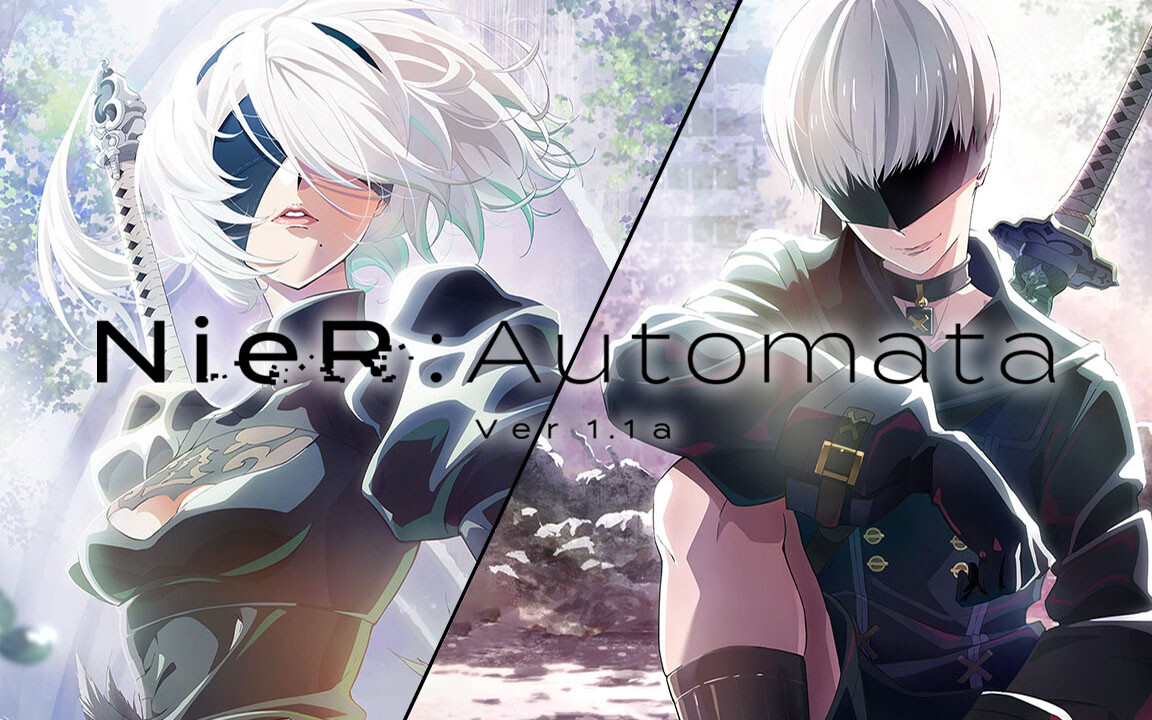
NieR:Automata presents a sharper challenge. Its identities, perspective shifts and revelations are closely bound to progression through an interactive work. Repetition is not merely a plot device: returning to the story from another angle is part of the way it teaches players to question what they thought they knew.
NieR:Automata Ver1.1a cannot reproduce the player’s decisions or the physical experience of replaying a route. Instead, it has twenty-four episodes in which to organise perspectives, recurring imagery and the emotional weight of familiar events. That is adaptation as interpretation. It also explains why comparing scene against scene misses the more interesting question: what can the anime reveal through editing, direction and viewpoint that the game conveyed through interaction?
Persona 4: The Animation illustrates a related problem. In the game, relationships deepen partly because the player decides whom to spend time with. Television necessarily chooses its own pacing. The social world can survive that change, but the sense of ownership over those relationships cannot transfer intact.
Successful adaptation isn’t about retaining every scene. It’s about understanding why a scene mattered in the first place.
From anime to controller: spectacle is only the starting point
The journey in the opposite direction comes with a different temptation: recognise the characters, reproduce the special moves, build an arena and let familiar music do the emotional work. That can create an exhilarating first ten minutes. But a game must remain interesting after players have seen their favourite attack for the fifteenth time.
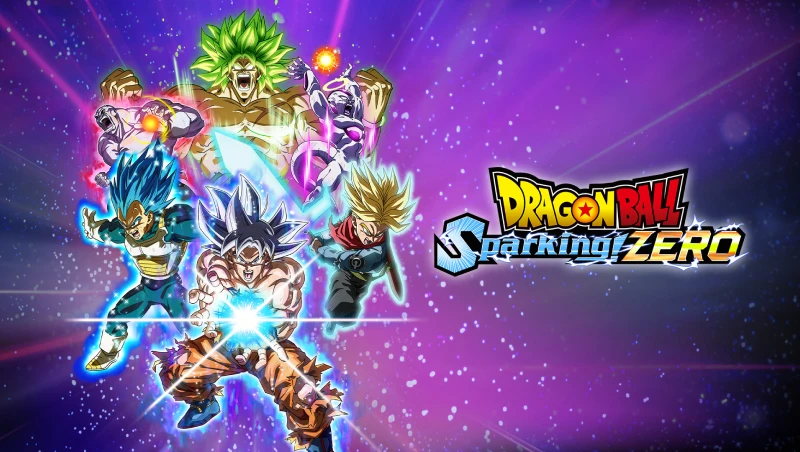
Dragon Ball: Sparking! ZERO makes visual intensity part of the attraction, translating the series’ impossible aerial confrontations and exaggerated displays of power into a playable fighting experience. Yet the game’s lasting appeal must also rest on mechanical questions: how matches flow, what players learn, and how much meaningful control they have between the cinematic flourishes.
With the Naruto: Ultimate Ninja Storm games, spectacular set pieces can recreate the energy of landmark anime battles. In an interactive medium, though, spectacle works best when it punctuates a fight the player is genuinely participating in rather than replacing that fight altogether. Demon Slayer: The Hinokami Chronicles faces the same balancing act: a distinctive animation language draws people in; a rewarding combat system gives them a reason to stay.
One Piece Odyssey and the value of an original adventure
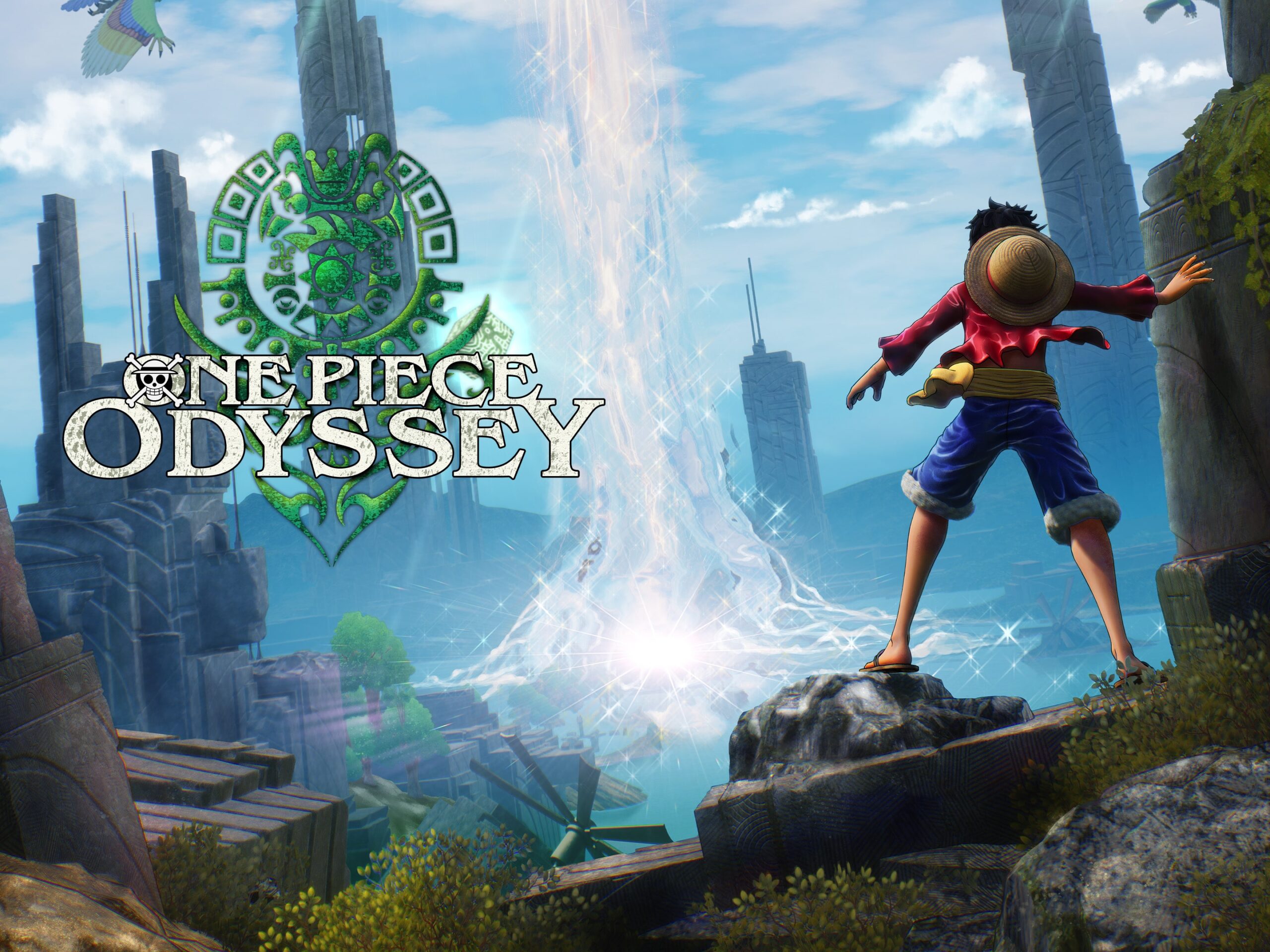
One Piece Odyssey chooses a different route. Rather than relying solely on a collection of familiar fights, it builds a role-playing adventure around the Straw Hat crew, with a new island, original characters and creative involvement from series creator Eiichiro Oda. That matters because an interactive adaptation needs room for a player to explore, discover and develop a rhythm of their own.
When a franchise works in both directions
It is tempting to speak about games and anime as though one always comes first and the other merely follows. Increasingly, they form a creative conversation. Viewers discover games because they love a series. Players return to an old favourite after watching an adaptation. Developers can then respond with new content that references what the animation contributed.
There is a commercial reality to all this, of course. Adaptations introduce audiences to valuable intellectual property. But the best examples earn attention even from people who have no previous relationship with the source. They offer an experience, not a demand to recognise a logo.
Our view: an adaptation should preserve the identity of the original while making a convincing case for its new medium. Anime should do more than recite a game’s cutscenes. Games should offer more than playable versions of moments viewers already know by heart. When that balance is right, neither work replaces the other. They make each other richer.
Further reading: CD PROJEKT RED on Edgerunners 2 · Aniplex on NieR:Automata Ver1.1a · Bandai Namco on One Piece Odyssey.