
COLOURED STATIC PRESS / HANDS-ON GAME REVIEW / XBOX
Water the plants. Feed the invisible pets. Keep the lights on. a pet shop after dark has a remarkably simple job description for a game that makes you question absolutely everything.
Most night shifts come with a predictable set of responsibilities. You find out which cupboard contains the cleaning equipment, locate the kettle and hope nobody has left a mountain of paperwork for the morning. a pet shop after dark is not that kind of job. The instructions seem harmless enough, but the longer you stay, the more apparent it becomes that something is very wrong with this little shop.
Developer npckc has created an unusually imaginative point-and-click adventure that makes ordinary jobs feel deeply suspicious. Looking after some unusual creatures and a few plants is only the beginning. It’s the mystery beneath those routines, and the sheer inventiveness of the puzzles used to reveal it, that makes the experience so memorable.
Our Xbox playthrough began with apparently straightforward tasks. Watering plants, feeding the unseen residents and following the shop’s instructions didn’t seem unreasonable. Before long, though, the game started questioning what we understood about the environment, particularly when its fictional desktop began to play a much bigger role in proceedings.
One very strange shift
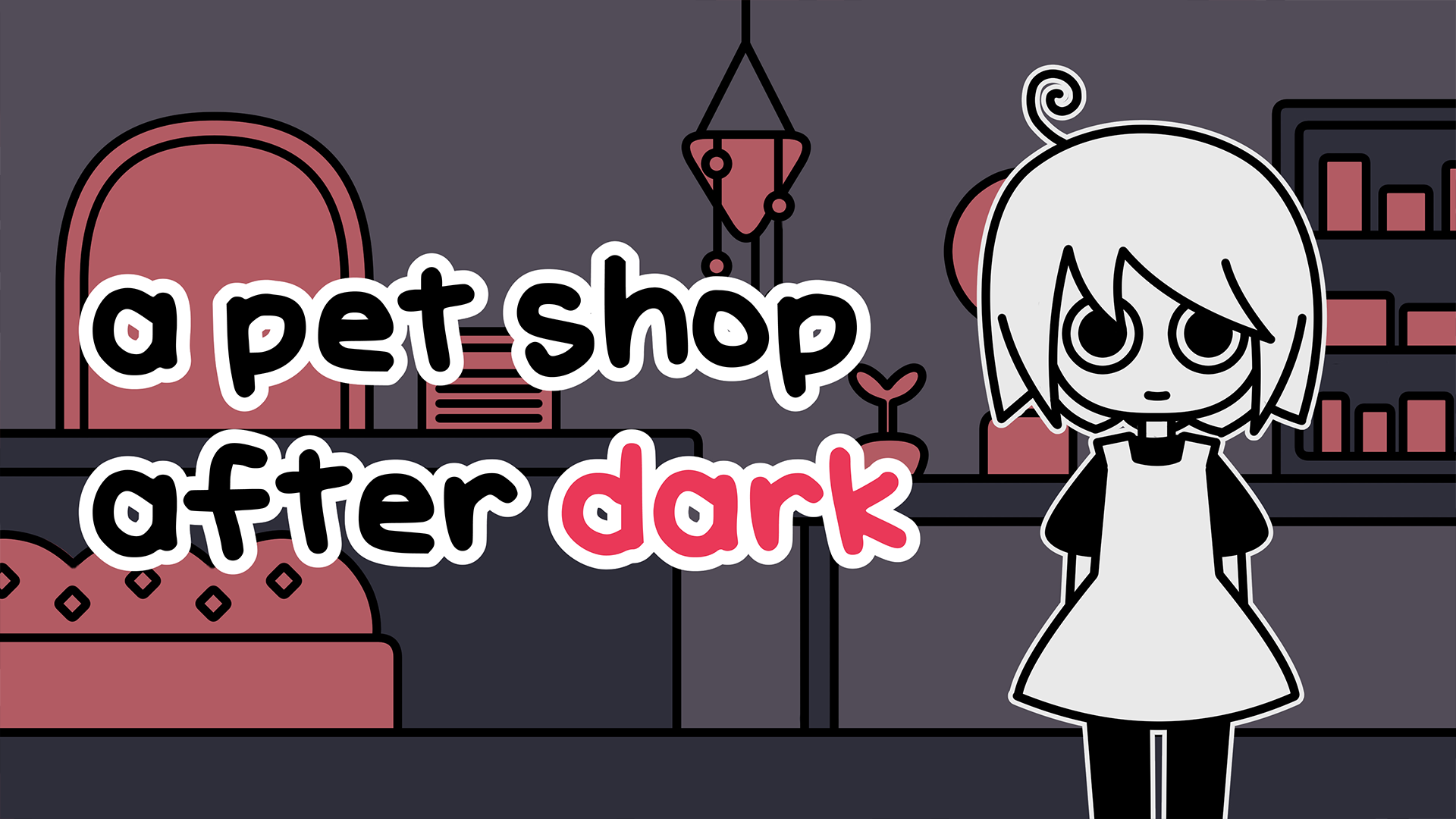
The presentation is deceptively gentle. Simple character designs, bold outlines and restrained colours give everything a charming storybook quality, but it’s the kind of storybook where someone has quietly removed the reassuring final page. Its modest visuals work beautifully with the premise, making the oddities feel even more unsettling.
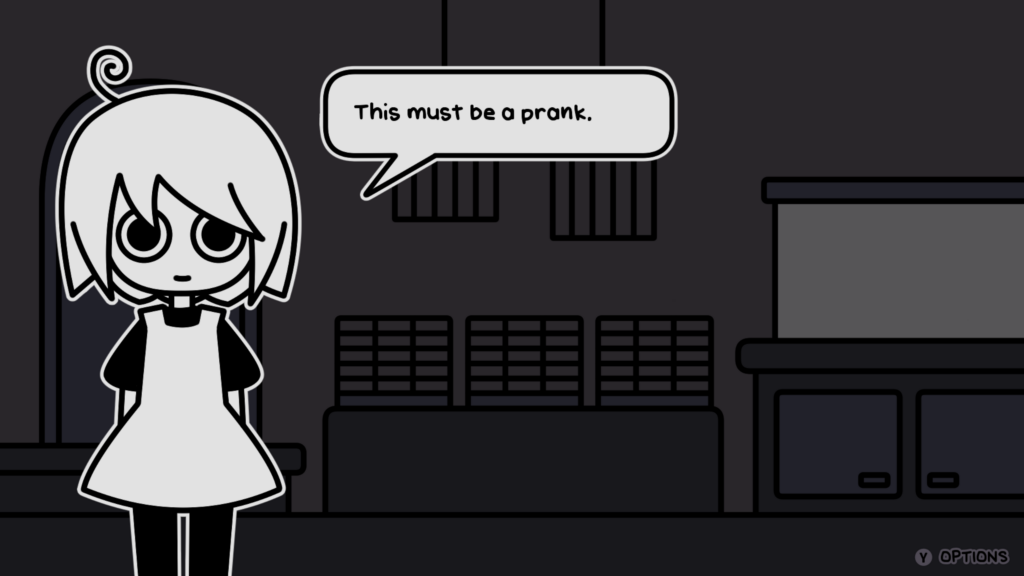
The game doesn’t need an endless sequence of sudden scares to make the atmosphere work. Instead, it lets small questions accumulate. Why are some instructions so particular? Why does a harmless interaction produce such an unexpected result? And at what point should a sensible employee decide that this job is no longer worth the wages?
That creeping unease gives the experience an identity of its own. What looks like a cosy little task simulator gradually turns into something that demands curiosity, patience and a willingness to question its apparent rules.
Files, folders and thinking outside the screen
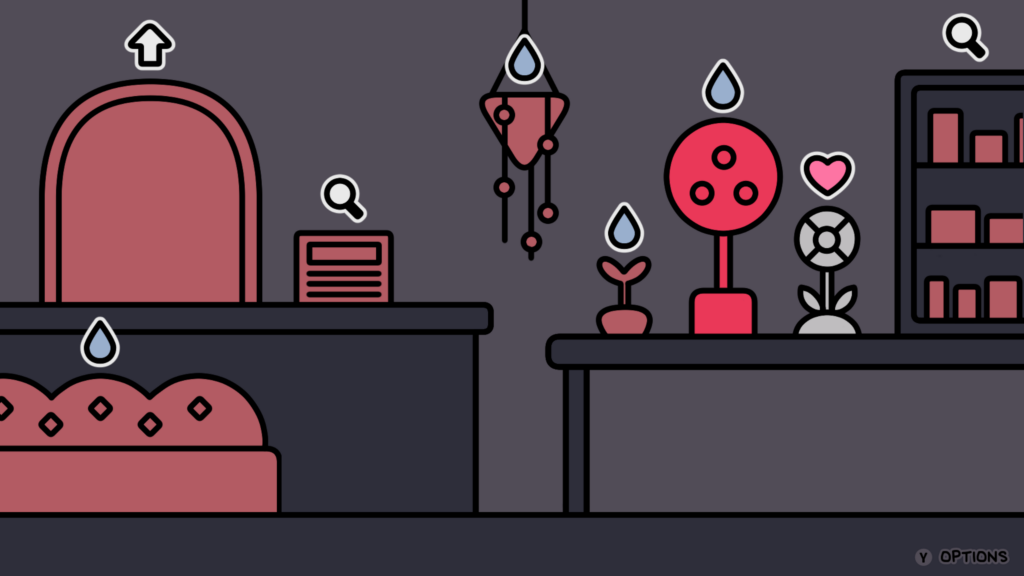
The standout mechanic is the way a pet shop after dark turns a fictional computer system into a genuine puzzle space. Files and folders aren’t just decorative elements. They represent things within the game, and changing their arrangement can change what happens elsewhere. It is an idea that’s surprisingly straightforward to describe but genuinely satisfying to discover.
One particularly enjoyable moment involved cutting a file from one folder and pasting it into another. The consequences on screen made a familiar computer action suddenly feel like a piece of magic. These are the moments when the game is at its most confident: it trusts players to connect ideas from different parts of the experience and rewards them for doing so.
There’s more to the puzzles than manipulating files, though. A range of challenges involving mysterious symbols, unusual plants, an increasingly hungry creature and an unexpected maze keeps the adventure from falling into a single repetitive pattern. The best solutions prompt that lovely moment of recognition when something you’ve been staring at for ages finally makes sense.
What makes these ideas work is how closely they’re tied to the wider mystery. They don’t feel like arbitrary obstacles erected to stretch the running time. Solving them is part of learning how the world operates, and the more you understand those strange rules, the more intriguing the story becomes.
When clever becomes cryptic
The difficulty is that the game sometimes asks for a leap of logic without offering quite enough to guide it. There were stretches when it was impossible to tell whether we’d missed an interaction, misunderstood a clue or simply started searching in the wrong place altogether. Some sections demanded lengthy experimentation, and a few particularly confusing puzzles eventually required outside assistance.
Optional hints are welcome, but even they can be cryptic. That might preserve the mystery, although it is rather less charming when you’ve spent twenty minutes staring at an object as though it owes you money. We love being challenged to think differently. We are less enthusiastic about the feeling that the game has neglected to tell us which question we’re supposed to answer.
Navigation causes occasional frustration too. Progression can depend on very small interface details or on knowing when to return to the shop rather than continue exploring the computer environment. Missing that distinction can leave you going round in circles. A slightly clearer indication of what can be interacted with would make some of these moments considerably smoother.
Even when it tested our patience, though, the desire to discover what happened next rarely disappeared. The adventure is simply too unusual, and its next surprise too tempting, to walk away from easily.
The most worrying thing about this night shift isn’t the invisible pets. It’s how normal it starts to feel when moving a computer file becomes part of feeding them.
Story and presentation that keep pulling you back
It’s tempting to explain some of the more surprising narrative developments, but doing that would spoil much of the reason to play. The story unfolds from an ordinary job into something far more unpredictable, and several of its twists genuinely caught us off guard. The unusual characters and experimental mechanics are not simply decoration; they are woven into the mystery itself.
The strength of this approach becomes clearer as the game progresses. Rather than telling a story in one place and asking you to complete unrelated puzzles in another, it makes understanding the puzzles part of understanding the story. That gives its most memorable revelations a satisfying connection to things you’ve actually done.
The soundtrack supports the atmosphere well at first, complementing those deceptively cute visuals and the gradual sense of unease. Its main weakness is repetition. During the longer stretches spent wrestling with difficult puzzles, we found ourselves wishing for a little more variety in the music. It isn’t a major fault, but it’s an area where the presentation could have maintained its mood more effectively.
Our verdict
Completing the adventure left us with the feeling of having experienced something genuinely distinctive. There were moments of confusion and a few times when the puzzles seemed determined to win an argument nobody had started, but there was also a constant sense that the next discovery might be worth every minute.
This isn’t a game for players who want every objective clearly highlighted or who expect conventional point-and-click logic throughout. For those who enjoy experimental storytelling, unexpected interfaces and puzzles that aren’t afraid to challenge their assumptions, there’s something rather special here.
Final score: 88/100
a pet shop after dark is a wonderfully inventive and delightfully strange puzzle adventure. Its unconventional desktop mechanics and unfolding mystery work brilliantly together, and its restrained presentation makes the shocks and surprises more effective. Occasionally obscure puzzles, awkward navigation and repetitive music keep it from reaching even greater heights, but the creative ambition and storytelling make this a night shift well worth taking.
Where to play: a pet shop after dark was previously released on PC. Its console editions for Nintendo Switch, PlayStation 5 and Xbox Series X|S launched on 12 November 2026. Developer: npckc. Console publisher: Viridian Software.
Editorial disclosure: This review is based on original Xbox gameplay observations supplied to Coloured Static Press, including completion of the story. Two images are original in-game Xbox captures; the third is official key art credited to the developer and publisher. The written article avoids major ending spoilers. Review by the Coloured Static Press team.