
Hands-on review based on original PC gameplay.
The easiest way to lose an entire evening is to open a cosy building game with a completely innocent plan: perhaps a little pond, a handful of flowers, and absolutely no reason to rearrange the entire village. Hokko Spaces understands that temptation very well. There’s something wonderfully satisfying about being given a blank space and being told to let your imagination run wild. Whether it’s planting flowers, arranging furniture or creating an entire landscape, I’ve always enjoyed games that give me the freedom to make something my own. Hokko Spaces certainly caught my attention with that promise, and it wasn’t long before I found myself building a little world filled with adorable animal villagers. The game makes a lovely first impression.
Its bright, colourful visuals and charming, almost toy-like characters immediately give it a cheerful, welcoming atmosphere. My first villager was Oma, an adorable pink elephant, and from there, I began discovering just how much creative freedom the game offered. Rather than simply decorating an existing environment, Hokko Spaces allows you to construct the landscape itself. Using the World Builder, you can place individual sections of land, create stretches of water and introduce different types of terrain.
There’s also a separate decoration menu containing plenty of objects to furnish your little world. I found the controls incredibly straightforward. Despite still getting used to playing games with a keyboard and mouse rather than a controller, building and decorating felt quick and easy. Placing objects and expanding the landscape became second nature almost immediately, which is exactly what you want from a game that revolves so heavily around creativity. However, the real attraction for me was discovering the villagers.
Hokko Spaces features a sizeable collection of adorable animal characters waiting to be unlocked, each with their own requirements. These range from placing certain types of decorations to completing specific activities around your world. For example, one little bear required 200 water squares and two fishing items, which resulted in me creating an enormous body of water just to welcome him into my village. Another character, a rather adorable mummy bunny, needed six spooky items and two ruin items. Meanwhile, a little pig named Poa simply required four town items and one transport item.
Building, decorating and welcoming new residents
A bicycle dumped onto the grass was apparently sufficient! It’s a wonderfully entertaining system initially, and I quickly found myself falling into the familiar trap of wanting to unlock just one more villager. The requirements also encourage you to experiment with different themes and decorations. Some must be completed within a single space, while others count your progress across all the spaces you’ve created. This gives you the opportunity to work towards several characters while constructing different environments.
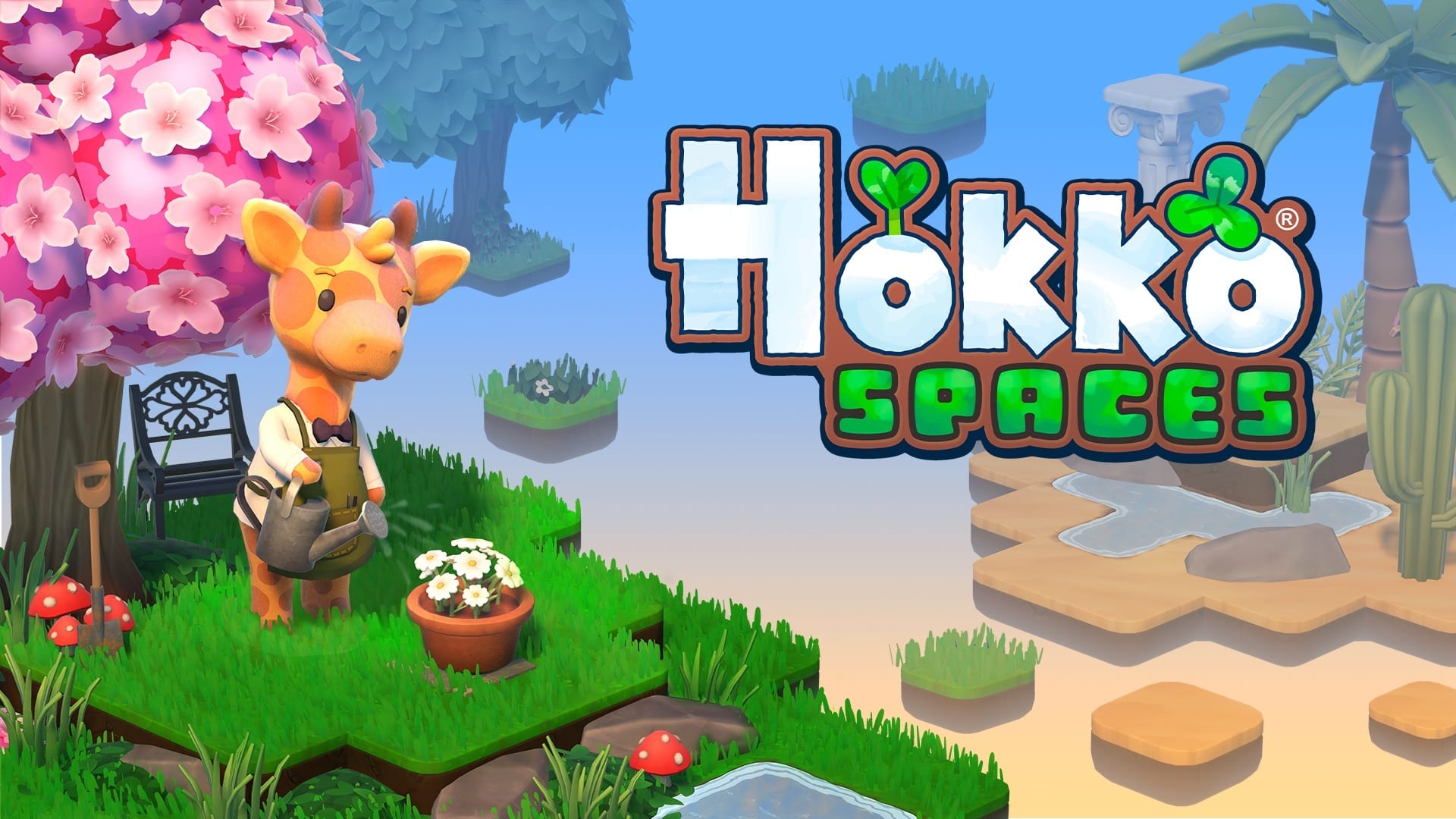
Another positive is that once you’ve successfully unlocked a villager, you can remove the objects used to meet their requirements without losing them. This is particularly useful when space becomes limited, allowing you to rearrange everything or completely redesign an area to work towards your next character. There are also little activities involving your villagers themselves. After planting my first seed, I noticed that the giraffe wandered over and watered it without any encouragement.
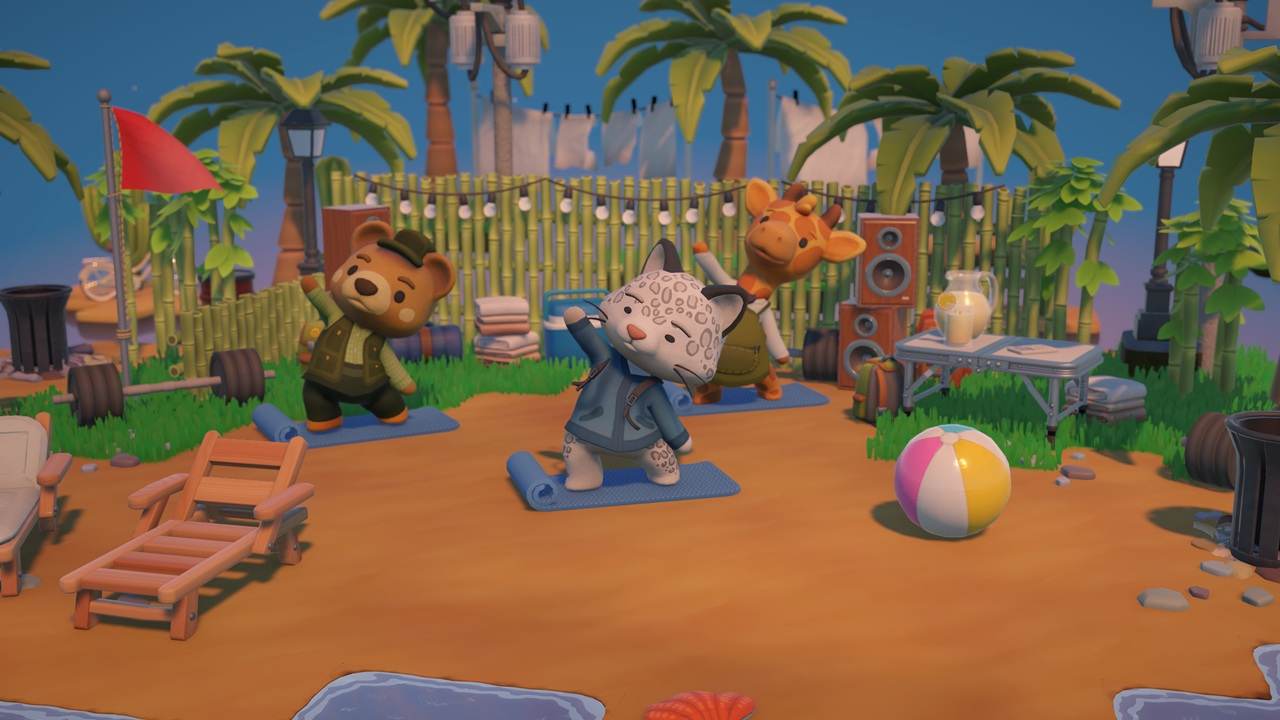
Further experimenting revealed that all the villagers could water plants, and you can even pick them up and place them directly onto planted seeds to encourage them to help. Certain unlock requirements involve activities such as watering plants, removing weeds and cooking meals, adding another layer to the progression system beyond simply placing decorations. Unfortunately, this is also where some of the frustrations begin. While requirements involving obvious categories, such as fishing or spooky decorations, are easy enough to understand, others can be much less clear.
Working out precisely which objects qualify for certain categories sometimes becomes a matter of trial and error. I also found myself questioning how to trigger particular villager activities. Watering plants was straightforward once I’d discovered how it worked, but figuring out whether villagers could perform other tasks, such as weeding or fishing, wasn’t nearly as obvious. The size of an individual world also appeared to have a limit, and initially I wasn’t sure whether I could continue expanding or would need to start another space.
When the creative loop wears thin
While the option to create additional spaces and remove unwanted objects offers flexibility, a little more clarity around these mechanics would have been welcome. But my biggest criticism is the overall depth of the experience. As much as I enjoyed building my world and collecting the villagers, I gradually realised that the fundamental gameplay wasn’t changing very much. I’d examine a character’s requirements, place the necessary items, complete any additional tasks and unlock them before moving on to the next. Initially, this was surprisingly addictive.
There’s something genuinely satisfying about seeing another little animal join your growing collection, particularly when you’ve spent time creating the right environment for them. However, once I’d experienced enough of this progression system, I began wondering what would keep me playing after unlocking the characters. Of course, anyone who loves designing landscapes and decorating environments could happily continue creating new worlds long after completing their collection. There’s certainly plenty of enjoyment to be found in that creative freedom.
For me, though, the villagers provided the biggest motivation, and without a greater variety of activities to discover, I could see the gameplay becoming repetitive over time. That’s a shame, because Hokko Spaces has plenty going for it. The presentation is delightful, the controls are accessible, and the freedom to shape an environment from scratch is genuinely enjoyable. The villagers are full of charm, and their different unlock requirements give players plenty of little objectives to pursue.
It’s the sort of game where you can start with the intention of spending twenty minutes decorating a garden, only to find yourself constructing a lake, changing the seasons twelve times and filling the landscape with random objects because there’s another adorable animal you simply have to unlock. Ultimately, Hokko Spaces is a charming and relaxing creative experience that does a wonderful job of making its early progression feel rewarding.
I thoroughly enjoyed my time with it, particularly the freedom to experiment and the satisfaction of welcoming new residents into my increasingly chaotic little village. I just wish there were a little more to discover beyond the cycle of building, decorating and collecting. For players who love creating their own miniature worlds, there’s plenty here to enjoy. For those who need a little more variety to keep them engaged, its charm may eventually struggle to overcome its repetitive nature.
Verdict
Coloured Static Press score: 78/100.
Reviewed by the Coloured Static Press team. Verdict based on original PC hands-on gameplay; official promotional screenshots are credited in their captions.
Where to play: Hokko Spaces launched on 29 October 2026 for PC and Nintendo Switch. Find the game on Steam or the official Nintendo eShop listing.