
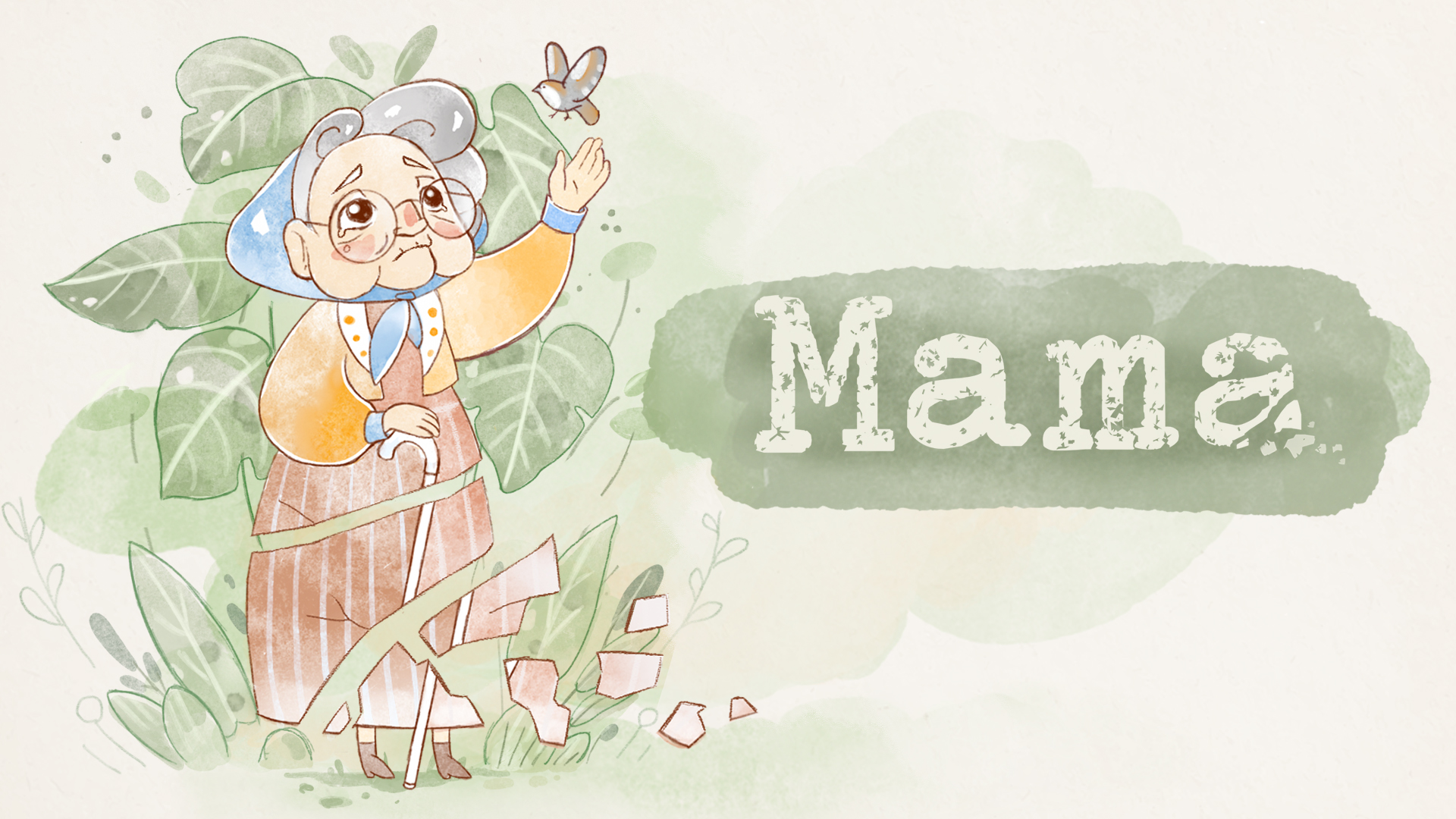
Behind the Signal is our conversation series with the people making games. This interview is based on written answers from Pat-o-Logic Studio, not a hands-on assessment of Mama.
Some games ask you to save the world. Mama asks what happens when the world someone remembers no longer quite matches the one around them, and how a family finds its way through that gap. Pat-o-Logic Studio’s story follows a mother and daughter navigating dementia from different perspectives, using puzzles, watercolour illustration and moments of affection to approach a subject that rarely fits neatly into a game mechanic.
We spoke with the studio about the personal experiences behind the project, the responsibility of representing memory loss, and why a pickle jar might be exactly the right place to keep your money, at least from one character’s point of view. The answers below are drawn from the studio’s written response, with editorial framing added by Coloured Static Press.
Where the story began
The studio says the idea grew from experiences with dementia among older loved ones and other people close to the team. Rather than claim to reproduce any one person’s experience, the developers wanted an interactive story that might encourage players to think about both the person living with dementia and the relatives caring for them.
“We are not medical professionals, but we felt that games could help us explore this subject and reach people who might not otherwise think much about it.”
That distinction matters. Mama is a creative interpretation informed by lived experience, not a medical simulation. Its ambition is emotional understanding, built through time spent with characters rather than a lecture disguised as a level.
Two perspectives, one difficult situation
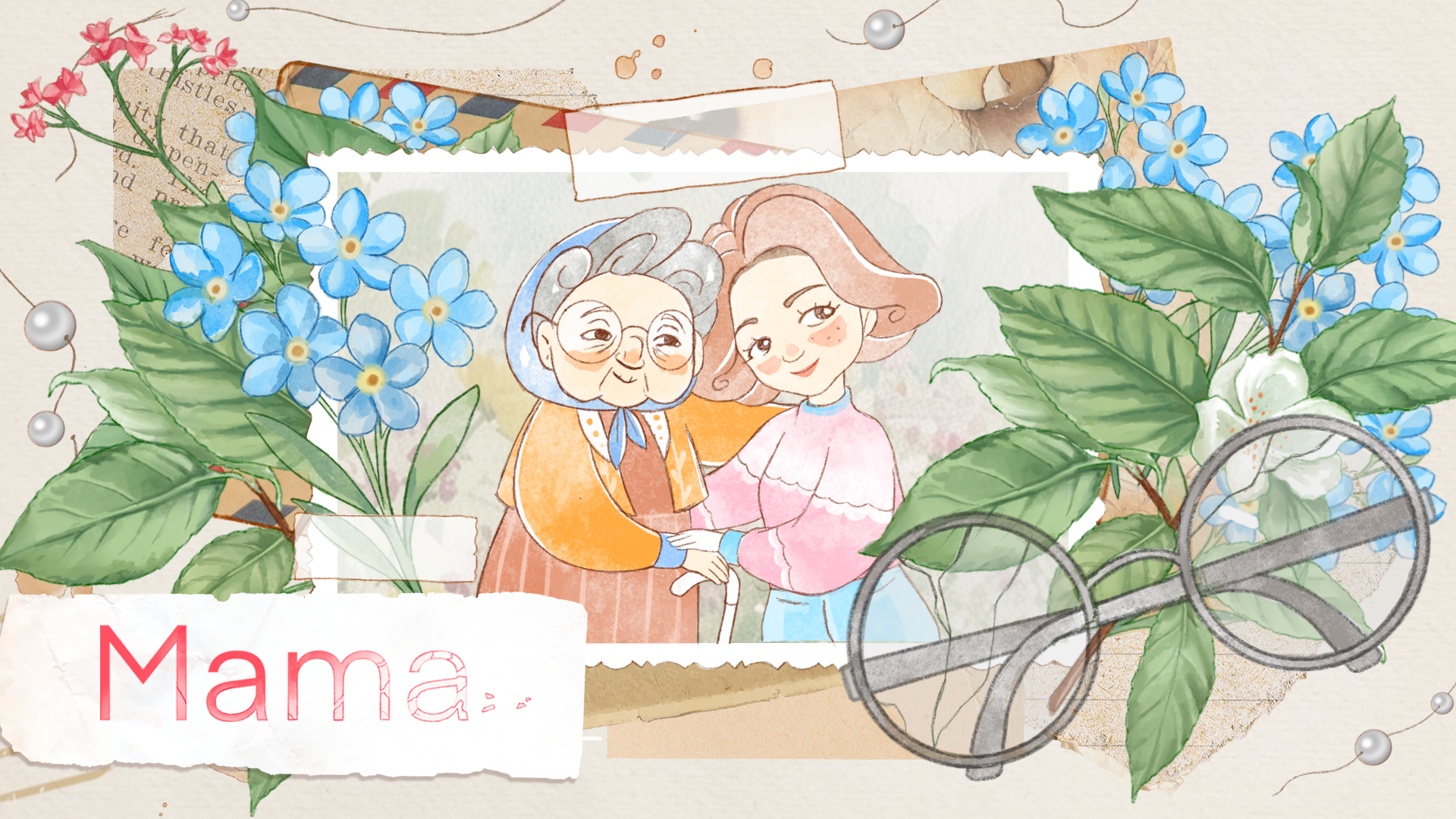
The studio explains that situations which appear baffling to a daughter may seem entirely logical to her mother. Presenting both perspectives allows the player to understand the gap without reducing either character to a problem that needs fixing.
“They experience the same situations, but they may understand them very differently. Each is trying to cope in her own way.”
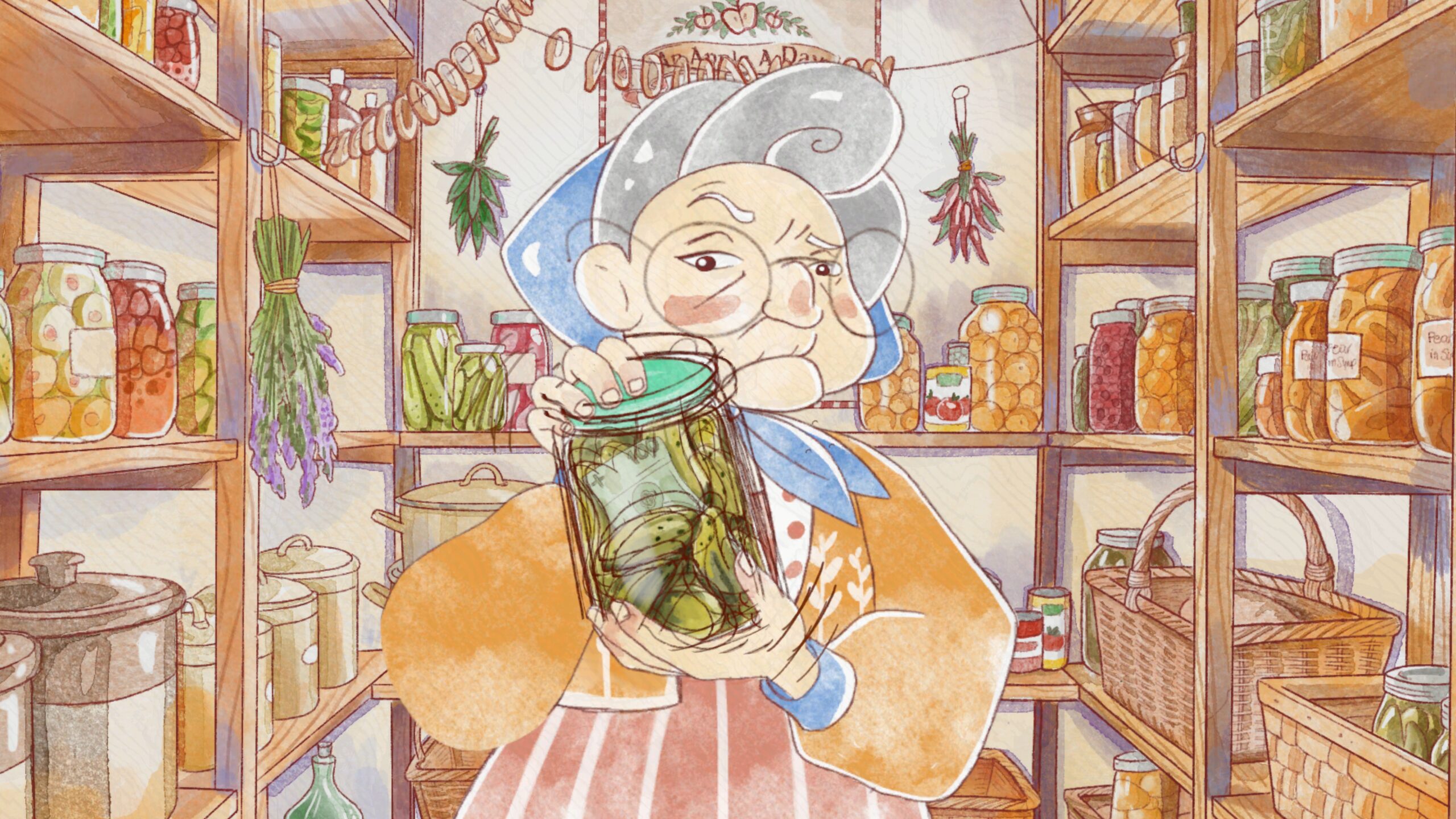
One example involves the mother storing banknotes in a pickle jar: the notes are green, the pickles are green, and the logic seems perfectly sound to her. The daughter, meanwhile, must rescue and dry the money. It’s a small domestic puzzle with a comic surface and a more painful truth beneath it.
When a puzzle becomes a point of view

The team describes a phone interaction in which the mother’s hand shakes and the numbers she recalls keep changing. Another scene draws on a clock-drawing task used in dementia screening, with the on-screen result shifting away from the player’s intended drawing. The studio stresses that these moments are informed by observations and caregiving experiences, not a claim to know precisely what another person feels.
These examples suggest a thoughtful approach to interactive storytelling: the puzzle isn’t simply an obstacle between cutscenes. It is part of how the characters perceive the same moment differently. Whether that design lands as intended is something only first-hand play can establish, and this interview should not be mistaken for a review.
Why watercolour?
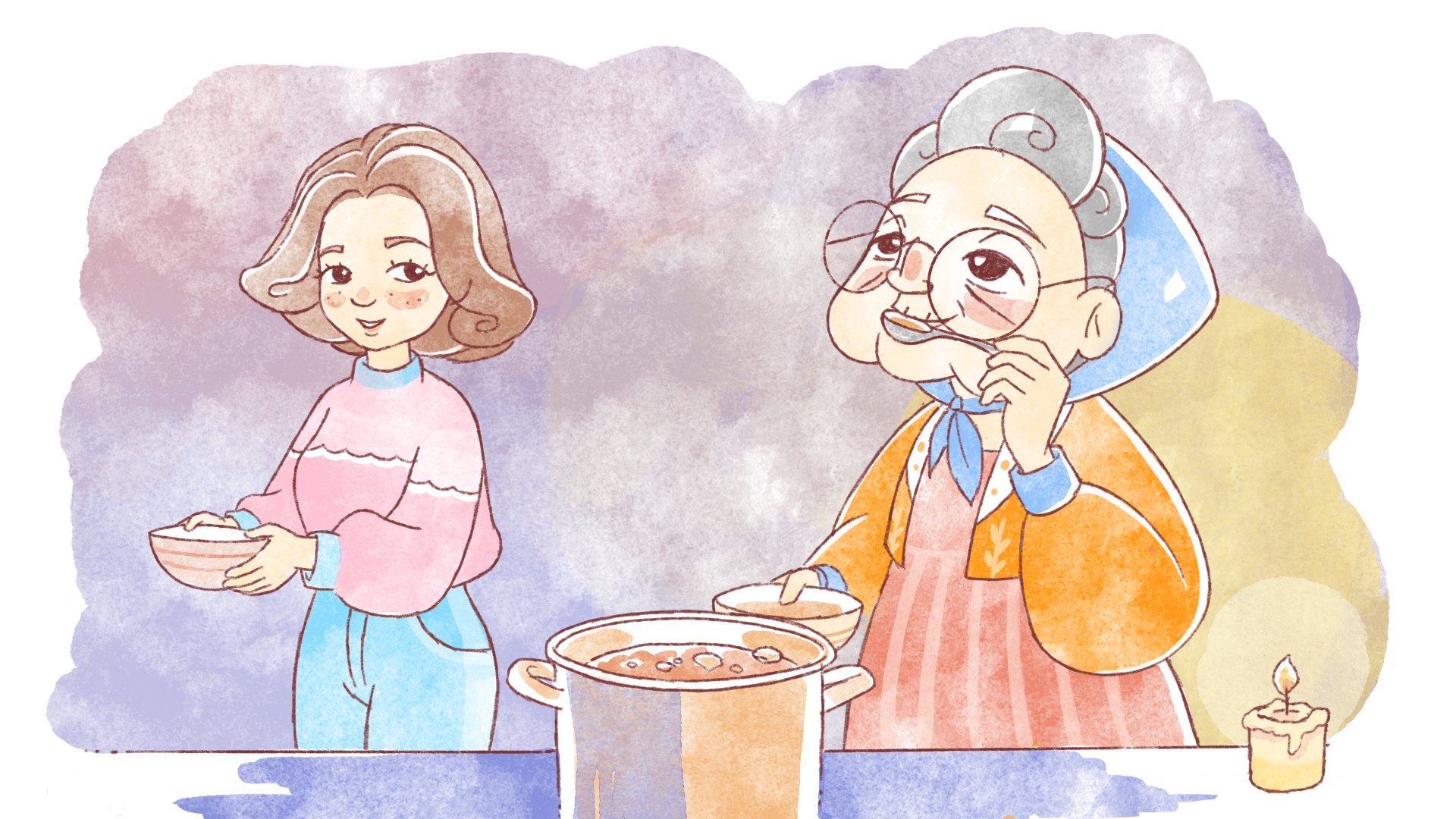
Mama’s soft visual language is deliberate. The studio wanted a gentler atmosphere around difficult themes, one associated with family homes, shared history and memories that fade gradually.
“We chose a watercolour style to bring a sense of softness to these difficult themes.”
The same balance informs the writing. The developers point to affection between mother and daughter, childhood memories, and moments of humour that coexist with grief. Their description of finding money in the pickle jar captures the intention neatly: laughter does not erase sadness, and sadness need not eliminate laughter.
Optional ways to make the story personal
The studio says microphone and camera interactions are already implemented but entirely optional. Players may call out for Mama at the childhood home, or simply knock using standard controls. With the camera enabled, a player’s image may appear in the mother’s mirror reflection; without it, the game displays a distorted reflection of the mother instead.
These are intriguing ideas, especially because alternatives are provided for players who cannot or would rather not use a microphone or camera. The team is considering further interactions but is keeping those plans under wraps.
What the studio hopes stays with players
The developers say event attendees have sometimes finished the first chapter wanting to call their mothers, while others have connected it to experiences of illness in their own families. Those are the studio’s reported reactions, not independently measured outcomes.
“Looking after yourself does not mean you love someone any less. You can care for yourself while still loving and caring for another person.”
That may be the most important thread in this conversation. Mama is concerned not only with the person experiencing memory changes, but also with the needs and limits of those caring for them. The studio hopes the complete game will offer a sense of catharsis while leaving space for the complicated emotions that accompany care.
Our perspective
There is no tidy solution to the questions Mama raises, and perhaps that is precisely why they deserve space in games. Pat-o-Logic Studio is approaching a deeply personal subject with a willingness to acknowledge the limits of its own perspective. The resulting ideas, from the trembling phone cursor to the affectionate absurdity of the pickle jar, offer a glimpse of how mechanics might carry meaning beyond winning and losing.
We’ll reserve judgment on the experience itself until we’ve played it. For now, this is a project whose creative choices are worth listening to, and we’re grateful to Pat-o-Logic Studio for discussing them with us.
Interview answers and official artwork supplied by Pat-o-Logic Studio. Interview feature and editorial presentation by the Coloured Static Press team. This feature is based on written responses, not a hands-on game review.