

Coloured Static Press / Nintendo Switch 2 review / Detective adventure
A brutal double murder, a peculiar message and one officer who really needs to stop answering every time somebody says “Oh, really?” Next of Kin: Epiphany caught us completely off guard, in the best possible way.
An intriguing mystery with warmth, wit and welcome variety.
82/100
Every now and then, we go into a game with absolutely no idea what to expect and come away pleasantly surprised. Next of Kin: Epiphany was one of those games. We were initially drawn in by its charming pixel-art visuals; before long, we were busy examining crime scenes, questioning suspects and trying to unravel a murder investigation that turned out to have rather more up its sleeve than we expected.
We even ended up in a car chase. That wasn’t on our detective bingo card.
A terrible crime and a very good reason to keep playing
Developed by Spelkväll Games, this concluding chapter of the Next of Kin trilogy puts us in the shoes of private detective Dennis Monroe. The wider case concerns the mysterious Epiphany Killer, and the investigation opens onto the brutal murder of a mother and father. A cryptic message involving an epiphany only adds to the questions.
It’s a grim set-up, especially considering how colourful and inviting the game appears at first glance. But that contrast quickly became part of its appeal. We genuinely wanted to understand what had happened, how the clues connected and where the investigation would lead next.

Detective work that actually feels like detective work
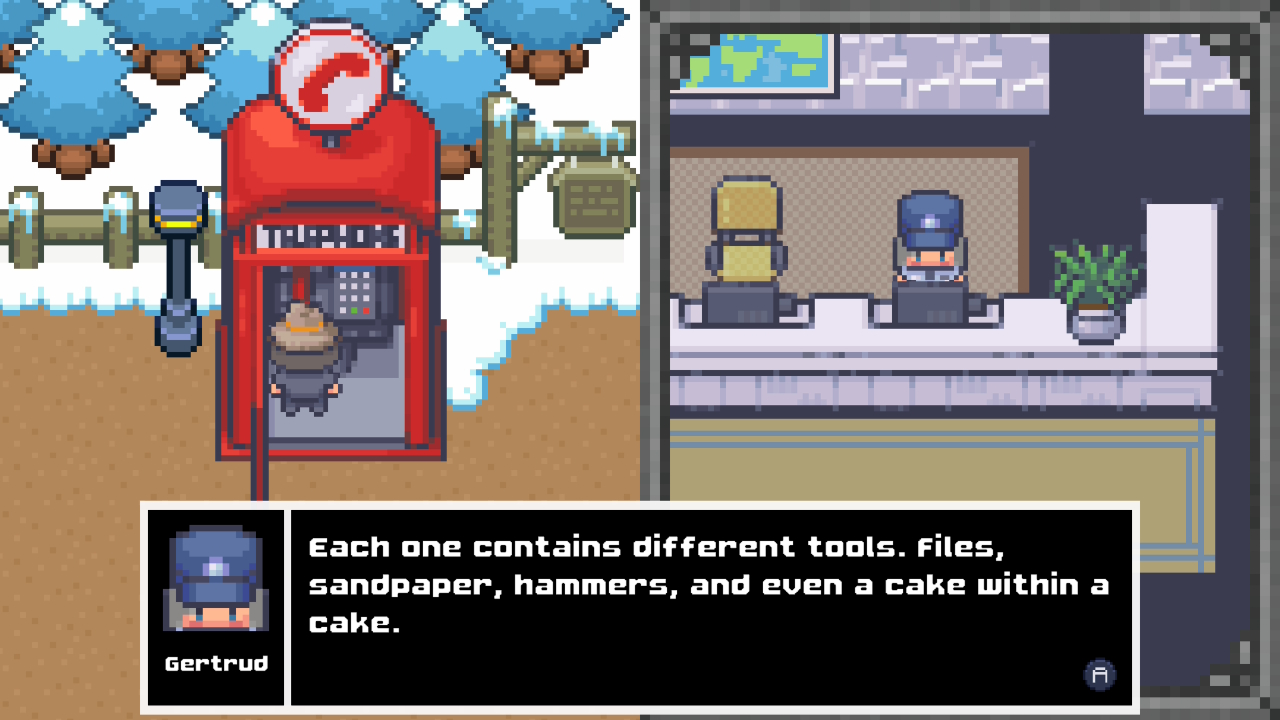
One of the things we enjoyed most was the variety of tasks involved. You aren’t simply walking around until every character has exhausted their dialogue. You’ll examine locations, gather evidence, question suspects, investigate vehicle registration plates and make telephone calls to obtain further information. A notebook tracks your objectives and helps prevent an otherwise respectable detective from forgetting the most obvious lead in the case.
The best moments come when an earlier discovery finally makes sense. You collect a detail, realise it might be useful somewhere else and head back to follow it up. It’s satisfying without being needlessly elaborate.
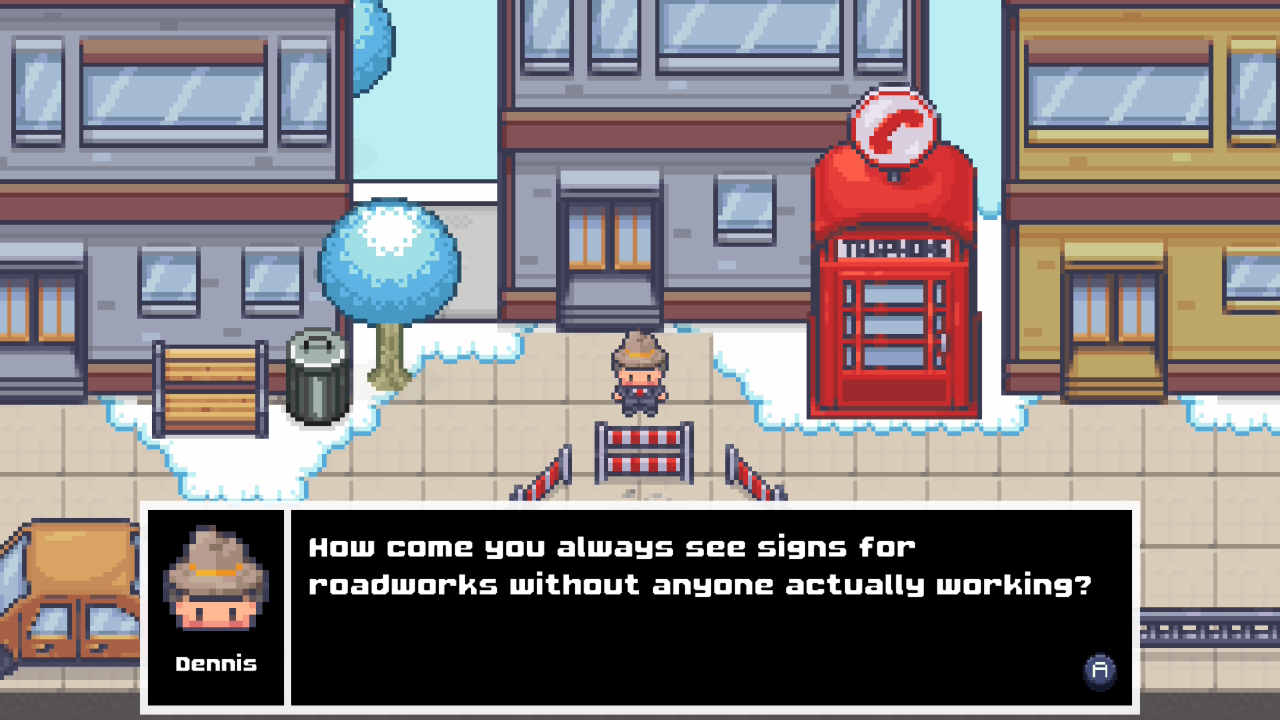
Crucially, the investigation flows remarkably well. There were still moments when we had to stop and think, particularly when moving between locations to find the right information, but the game rarely made us feel as though one wrong answer should earn us an immediate dismissal from the police force.
Mercifully, failure isn’t a criminal offence
Some detective games mistake frustration for difficulty. Make an incorrect assumption, overlook one tiny interaction or approach a situation in the wrong order and you can find yourself staring at a wall of inconvenience rather than enjoying the mystery.
Next of Kin: Epiphany is considerably more forgiving. You still need to pay attention, join the dots and make decisions, but mistakes don’t generally feel designed to waste your time. That approach might disappoint somebody hoping for the most punishing investigation imaginable. For us, it was a real strength.
We were far more interested in discovering the truth than proving we could tolerate an unnecessarily obstinate puzzle.
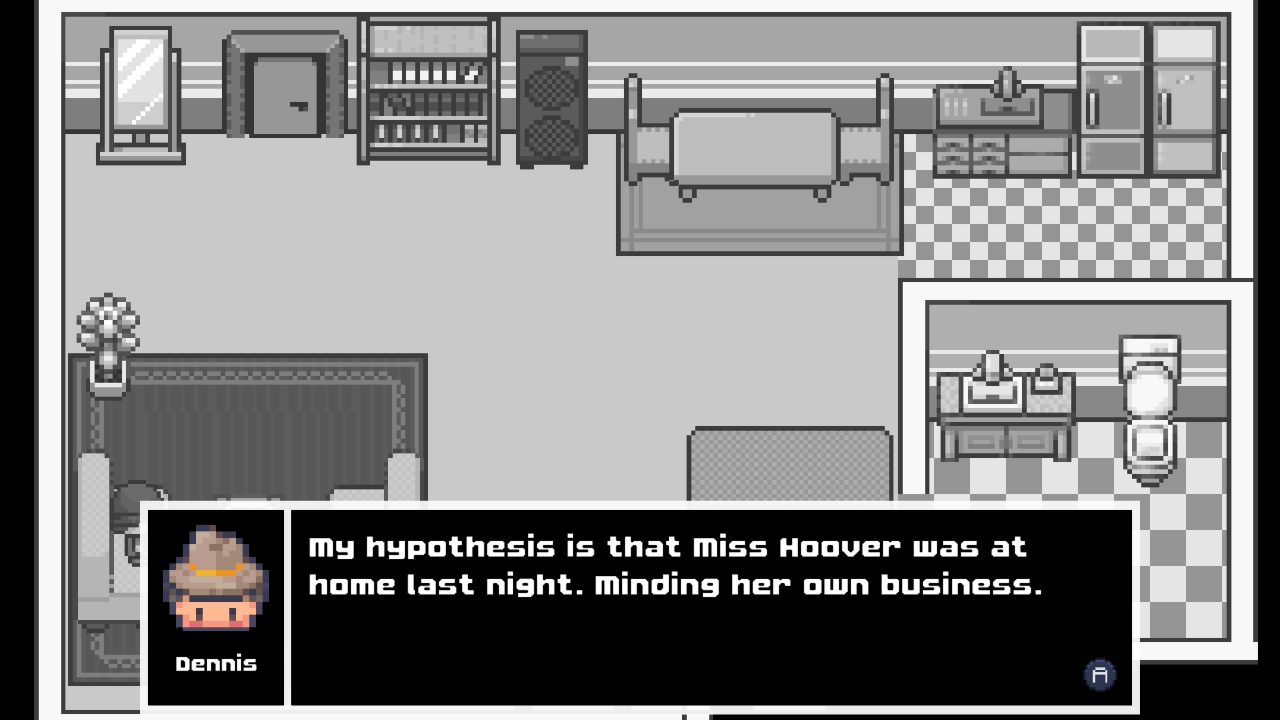
Officer Reely. Yes, really.
Given the dark subject matter, one of the biggest surprises was how much genuine humour the game managed to fit into its story.
Our favourite running joke involved Officer Reely, who has a rather unfortunate relationship with a very common expression. Whenever Dennis says, “Oh, really?”, Officer Reely assumes he’s being summoned and pops up to see what is wanted.
It’s an incredibly silly joke. It made us laugh. And, against all reasonable expectations, it continued making us laugh when the gag appeared again.
More importantly, the comedy doesn’t make light of the murders themselves. It provides a welcome breather between darker moments, giving the characters personality without flattening the tension of the main investigation.
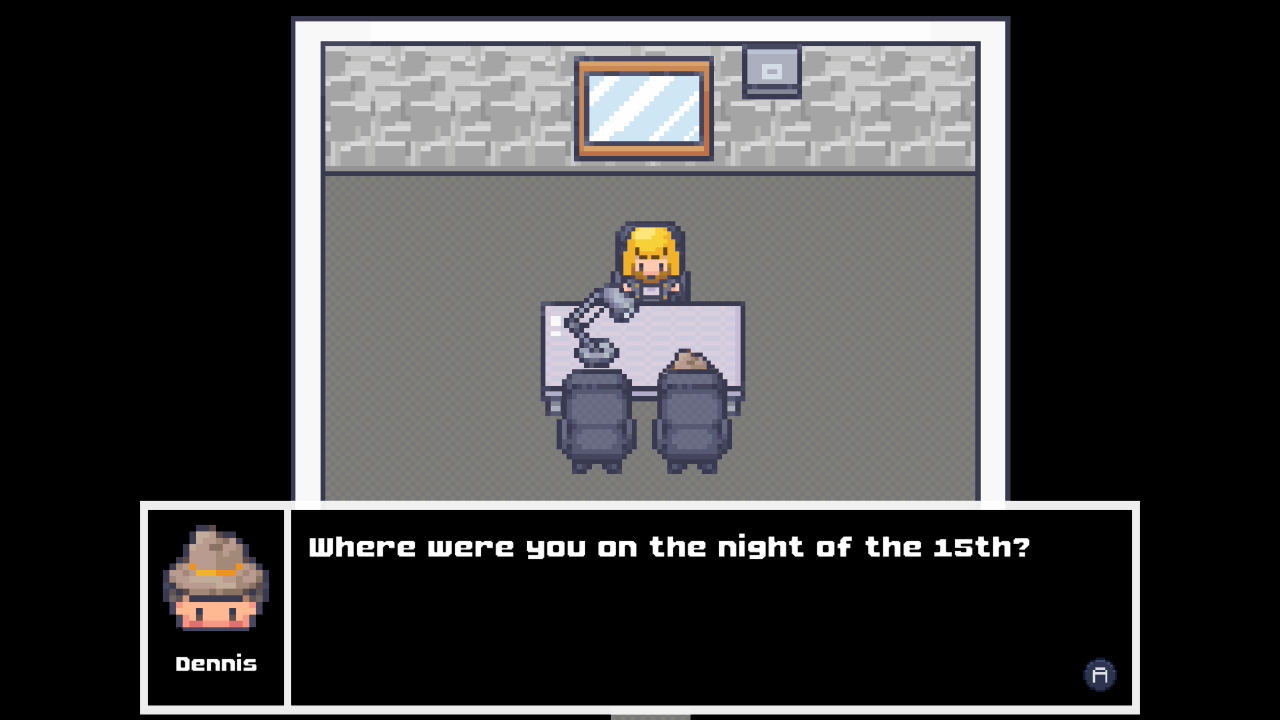
Bright pixels, darker secrets
The pixel-art presentation carries a lovely sense of nostalgia. Its environments are colourful and charming, calling to mind the visual language of older adventure games, even while the story deals with decidedly unpleasant events.
We appreciated the contrast. The game doesn’t need photorealistic crime scenes to make its mystery interesting, and the deliberately stylised world gives it a character of its own.
The soundtrack supports those shifts in tone nicely. Cheerful music accompanies some of the lighter moments, while more sinister sounds arrive when the story takes a darker turn. It all helps the adventure feel cohesive despite the differences in mood.
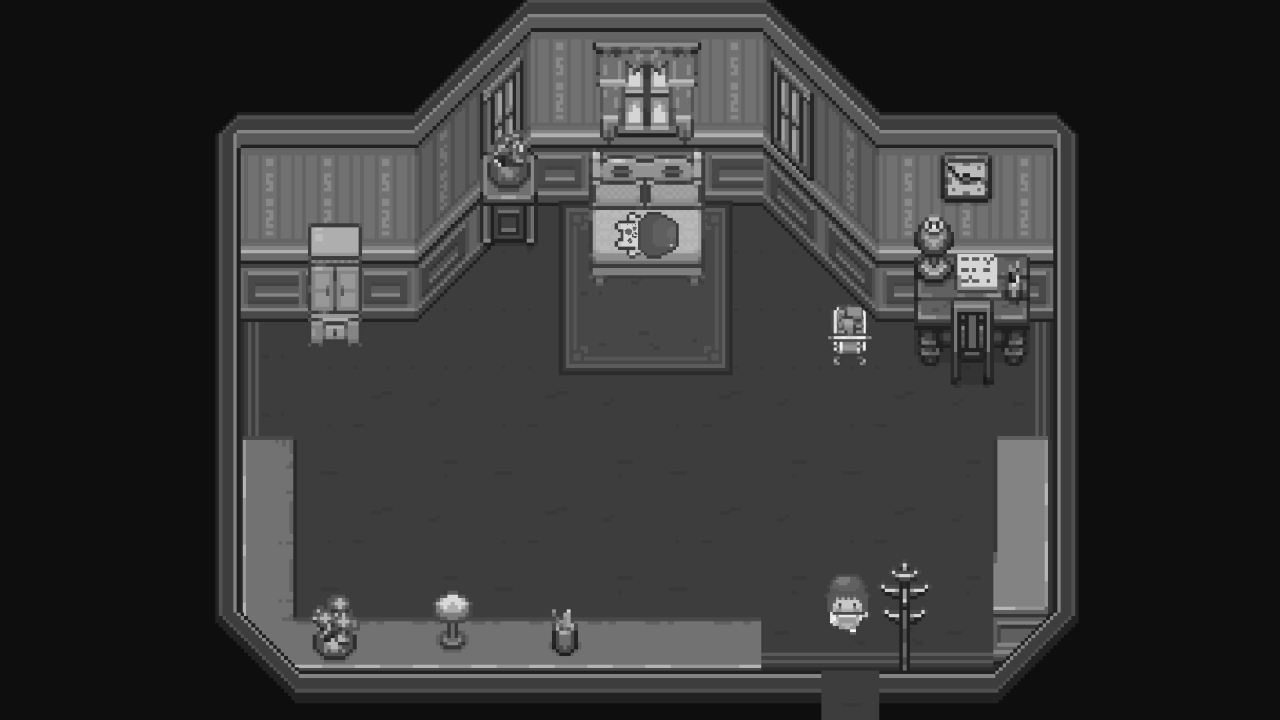
A car chase? In this investigation?
What really kept us engaged was the game’s habit of introducing new situations just when we thought we knew the rhythm. We expected interviews, clues and a fair amount of detective note-taking. We did not expect to find ourselves involved in a car chase.
Those surprises are valuable because they stop the experience from settling into a repetitive routine. They also encouraged us to keep going, wondering what unusual task or revelation would come next.
It’s a fairly straightforward achievement to describe, but not always an easy one to pull off: the mystery made us want to continue investigating.
So where’s the catch?
Here’s the unusual part. Throughout our substantial time with Next of Kin: Epiphany, we genuinely struggled to identify anything we strongly disliked. The detective work offered a pleasing level of involvement, the puzzles rarely felt unfair, the visuals had charm and the humour landed far more often than we’d expected.
Of course, somebody seeking a brutally demanding detective simulation might wish it were less accommodating. That isn’t a flaw we personally encountered, though. It’s more a matter of what you want from the genre.
There is one important limitation to this assessment: we had not reached the conclusion at the time of writing. We made considerable progress through the story, but cannot yet assess whether its final revelations deliver a satisfying resolution. We won’t pretend otherwise, or spoil a finale we haven’t seen.
What we can say is that we intend to go back. The investigation earned that return visit.
Final verdict: 82/100
Next of Kin: Epiphany is a delightfully unexpected detective adventure. It combines an intriguing murder mystery with varied tasks, welcomingly forgiving puzzle design, nostalgic visuals and some brilliantly silly humour. The case is serious, but the game isn’t afraid to give its characters room to be funny.
Although we’ve yet to reach the final reveal, everything we’ve experienced so far has been engaging enough to make us want to finish the investigation. If you enjoy solving mysteries but don’t particularly enjoy being punished for your mistakes, this is certainly worth investigating.
And if you do happen to meet Officer Reely, perhaps try starting the conversation with something other than “Oh, really?”
- An intriguing murder mystery that keeps you curious
- Varied and satisfying detective activities
- Fair, forgiving puzzle design
- Charming pixel art and well-judged audio
- Wonderfully silly character humour
- Very demanding detective-game fans might prefer tougher penalties
- We had not yet reached the ending, so the conclusion remains unassessed
Review by the Coloured Static Press team. Tested on Nintendo Switch 2, playing the Nintendo Switch release. The 82/100 score reflects genuine hands-on progress, not a completed playthrough, and the ending has deliberately not been evaluated. Seven original gameplay screenshots supplied by our team are used across this review: one featured image and six accompanying captures. No AI-generated imagery. Developer and release information checked against Nintendo UK’s official listing.