
Coloured Static Press / Nintendo Switch 2 review / First-person action
Rooftop parkour, throwing stars and robot enemies should make for a lively afternoon. Unfortunately, getting across the city was the easy part. Getting the game to let us progress was another matter entirely.
Promising foundations, but a frustrating hands-on experience.
40/100
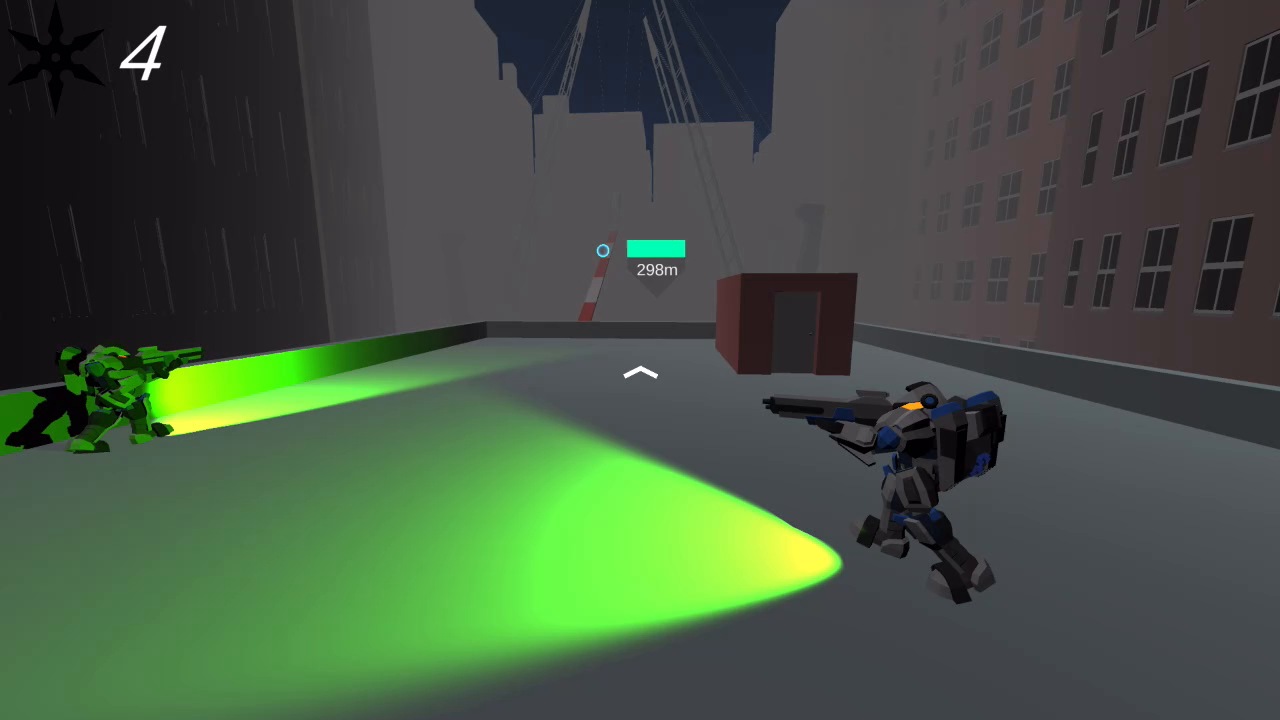
There’s a decent game hiding somewhere inside Jump Protocol. Leaping between rooftops, navigating dangerous obstacles and dealing with robotic enemies has the makings of a fast, energetic first-person adventure. It’s the sort of premise that should make you feel clever when you nail a difficult jump and unstoppable when you find a clean route through the city.
Unfortunately, our experience was considerably less graceful. The controls made basic movement awkward, the world offered little atmosphere, and the objective eventually stopped cooperating altogether. We wanted to give the game a fair opportunity to show us what came next. We tried twice. It didn’t.
An opening menu that barely opens anything
First impressions were not encouraging. Jump Protocol greeted us with an extremely basic blue screen, a play button and four control instructions. No obvious additional settings, no meaningful options to explore, just an invitation to get straight on with it.
Minimalism can work beautifully in a game with a confident sense of direction. Here, though, the sparse start felt less like a design decision and more like a warning about the lack of polish to come. When movement is the centre of your entire game, being able to adjust how it feels is especially valuable.
Still, we were prepared to overlook an uninspiring menu. We had rooftops to cross, after all. How difficult could that be?
Parkour demands precision. The controls didn’t provide it.
Quite difficult, as it happens.
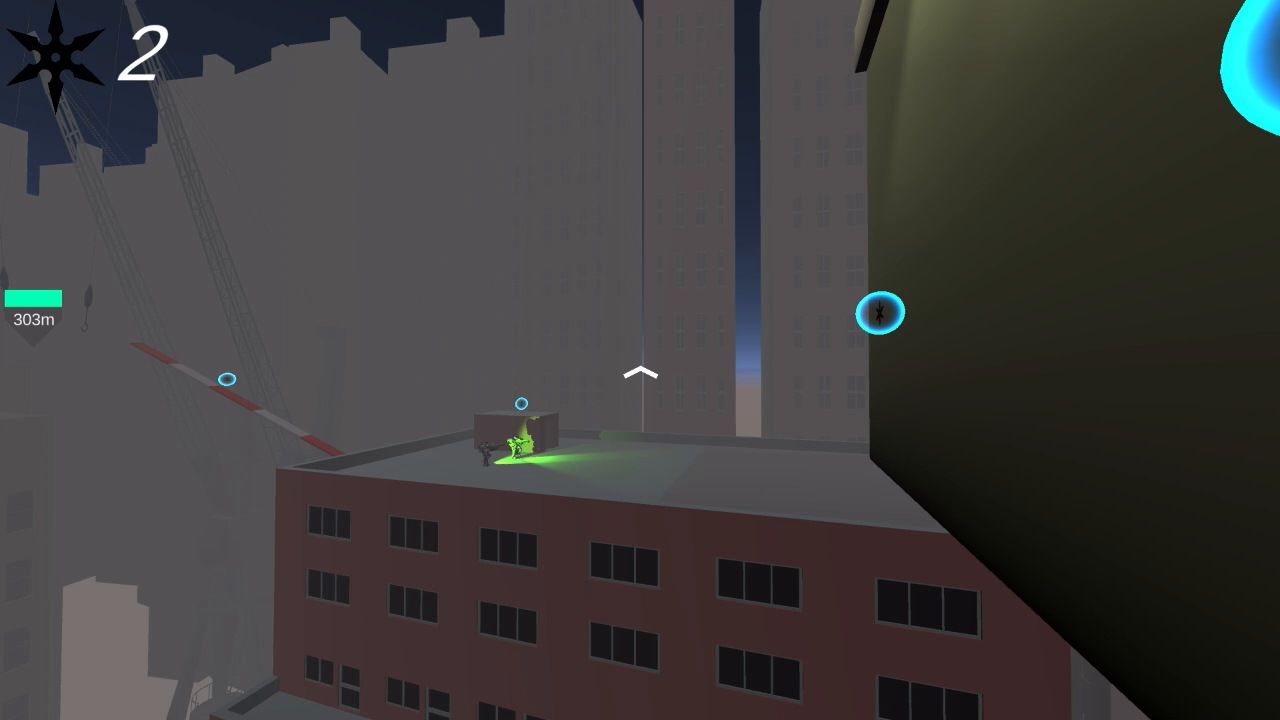
For a game built around navigating gaps and obstacles, the moment-to-moment control should be its greatest asset. It needs to be responsive enough that a missed jump feels like your mistake rather than a disagreement between your hands and the game.
Instead, movement took us a while to get used to. Camera positioning felt awkward, and even after becoming more familiar with the layout, travelling around the rooftops never developed the smooth rhythm we’d hoped for.
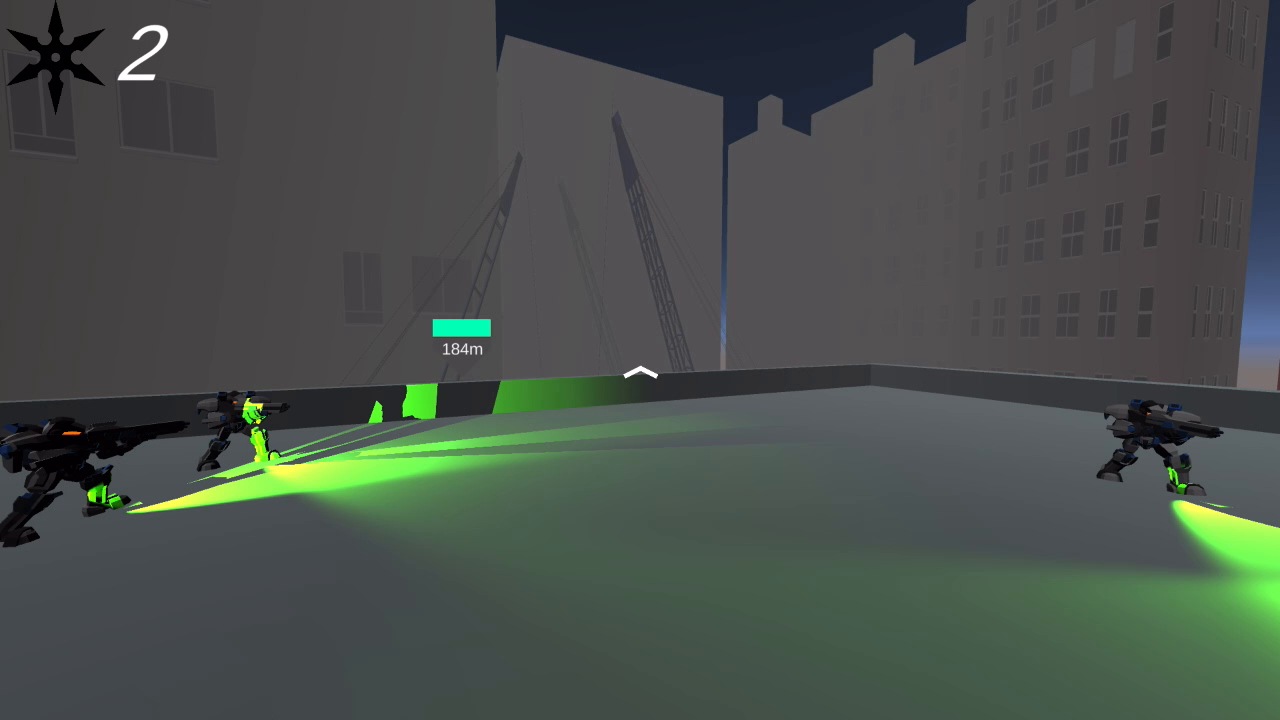
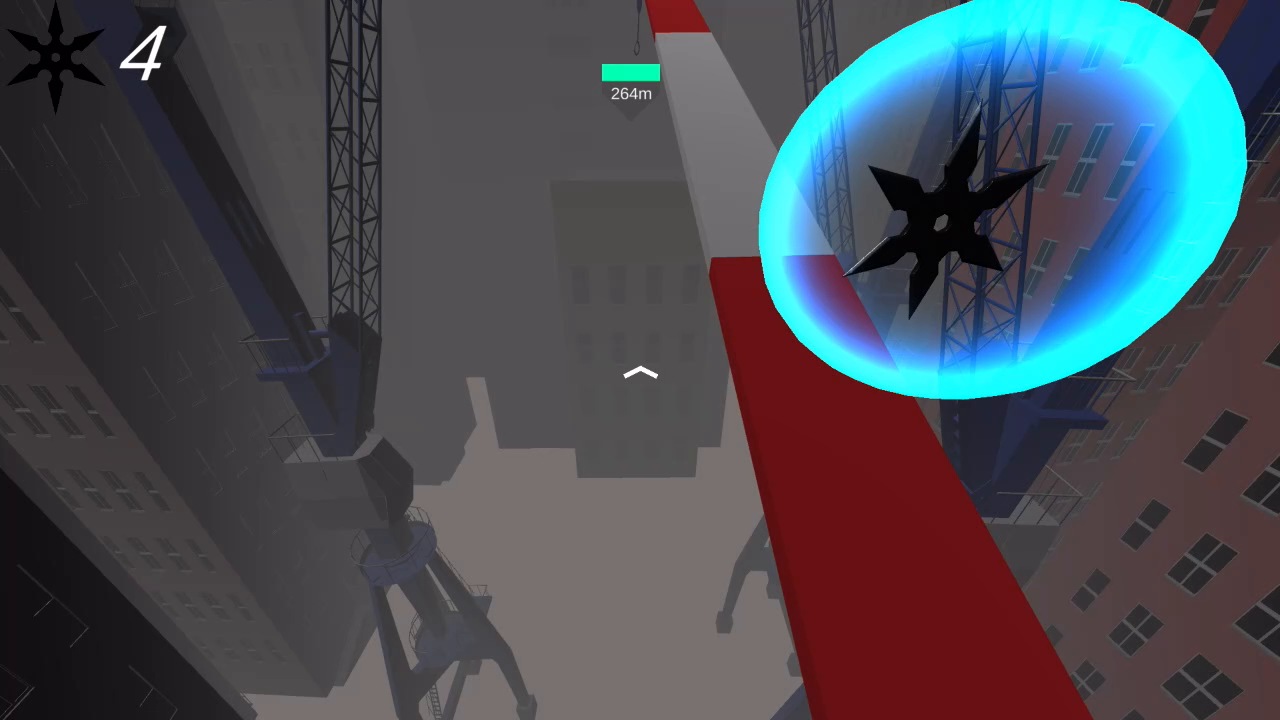
There are recognisable ingredients here. We jumped between buildings, worked around hazards, collected throwing stars and encountered robotic enemies. Those elements promise a mix of traversal and combat, but the underlying controls make it harder to enjoy either side of the experience.
The objective marker disappeared. So did our progress.
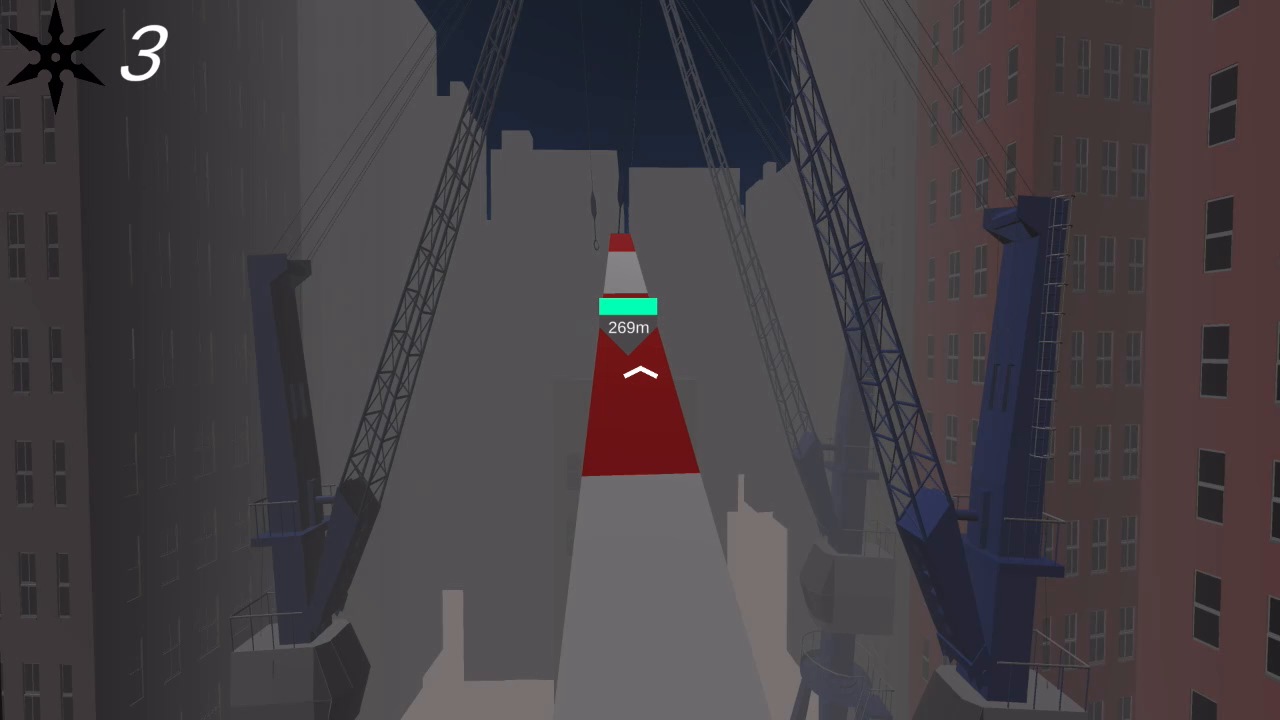
One feature we initially appreciated was the objective marker. It showed the distance to our destination, giving us something clear to aim for while we moved through the city. In a rooftop game where routes aren’t always obvious, that simple guidance is genuinely useful.
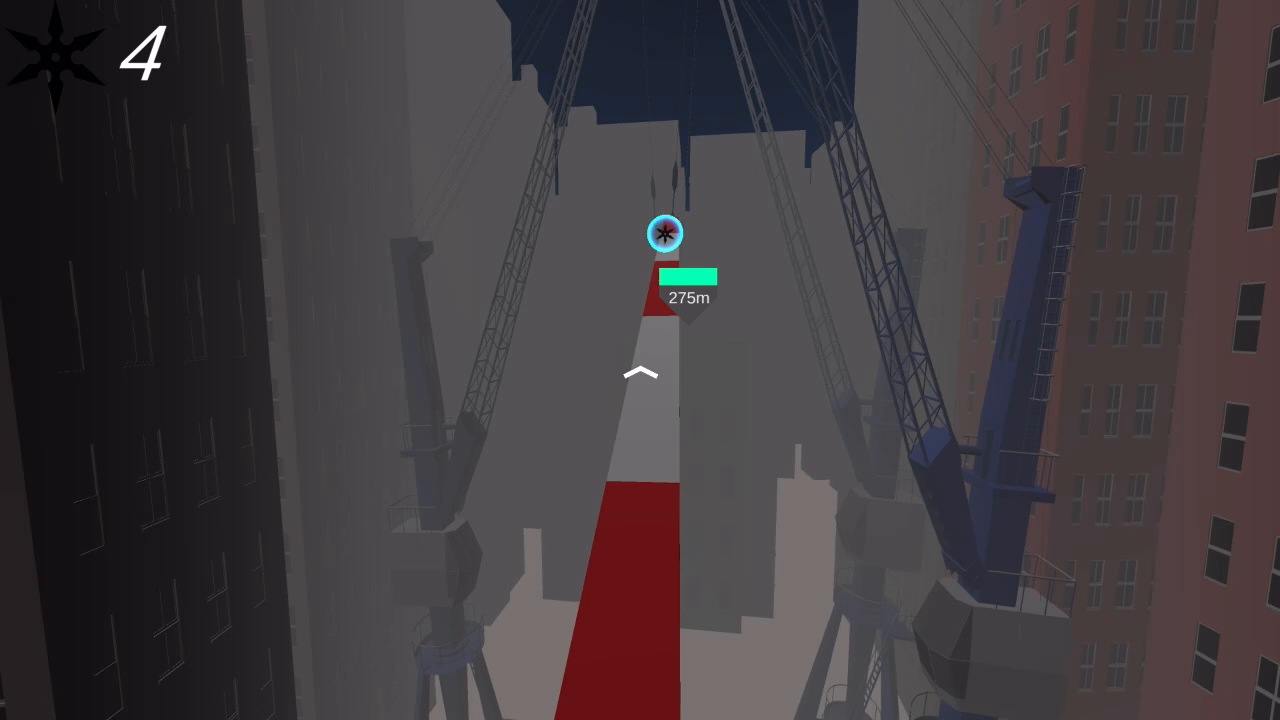
Unfortunately, reaching that destination produced the most frustrating moment of the entire review.
The marker disappeared. Nothing appeared to happen. We explored the surrounding area, trying to work out whether we’d missed an interaction, approached from the wrong direction or overlooked some essential instruction. We found no obvious way forward.
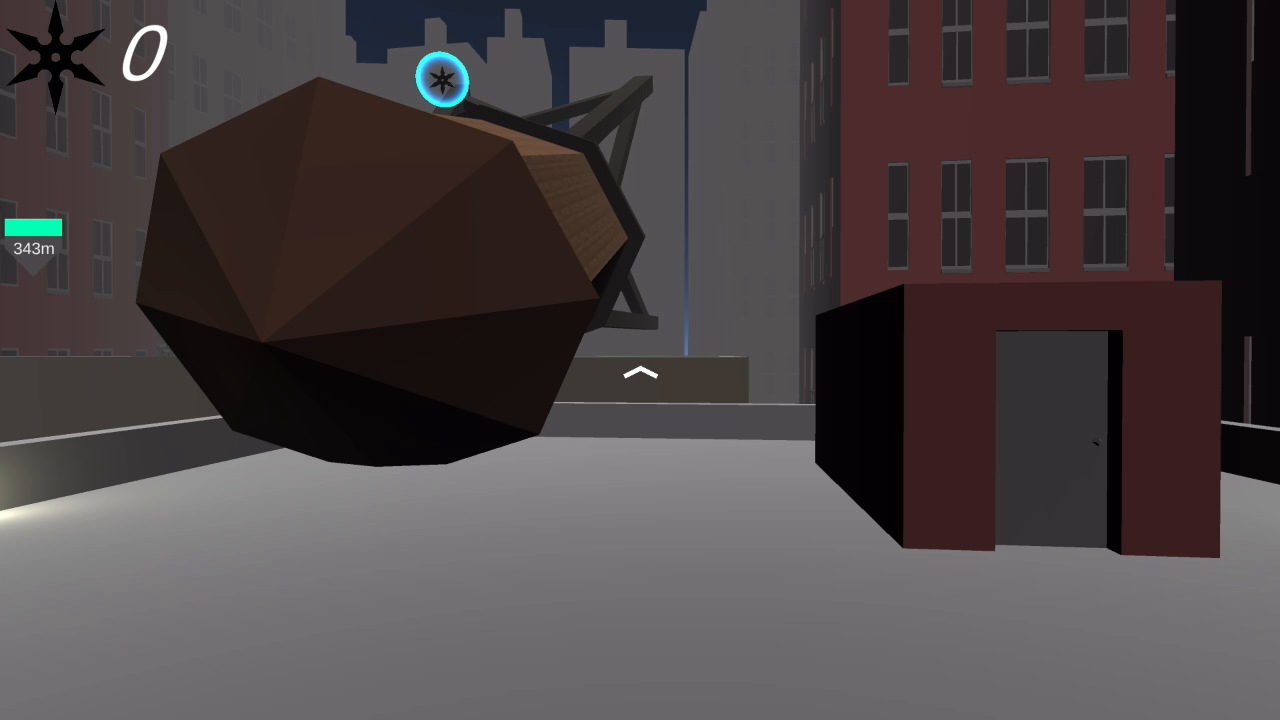
Worse, we couldn’t find an accessible pause or restart menu from within the game. Eventually, the only practical option seemed to be closing the software and starting again.
We did exactly that, giving the objective another chance to behave itself. The second attempt ended in the same place, with the same disappearing marker and no clear way to continue.
We can’t say definitively whether this was a progression bug or a failure to communicate the next step. We can say that, on both attempts during our Nintendo Switch 2 testing, we were unable to advance beyond that point. That’s an important distinction, and one we won’t gloss over.
The idea of a precision platformer is to test whether you can reach the destination. We reached it. Twice. The destination apparently had other plans.
A city that needs more life
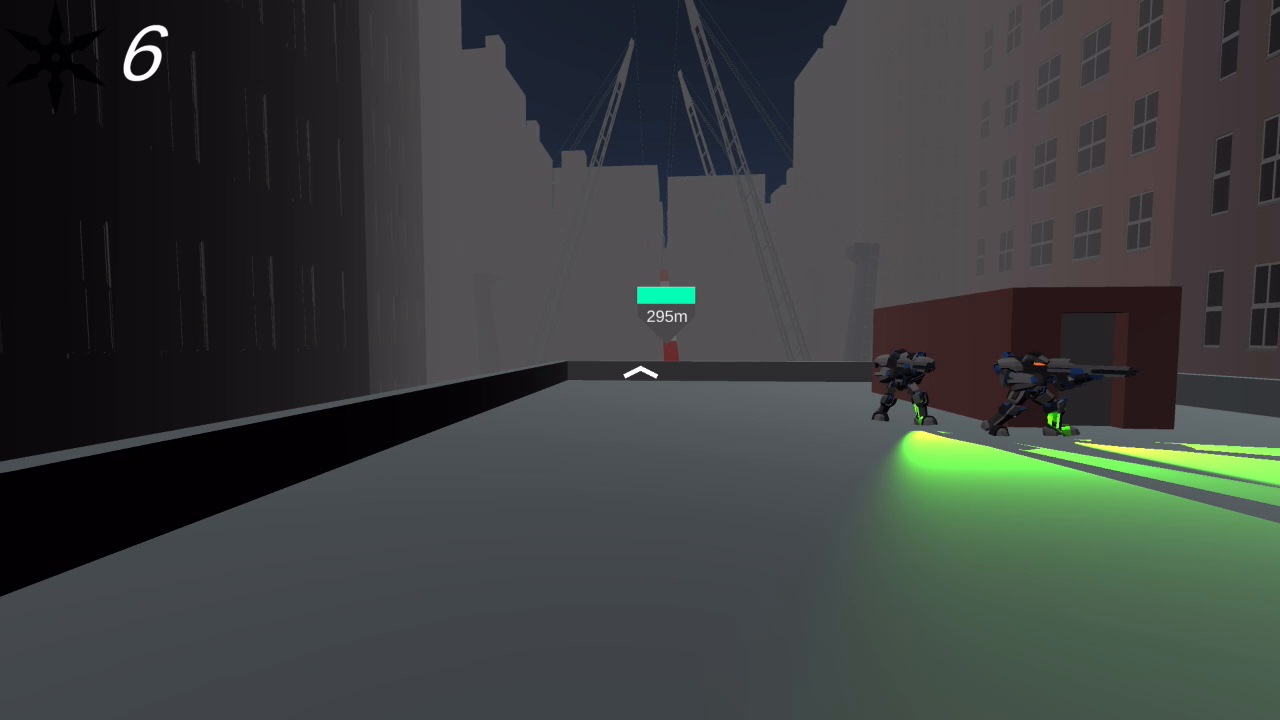
Even before our progression came to a halt, the presentation wasn’t helping the game make a stronger impression. The environments looked basic and repetitive, with little visual detail to make the city memorable or help individual areas stand out.
There’s nothing inherently wrong with a restrained visual style. Some excellent games are built around deliberately simple geometry and clean silhouettes. The difference is whether that simplicity creates clarity, atmosphere or a strong artistic identity. Here, we found ourselves looking for more of all three.
The lack of noticeable audio accompaniment during our playtime made the spaces feel even emptier. Rooftop action benefits enormously from sound: movement, combat and a sense of surrounding activity can all lend energy to an otherwise sparse environment. Without much of that atmosphere, the city felt strangely lifeless.
We also noticed several grammatical mistakes in the dialogue, another small but visible sign that the overall experience could benefit from a more thorough polish.
The foundations are there. The finish isn’t.
What makes Jump Protocol frustrating is that its central concept isn’t the problem. We can see how satisfying this style of game could become with smoother controls, clearer objectives, a more interesting cityscape and a soundtrack that gives those rooftop dashes a little urgency.
But those are not minor decorative extras in a parkour action game. They’re central to whether the experience works. And a progression issue that repeats after a complete restart makes it very difficult to judge what the rest of the game might have offered.
We aren’t claiming to have played through content we couldn’t reach, nor are we declaring that every player will encounter the same fault. This is a review of what actually happened during our two attempts, and what happened was enough to prevent us from recommending the game in its present state.
Final verdict: 40/100
Jump Protocol has an appealing rooftop-parkour premise, but its execution left us disappointed. Awkward controls undermine the precision its platforming demands, plain environments and limited audio leave the world short of personality, and the apparently broken or unclear progression at our objective stopped us in our tracks twice.
We persevered because we wanted the game to get better. Instead, we reached the same dead end. There is room for the concept to grow, and we’d welcome improvements to its fundamentals, but the experience we had on Nintendo Switch 2 felt unfinished.
We set out to conquer the rooftops. We hadn’t expected the final obstacle to be the objective marker itself.
- An appealing rooftop-parkour concept
- Potential variety from movement, combat and throwing stars
- A useful destination marker, while it works
- Awkward movement and camera controls
- No accessible in-game pause or restart option found
- The same progression dead end on two attempts
- Basic, repetitive environments
- Limited audible atmosphere and dialogue errors
Review by the Coloured Static Press team. Tested on Nintendo Switch 2 using the Nintendo Switch release. Our 40/100 score reflects genuine hands-on play across two attempts, both halted at the same apparent progression issue. We cannot assess content beyond that point. Original gameplay observations supplied by the CSPress team; no invented testing or AI-generated screenshots. Release and publisher information checked against Nintendo’s official listing.