Reviewed by the Coloured Static Press team / Game review / Point-and-click adventure
There are three i’s in Gobliiins. After spending time with its earliest puzzles, we started to suspect at least one of them represented a prolonged scream. This delightfully peculiar collection offers a nostalgic journey through a series that has always preferred its own logic to anyone else’s. It is funny, colourful, oddly endearing and, occasionally, a direct threat to your remaining patience.
Five games, several decades, and absolutely no interest in ordinary logic
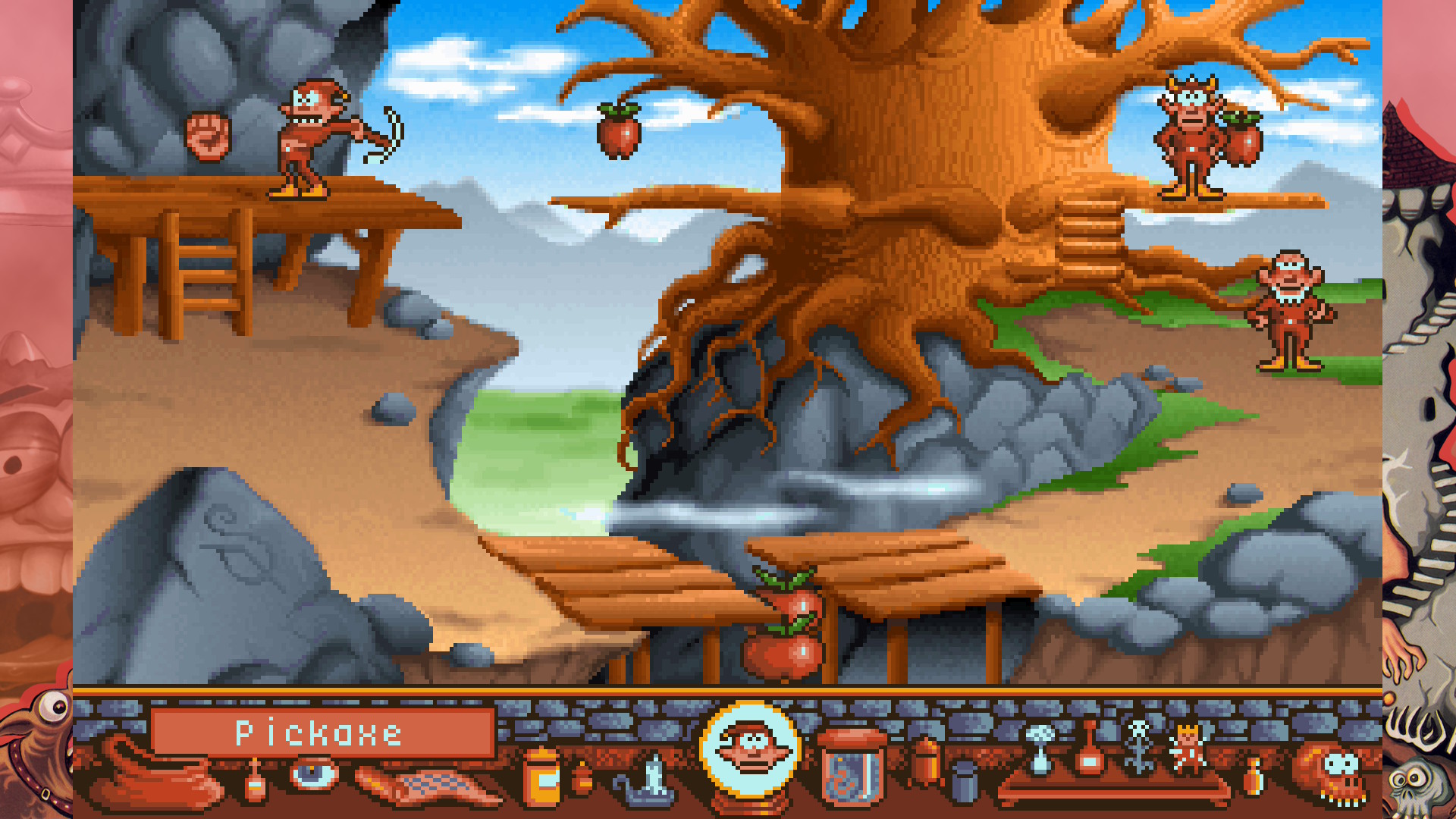
Created by Pierre Gilhodes, the series began in 1991 with Gobliiins, followed by Gobliins 2 in 1992 and Goblins 3 in 1993. Gobliiins 4 brought the odd little world into 3D in 2009, while Gobliiins 5 returned to 2D in 2023. Red Art Games has gathered all five into this modern console collection. There is even an interview with the creator, artwork and a music player for anyone who wants to spend longer in this gloriously strange corner of gaming history.
We spent our time with the first four entries, and those are the games behind our hands-on assessment. The fifth completes the package, but we will not pretend to have playtested it. Even across those earlier adventures, there is plenty to unpack. Each asks you to explore self-contained scenes, experiment with your surroundings and make your way through puzzles whose solutions sometimes seem to have been approved by a committee of extremely confident goblins.
The first game called. It wants its walkthrough back.
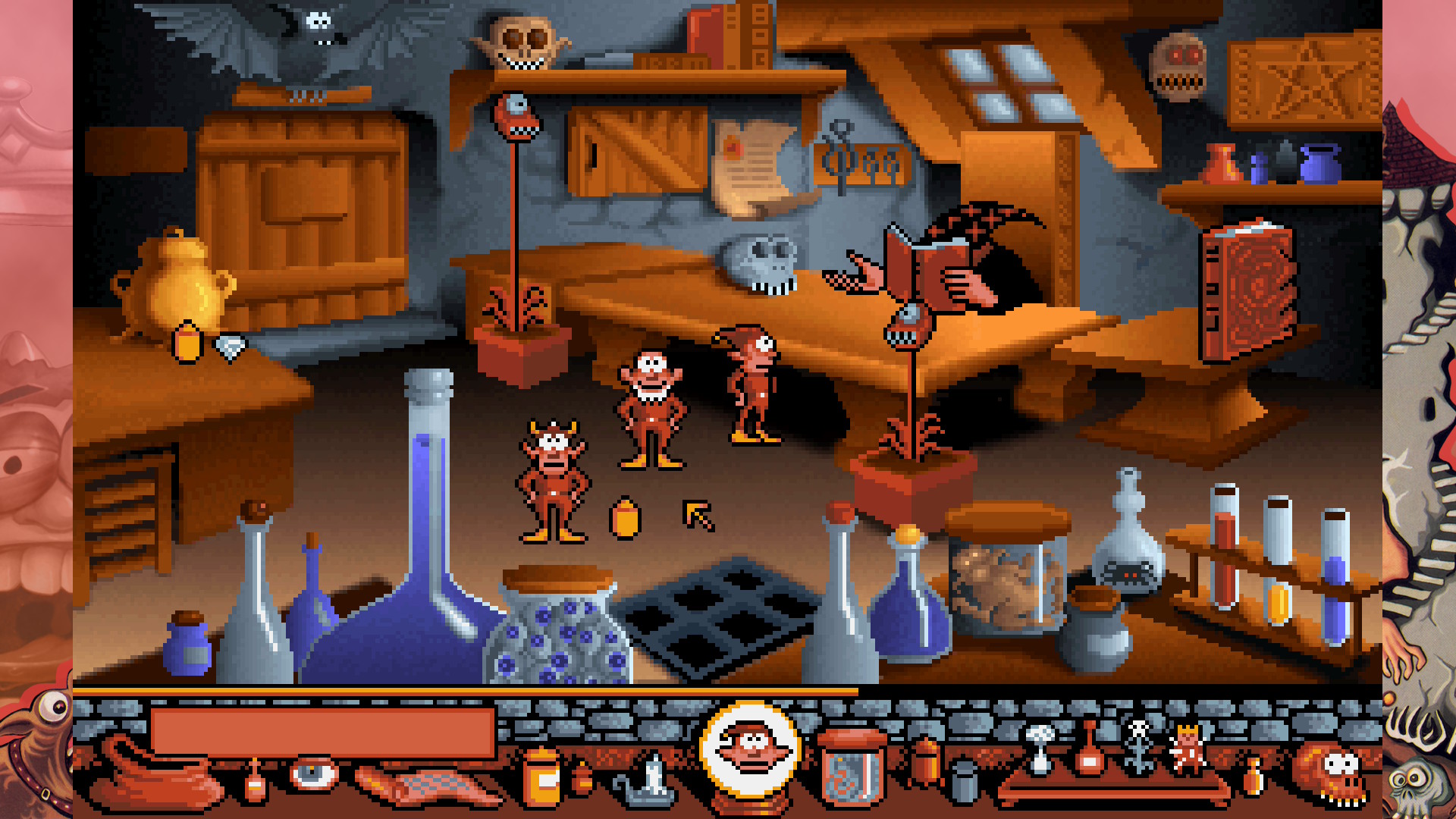
We enjoy a good puzzle. We enjoy feeling clever when a solution finally clicks. What we enjoy rather less is reaching for Google before we have established what the game is actually asking us to accomplish. That was our experience with the original Gobliiins: walkthroughs became less of a last resort and more of an unofficial fourth party member.
The age of the game made that rescue mission even more interesting. Finding useful guidance for a title from 1991 is not always as simple as searching for something released last Tuesday. At times, we were trying to solve two mysteries simultaneously: what the goblins wanted us to do, and where on the internet somebody had explained it.
There is an important difference between a puzzle that asks you to think creatively and one that gives you so little direction that creative thought starts to feel like guesswork. The first game strayed into that territory more often than we would have liked. When success arrived, it could feel wonderful. On other occasions, it felt suspiciously like being right by accident.
There are some welcome modern concessions. The first three games now offer a hotspot hint system that highlights interactive areas, while the ports also improve level restarts and chapter access. Those changes make this history easier to revisit, but highlighting something you can click is not quite the same as explaining why the answer involves clicking it. Our frustration was with the underlying puzzle logic, rather than a claim that the collection provides no help at all.
Eventually, the goblins and our brain began speaking the same language
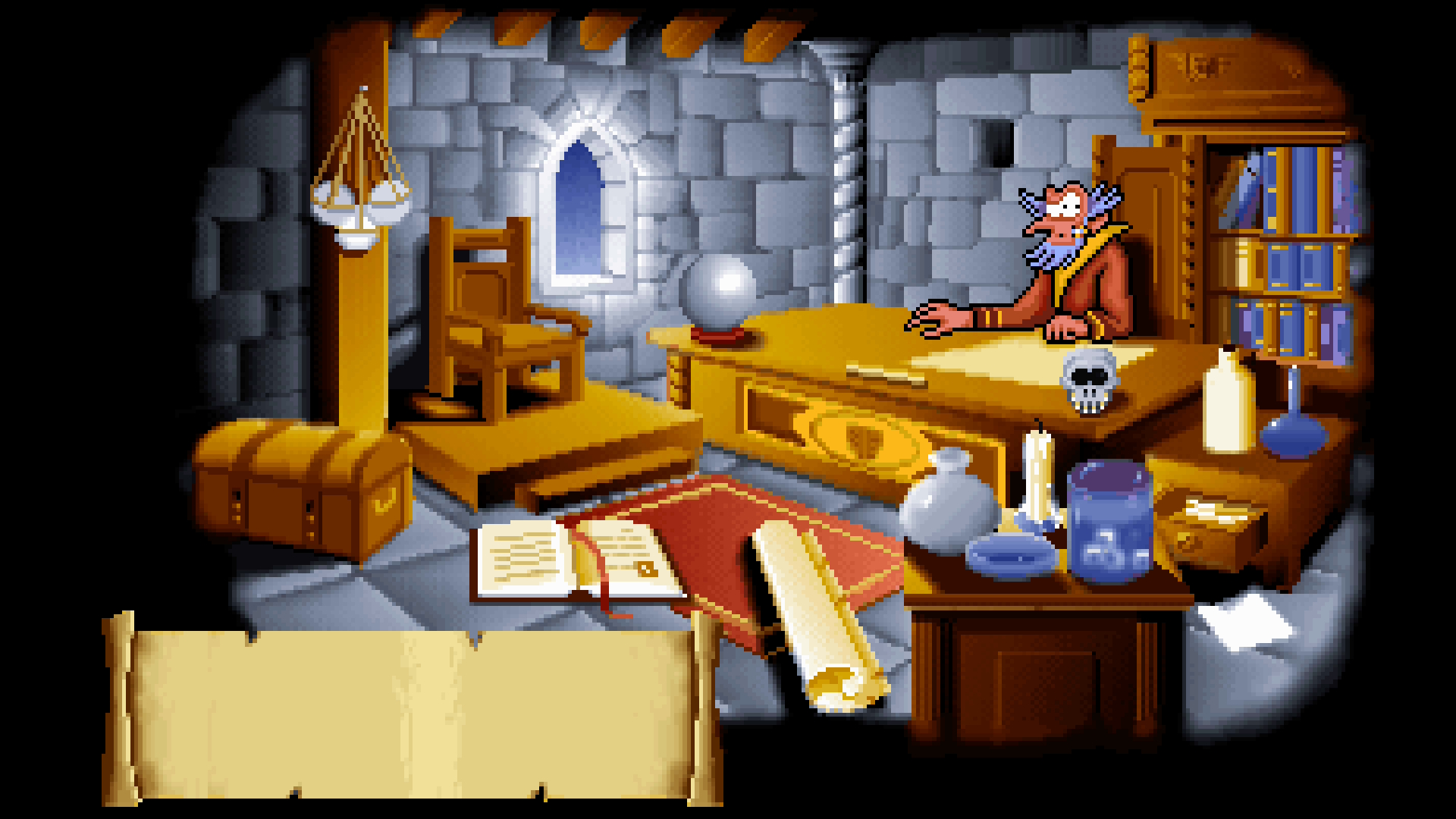
Thankfully, the experience improved as we worked further into the collection. In the second game, we started working out a few answers for ourselves. By the third and fourth, our dependence on the search engine had dropped considerably. Whether that was better puzzle communication, a developing familiarity with the series’ strange rules, or simply our brains adapting to goblin-based nonsense, we will take the progress.
The basic idea is often entertaining: observe an environment, experiment with objects and characters, watch what happens and try to turn that discovery into a route forward. Some answers are ridiculous in exactly the right way. The games reward curiosity, but they also demand a willingness to try things that would make very little sense anywhere outside their own universe.
When that balance works, the result is a genuine little triumph. When it does not, the satisfying ‘of course!’ moment is replaced by the less triumphant ‘how was anyone supposed to know that?’ There were enough of both for our feelings about the collection to remain stubbornly mixed.
A cartoon personality that refuses to grow old
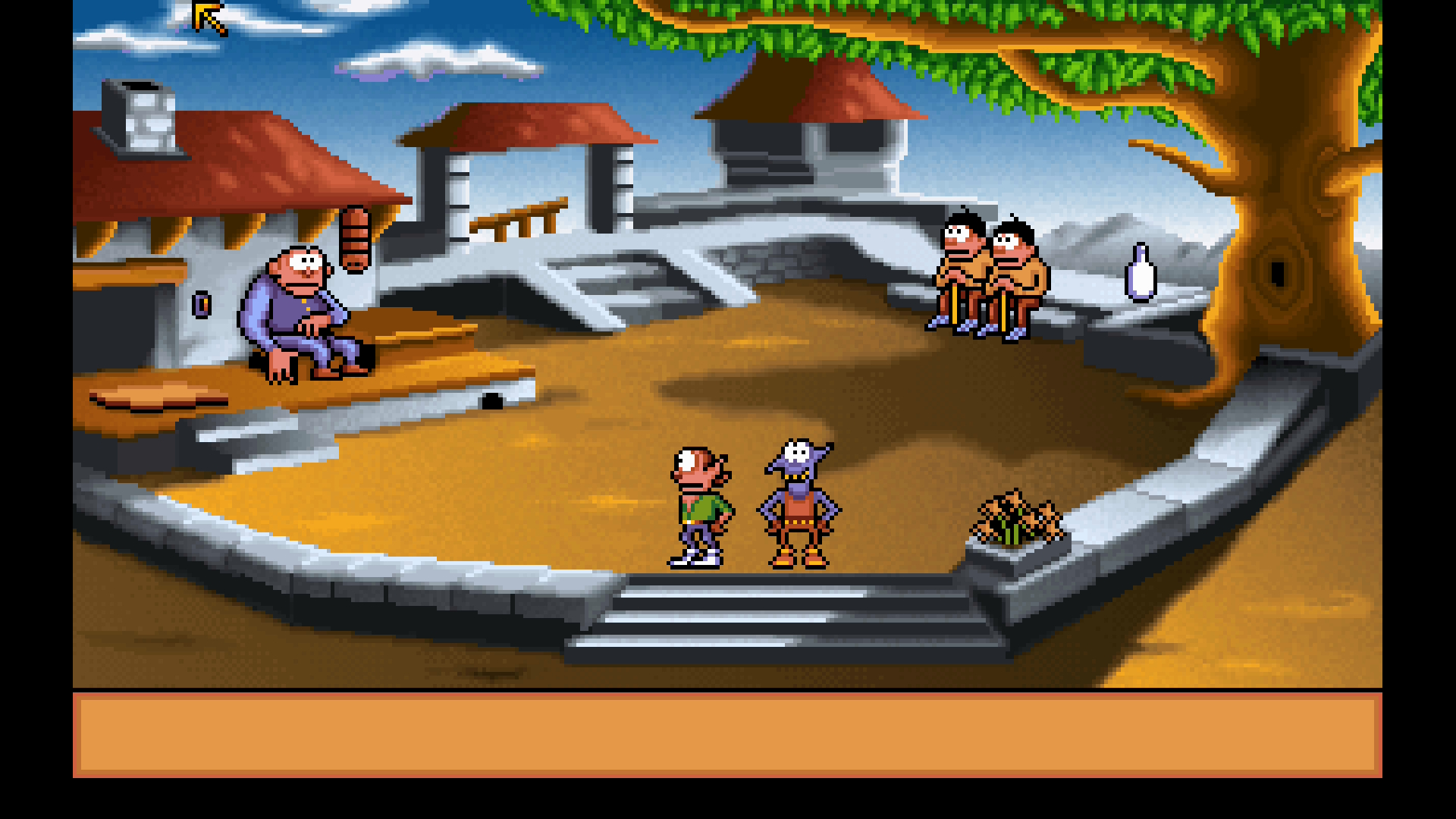
What never really became a problem was the collection’s sense of character. The early games’ colourful pixel art and exaggerated expressions remain charming, even decades removed from their original release. Environments are packed with peculiar details, and the little characters have an impressive ability to make even a failed interaction worth watching.
We were often more entertained by the reactions to our mistakes than the solutions themselves. There is something genuinely lovable about a game willing to turn a wrong answer into a miniature slapstick routine. The fourth game’s move into 3D naturally changes the visual flavour, but the series’ commitment to oddball humour remains its most recognisable quality.
The audio plays its part too. When the cheerful music kicks in, it gives the scenes a welcome sense of playfulness, while the eccentric sound effects work hand in hand with the animations. It is an old-fashioned kind of charm, unashamedly daft and all the better for it.
Point, click, and perhaps find an actual mouse
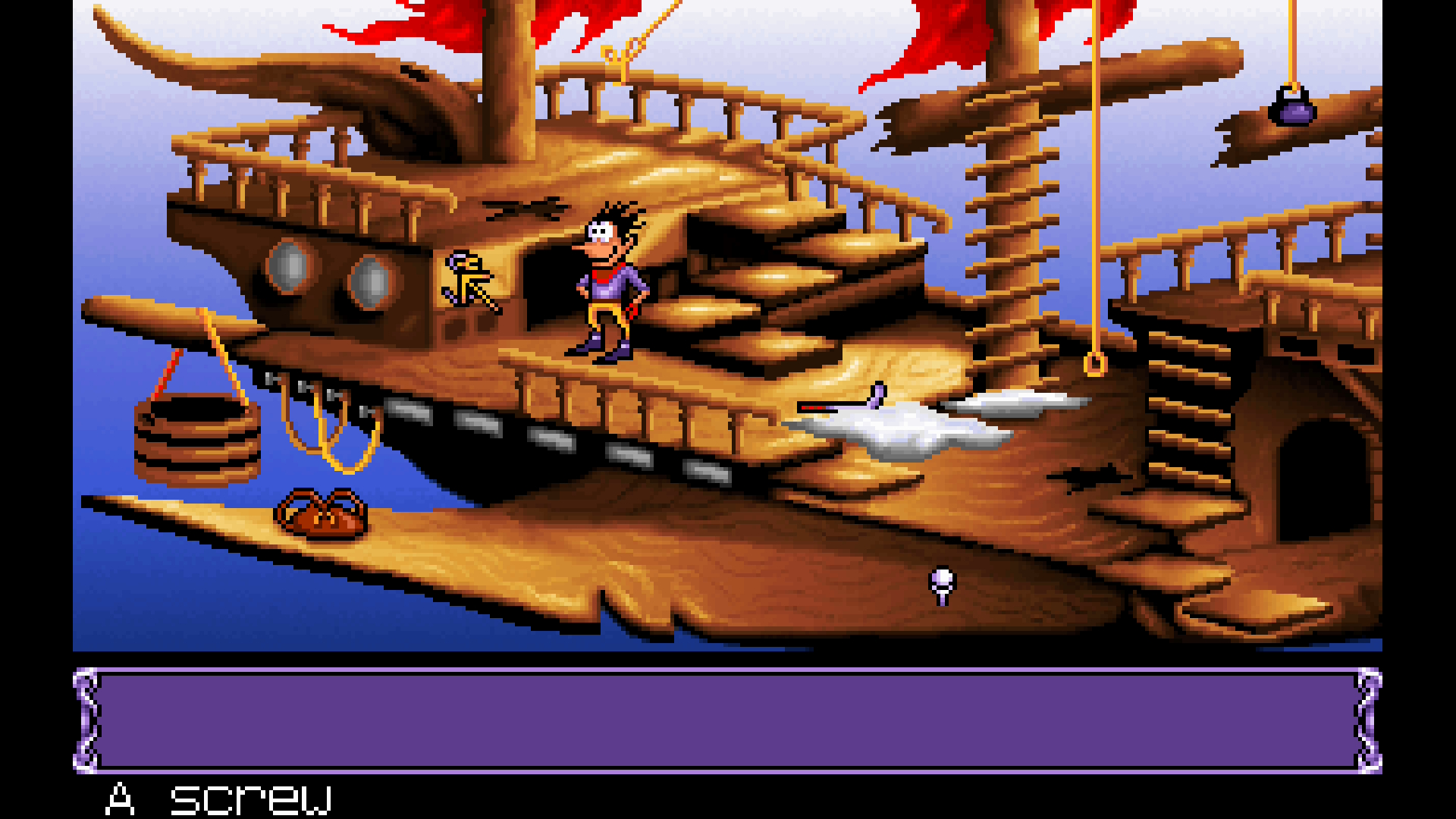
The controls were straightforward enough during our time with the games, so this was not a case of wrestling with an impossibly complicated interface. Nevertheless, we kept thinking about how naturally these adventures would suit a mouse. They were born in the PC point-and-click era, and that heritage is impossible to miss.
There is a useful distinction for anyone playing on Nintendo’s newer hardware: the separately released Nintendo Switch 2 edition officially supports Joy-Con 2 mouse controls. That is a feature of the release, not something we are claiming to have tested here, but it is certainly relevant to the kind of interaction these games were designed around.
A charming collection that never quite got its hooks into us
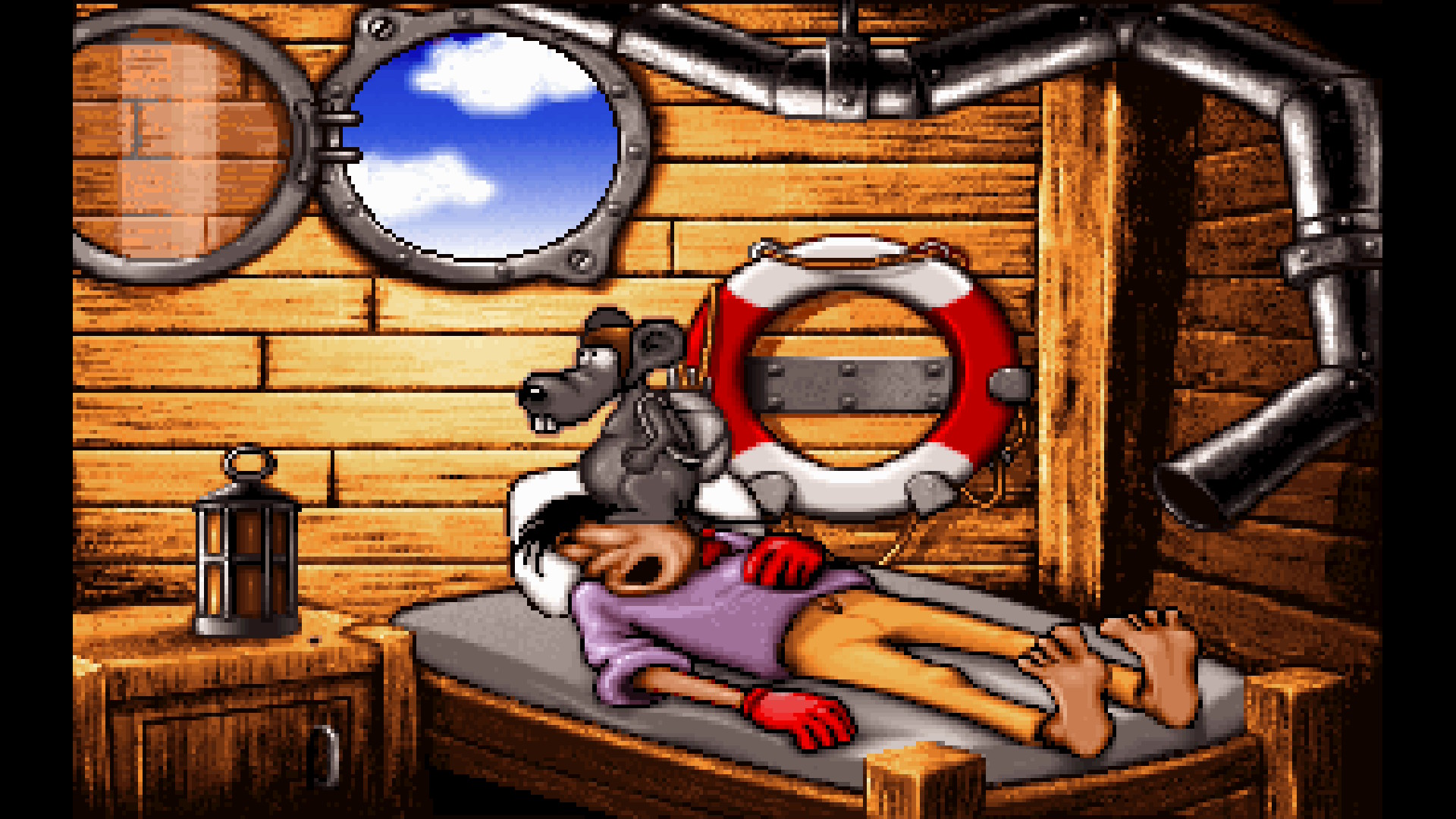
The hardest part of reviewing Gobliiins Collection is that we can appreciate what makes it special without pretending we were consistently having a brilliant time. Its visual personality is lovely. Its humour works. There are genuine moments of satisfaction when an outrageous solution finally reveals itself. And preserving these games together, with historical extras, gives curious newcomers a chance to see an unusual strand of adventure-game history.
But enjoyment cannot be measured purely by how fondly we look at something afterwards. There were stretches when we spent more time scratching our heads, seeking assistance or wondering what the objective was than actually enjoying the puzzle in front of us. The collection improved as we progressed, but it did not entirely overcome that frustration.
There will absolutely be players for whom this is a dream compilation. If you grew up with the series, relish obscure adventure-game logic or enjoy poking at every object until something wonderfully stupid happens, there is a generous helping of personality here. If you prefer puzzles that communicate their aims clearly and make the eventual answer feel earned, you may find your patience wears thin well before the goblins run out of ideas.
The verdict
Gobliiins Collection is a lovingly odd trip through a distinctive point-and-click lineage. We enjoyed the expressive artwork, cheerful sound, absurd character animations and the feeling of finally solving a puzzle without outside help. We were much less fond of the early game’s near-impenetrable logic, the sometimes unclear objectives and the nagging sense that frustration was doing more work than fun.
It is difficult to dislike these little troublemakers. It is considerably easier to wish they would give you the occasional sensible hint. We can see why the series has its admirers, even if this particular expedition left us reaching for the search bar more than we wanted.
CSPress verdict: 70/100. Charming, eccentric and historically interesting, but not always enjoyable to untangle. Bring curiosity, patience and perhaps a browser tab you do not mind leaving open.
Editorial sources: Red Art Studios, official collection details; Nintendo UK, Switch 2 release details. First-hand opinions are drawn from the supplied CSPress playtest notes.