
COLOURED STATIC PRESS / GAME REVIEWS / EARLY ACCESS REVIEW
We wanted to play god, build a happy little civilisation and watch our followers flourish. Twenty-nine days later, the Reapers arrived to explain why reading the fine print on an altar charm is rather important.
REVIEW SCORE81/100
Being a god is mostly crisis management
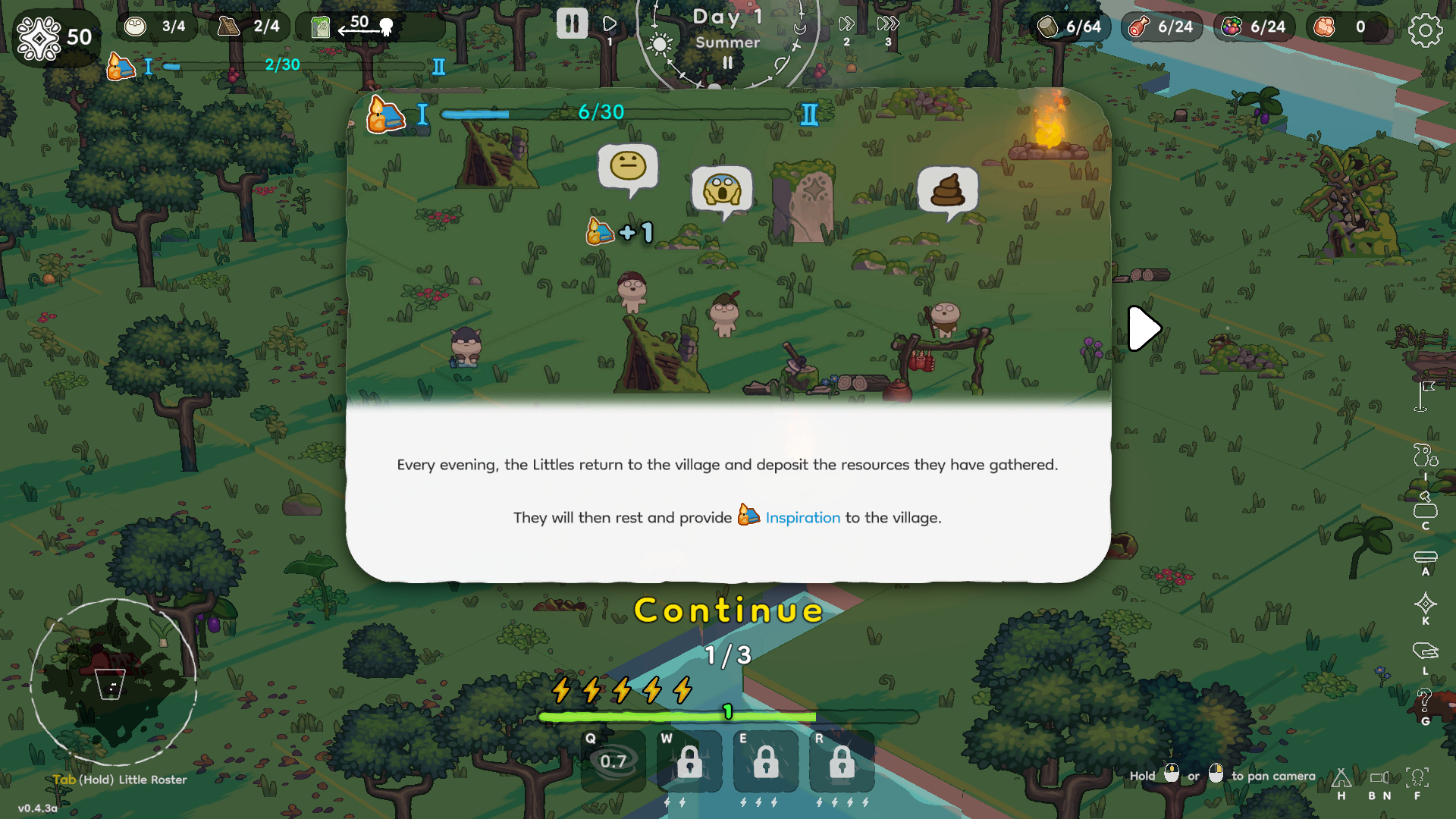
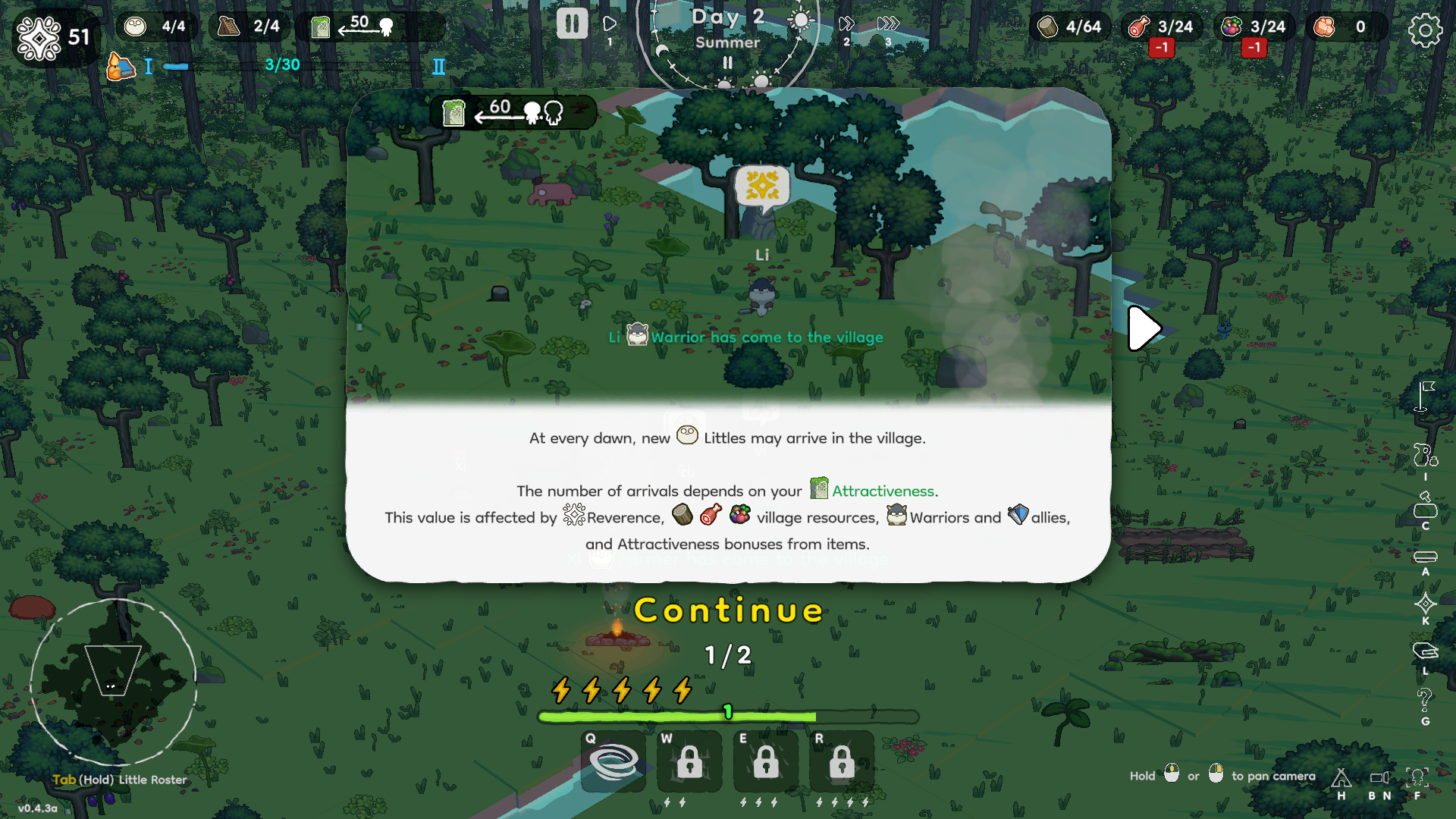
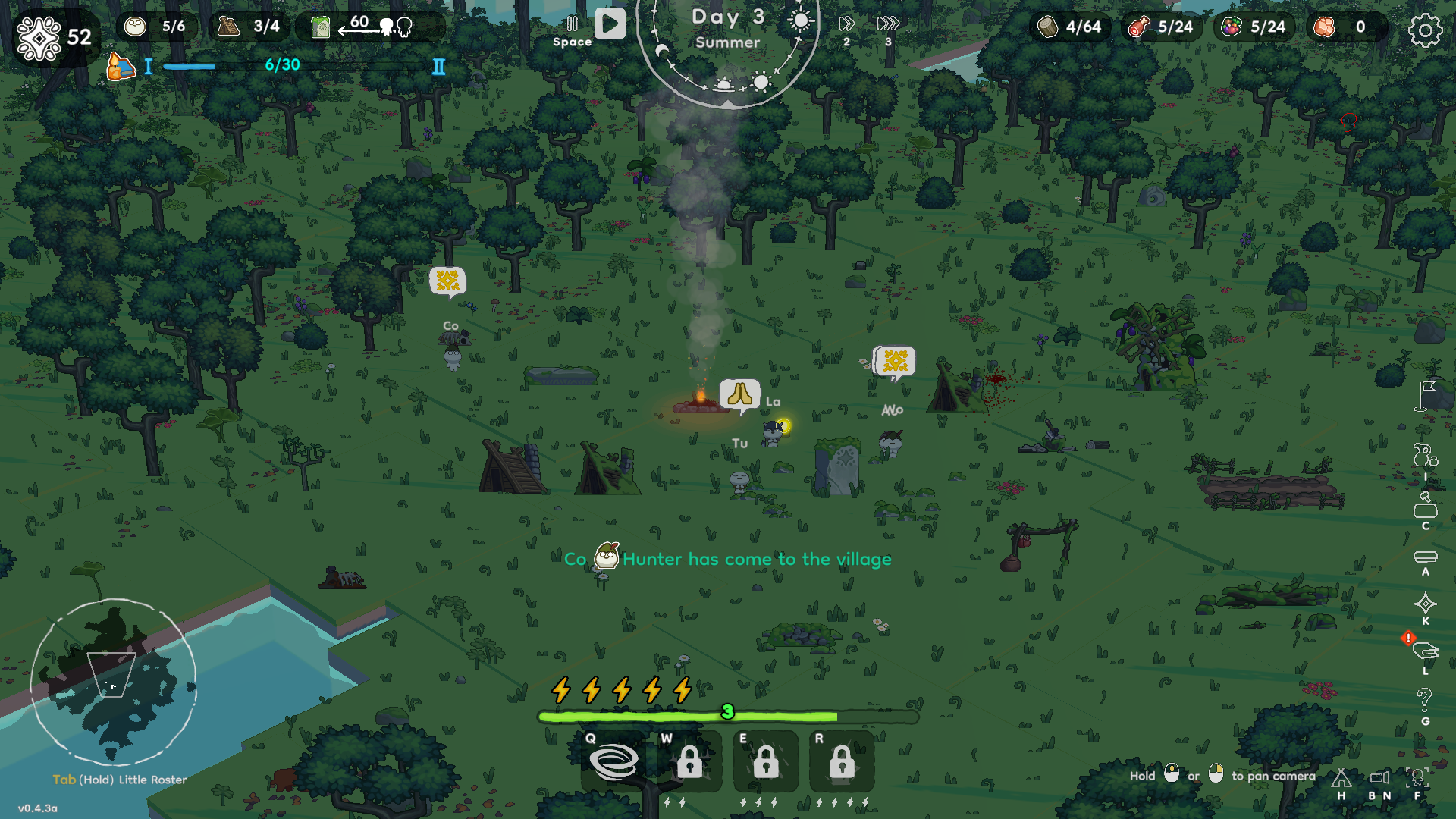
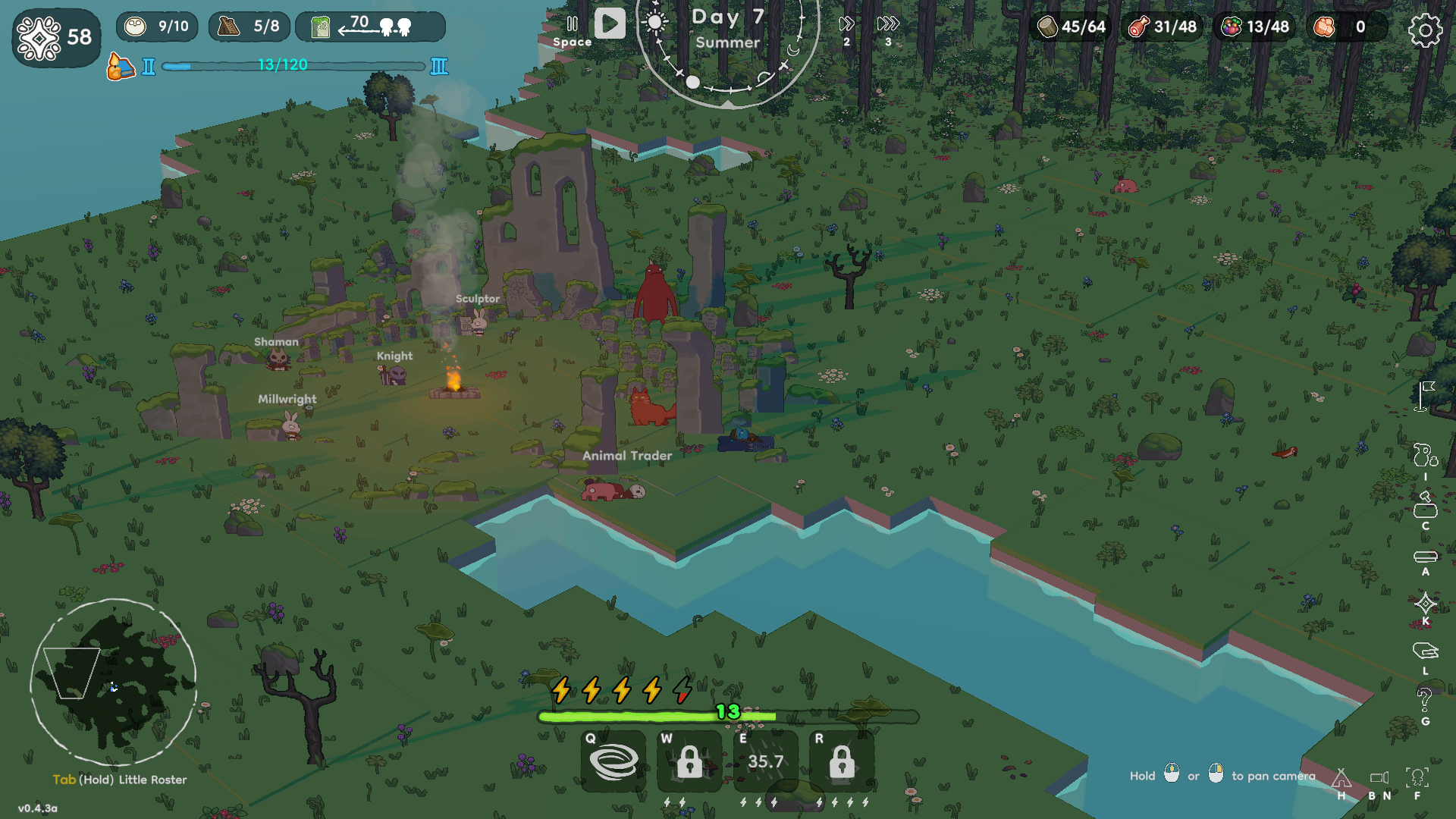
On paper, The Little Land sounds wonderfully manageable. You are responsible for a community of tiny people, the Littles, helping them gather resources, craft items, construct buildings and survive long enough to establish something resembling a civilisation. The villagers are charming. The surrounding world, unfortunately, appears to have taken their existence personally.
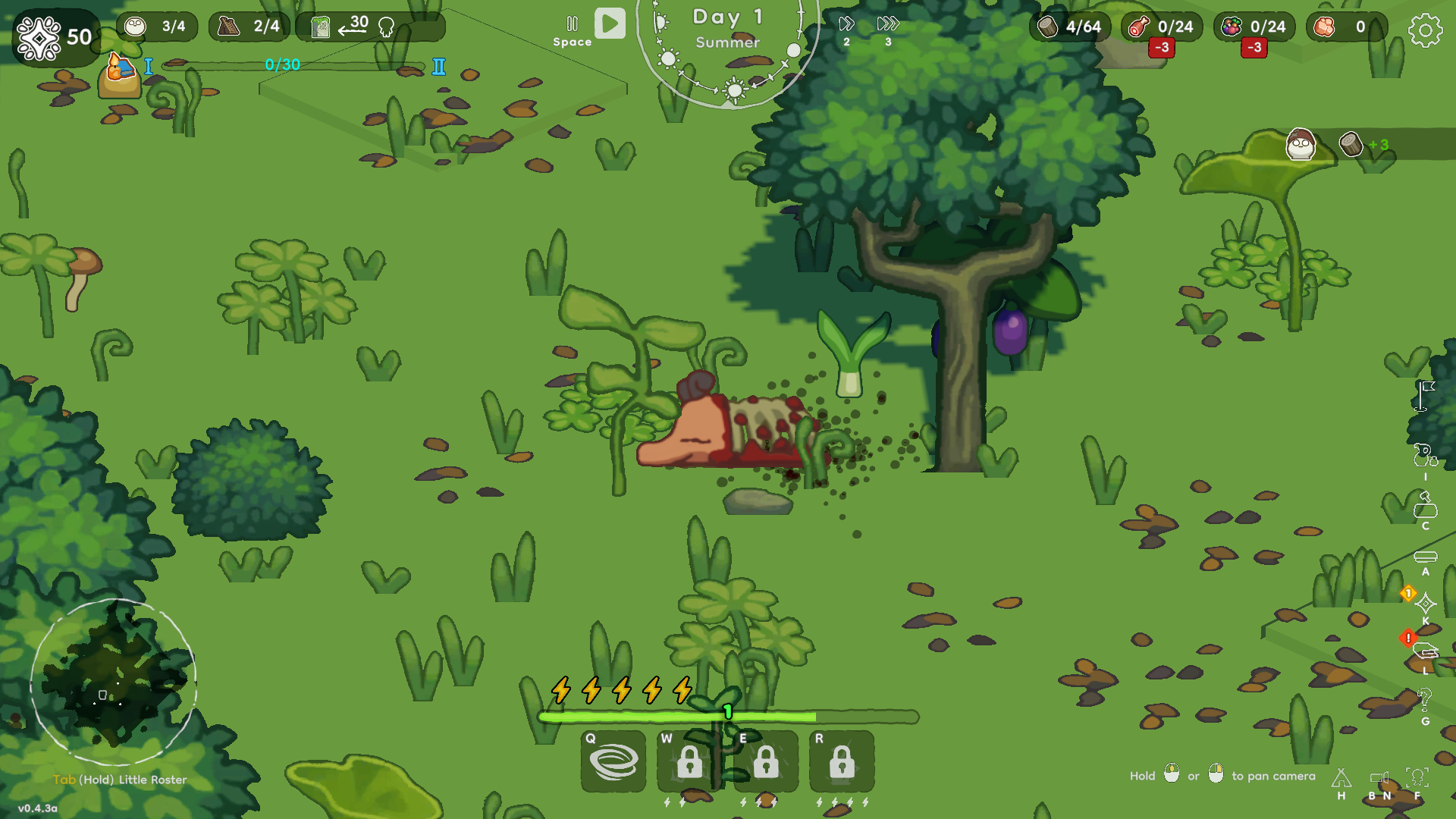
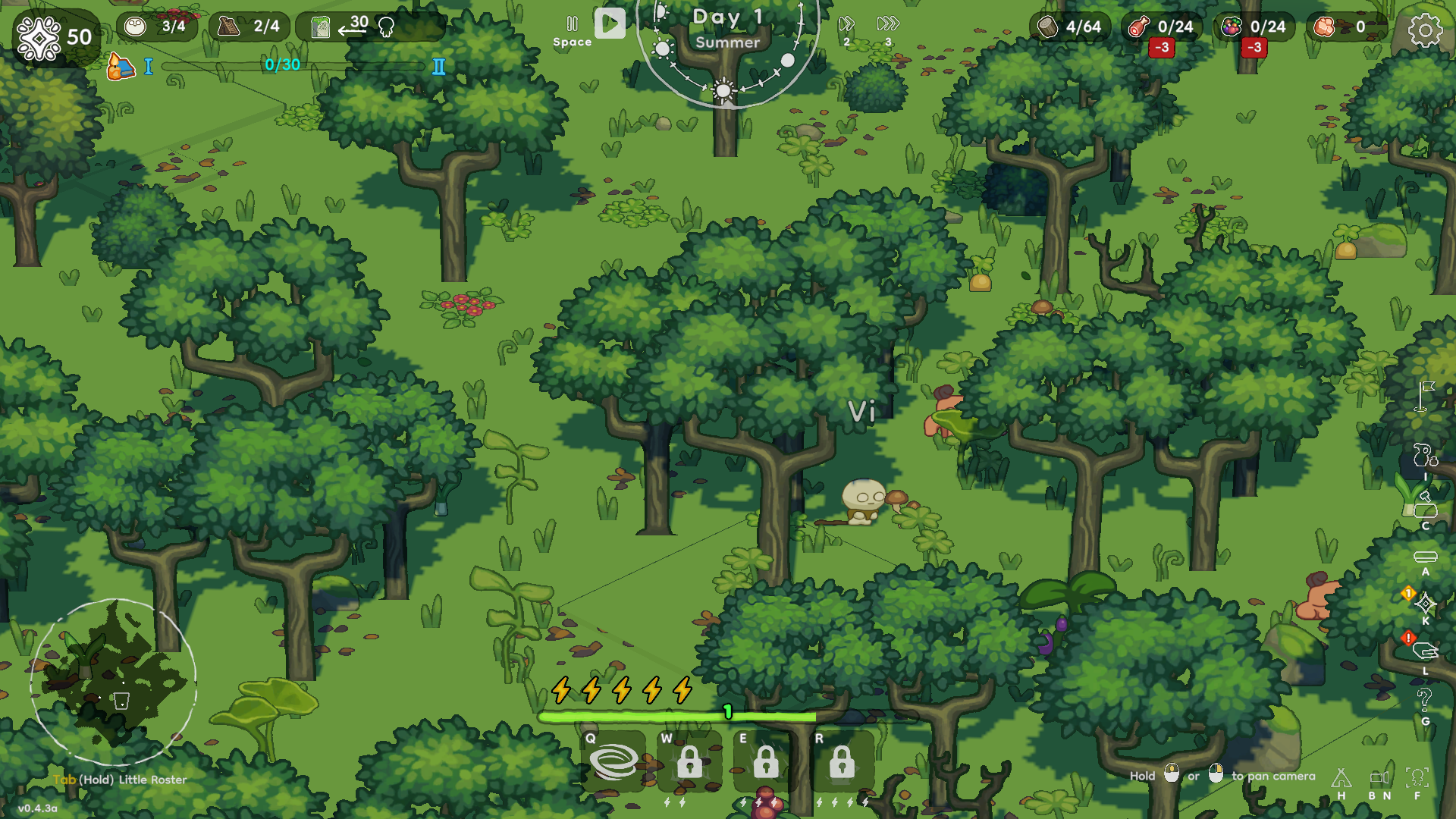
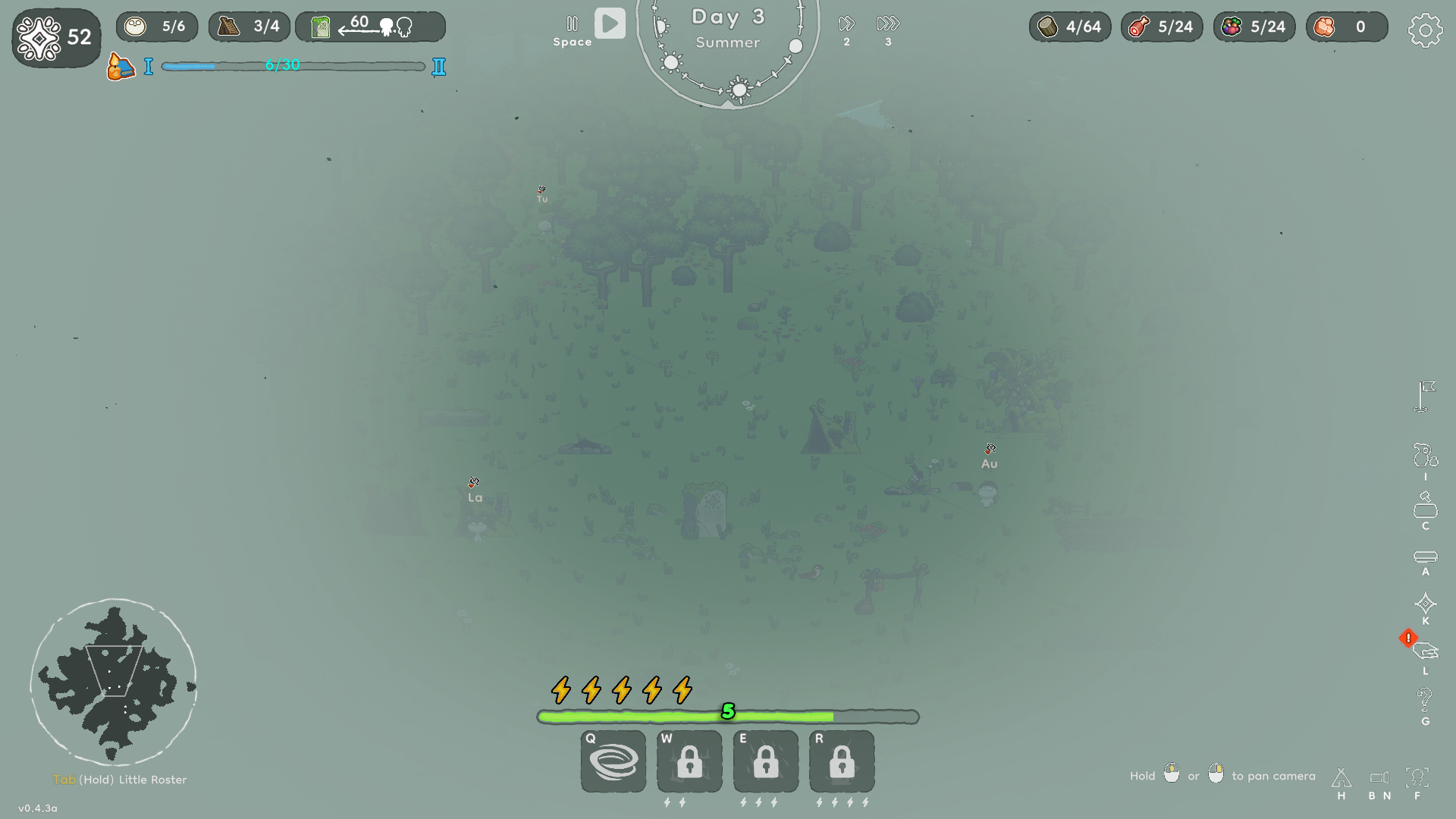
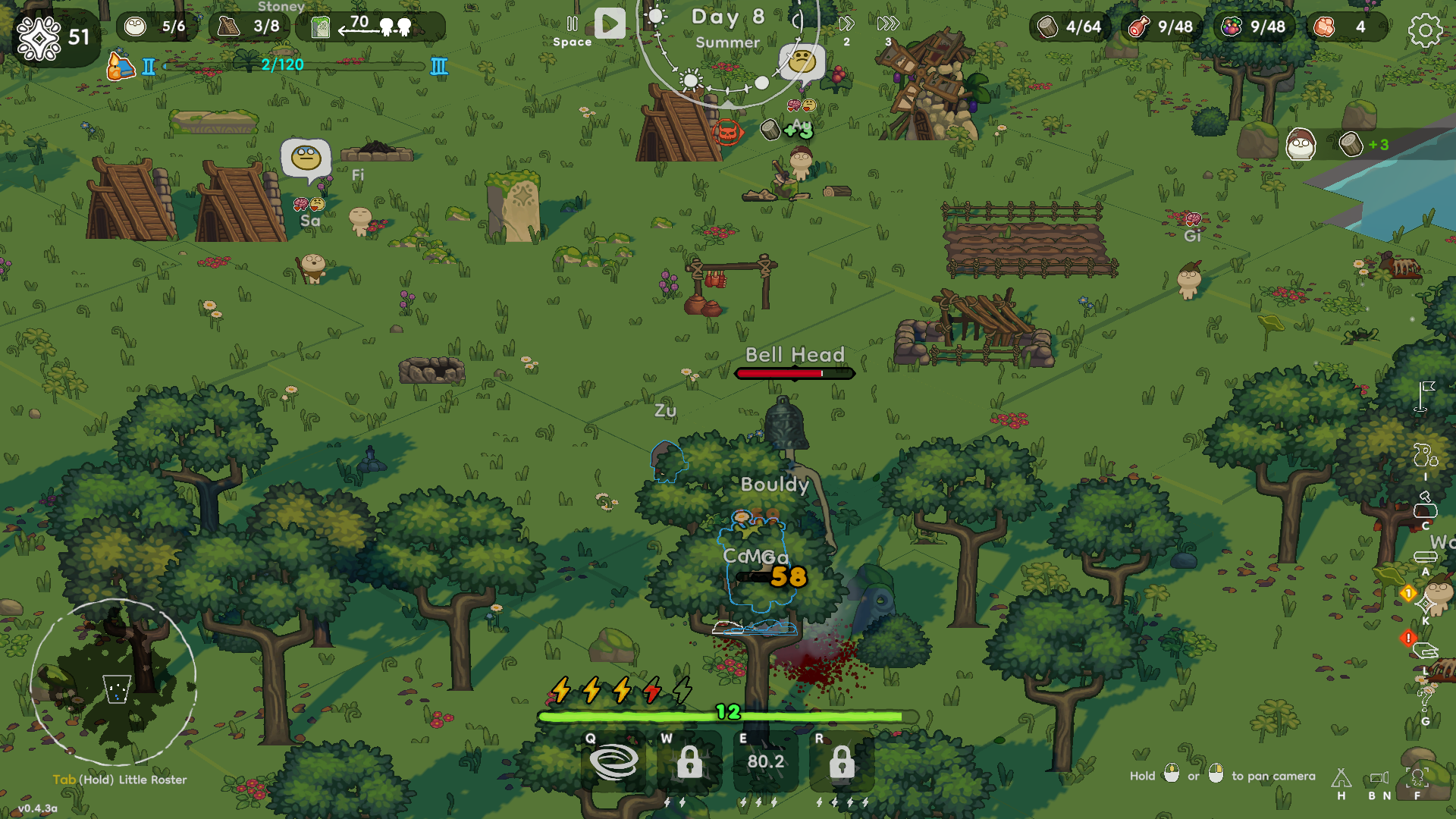
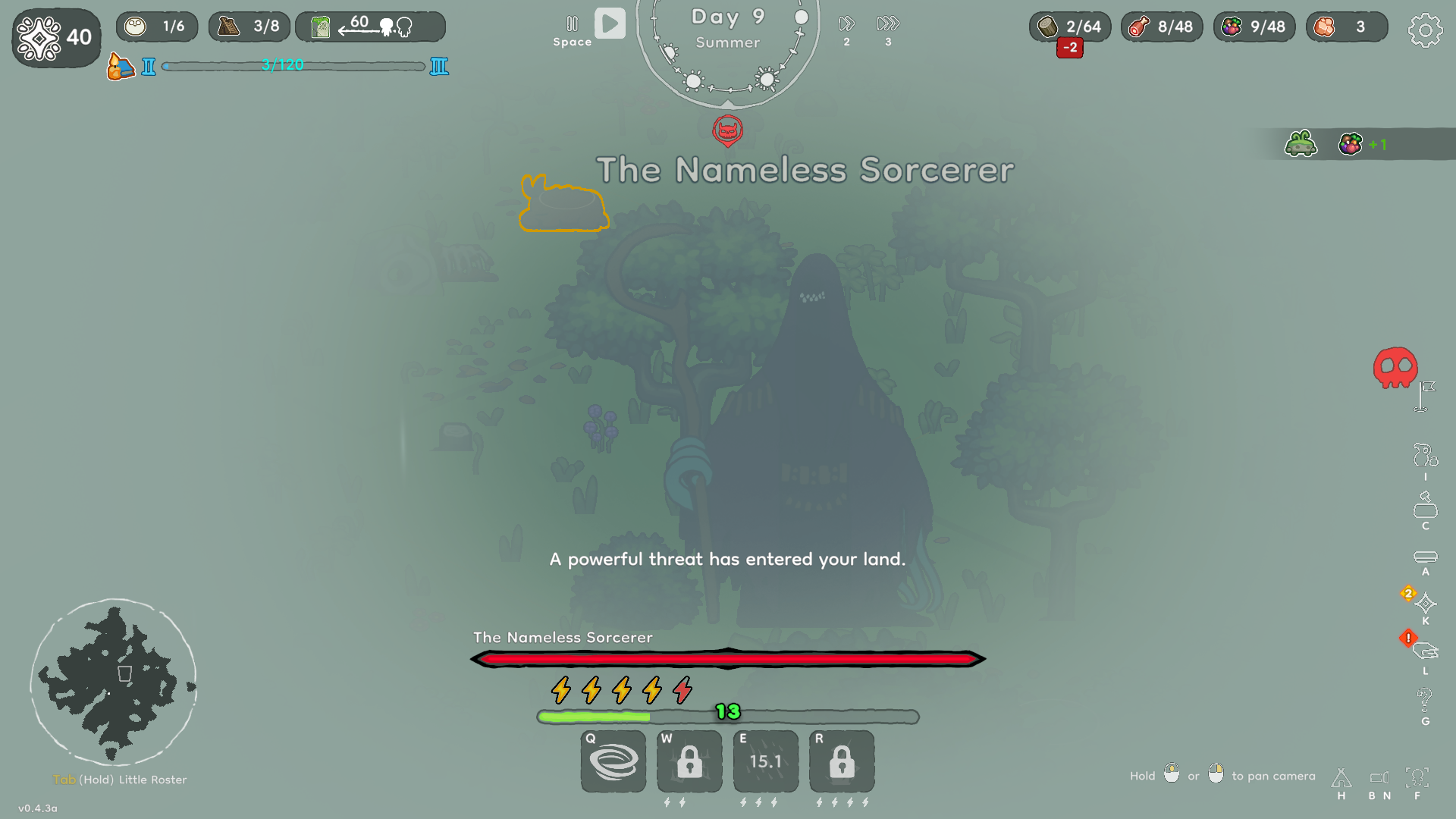
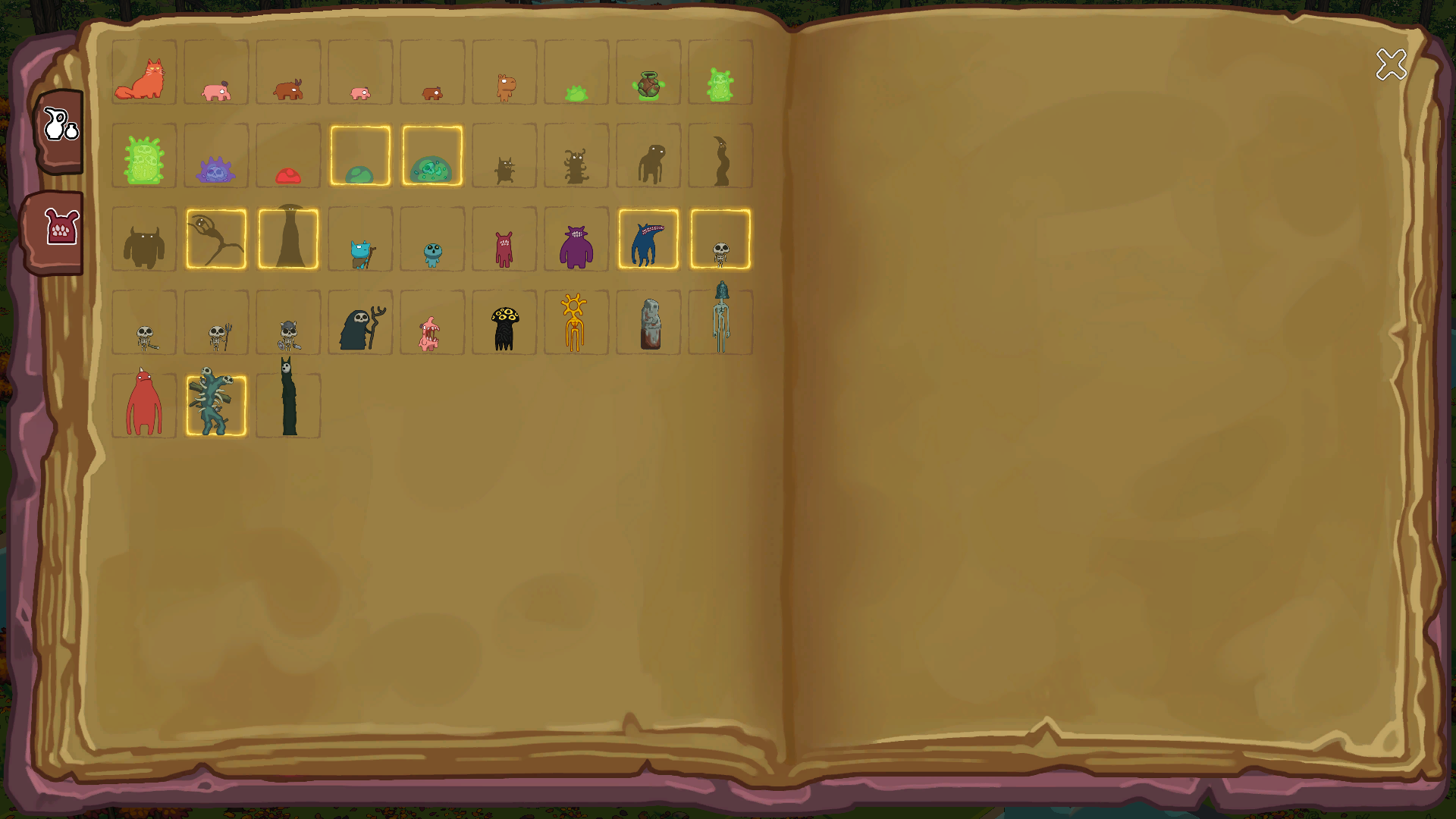
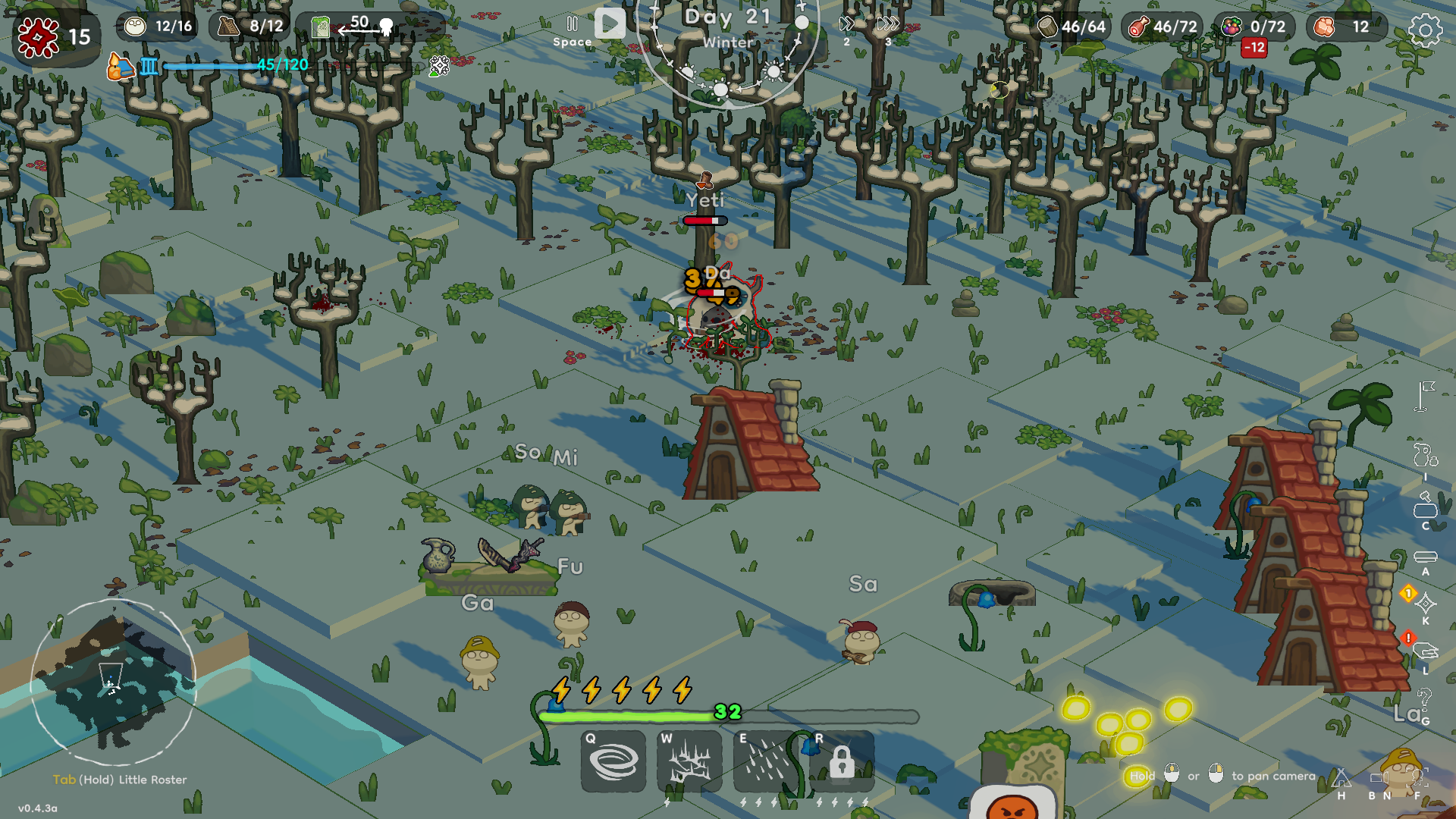
Daytime brings wild boars, zombies and even a giant cat. When the sun goes down, the danger doesn’t politely clock off: nightmare creatures called Mares join the list of things looking to turn your settlement into a cautionary tale.
Our first attempts were rough. The opening wind ability produces small gusts that proved underwhelming against several of the threats we encountered, although it did help against blobs and Mares. Meanwhile, keeping the villagers safe, understanding the systems and deciding what to do next demanded attention in roughly twelve directions at once. We had divine powers. We could really have used a diary.
The second attempt is where it starts to click
The breakthrough came from trying again and paying closer attention to the systems underneath the chaos. Gathering resources, crafting and placing charms on the altar gradually began to make sense. What had initially felt like frantic damage limitation became a more deliberate rhythm of preparation, protection and settlement growth.
Charms are an important part of that rhythm, offering effects that can shape how you manage the Littles. They also demand care. It is possible to find an apparently useful setup and only discover much later that it is quietly creating a very expensive problem.
As our understanding improved, so did our survival. On a stronger run we made it to at least day 29, a substantial improvement over the earlier disasters. We were settling into the job, becoming attached to our little civilisation and perhaps starting to believe we had finally worked out this whole god business.
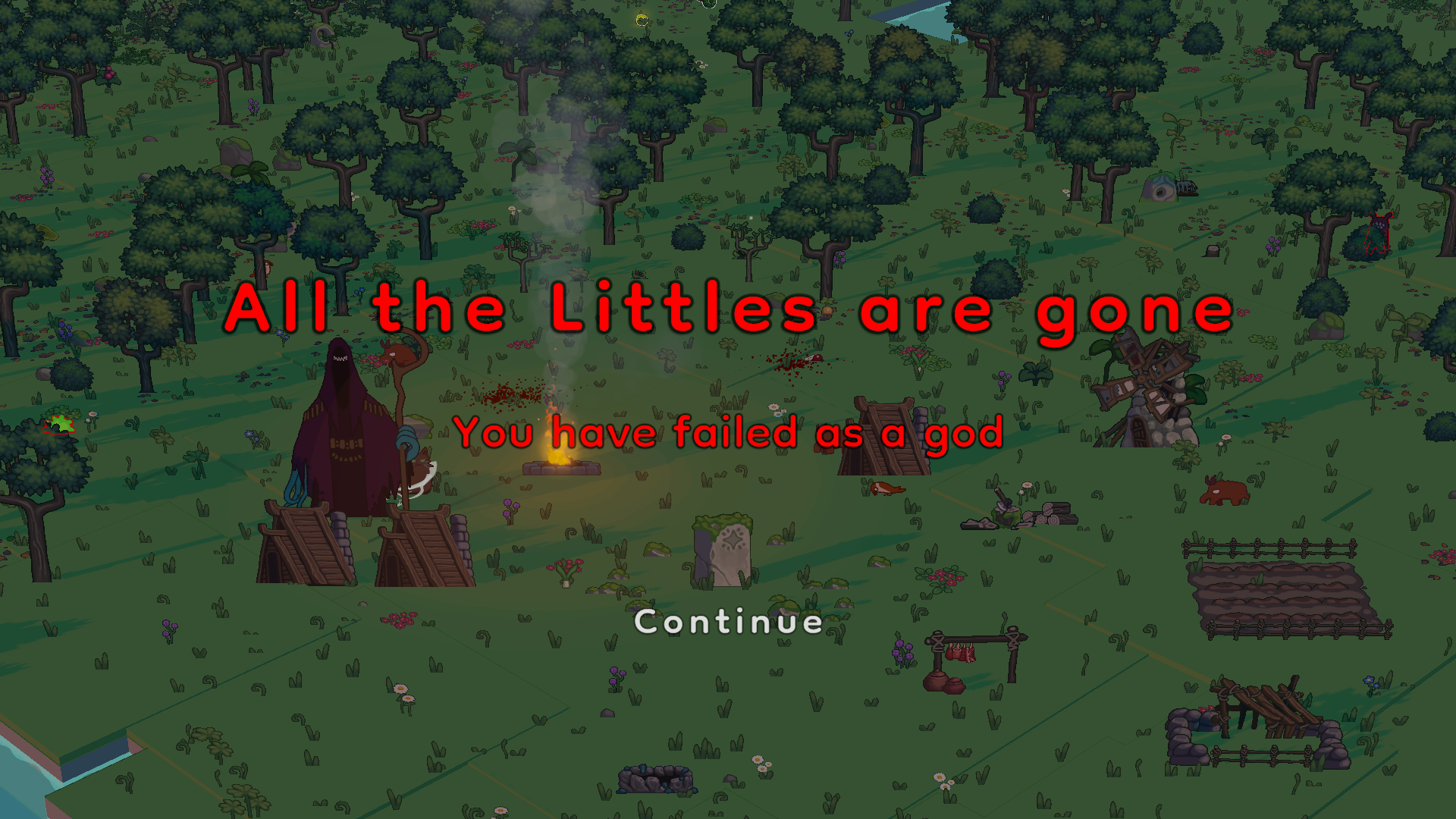
And then the Reapers came to collect
One of the altar charms had been consuming our reverence each day. We weren’t monitoring the cost closely enough, and by the time we realised what was happening, the damage was done.
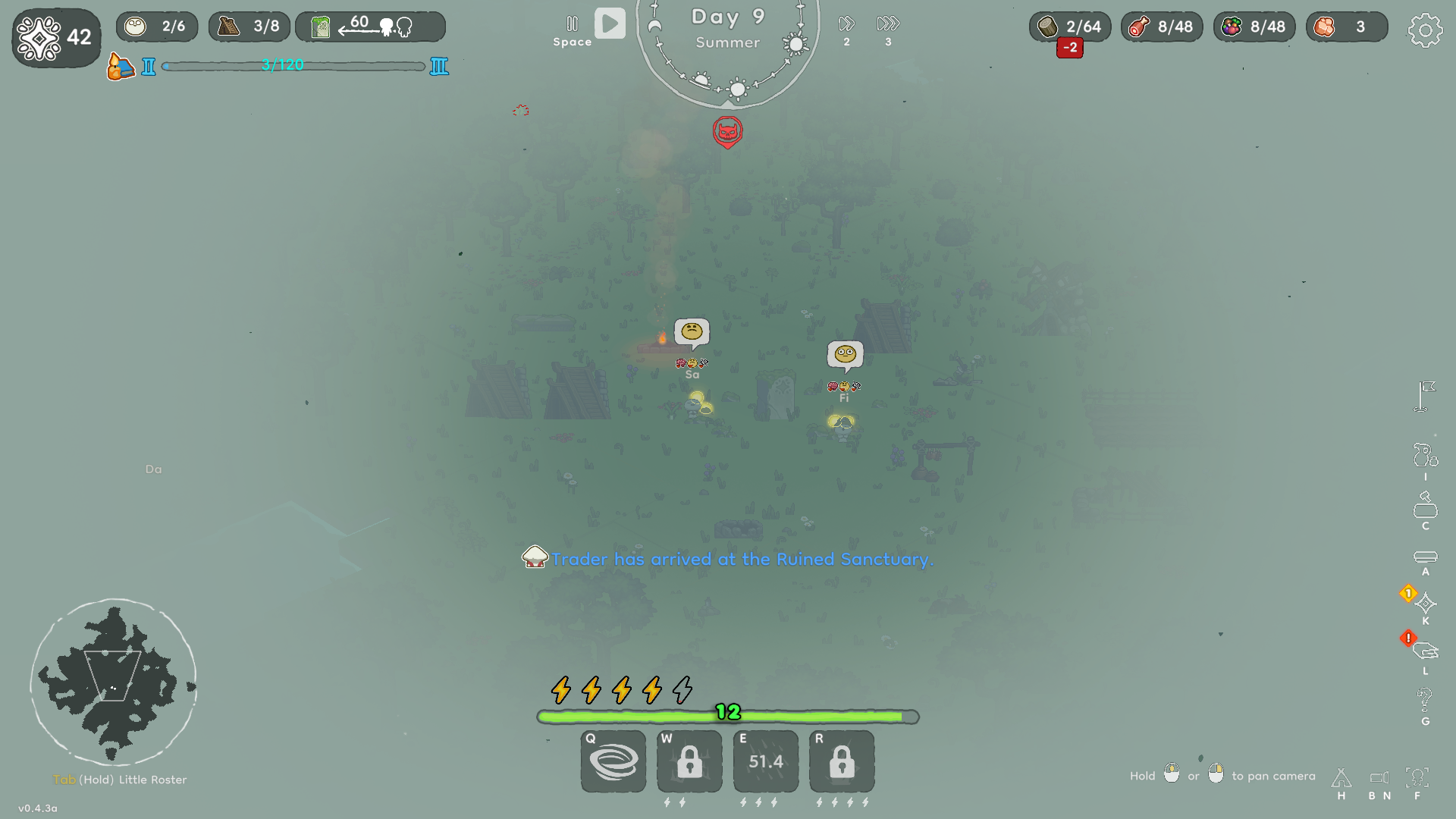
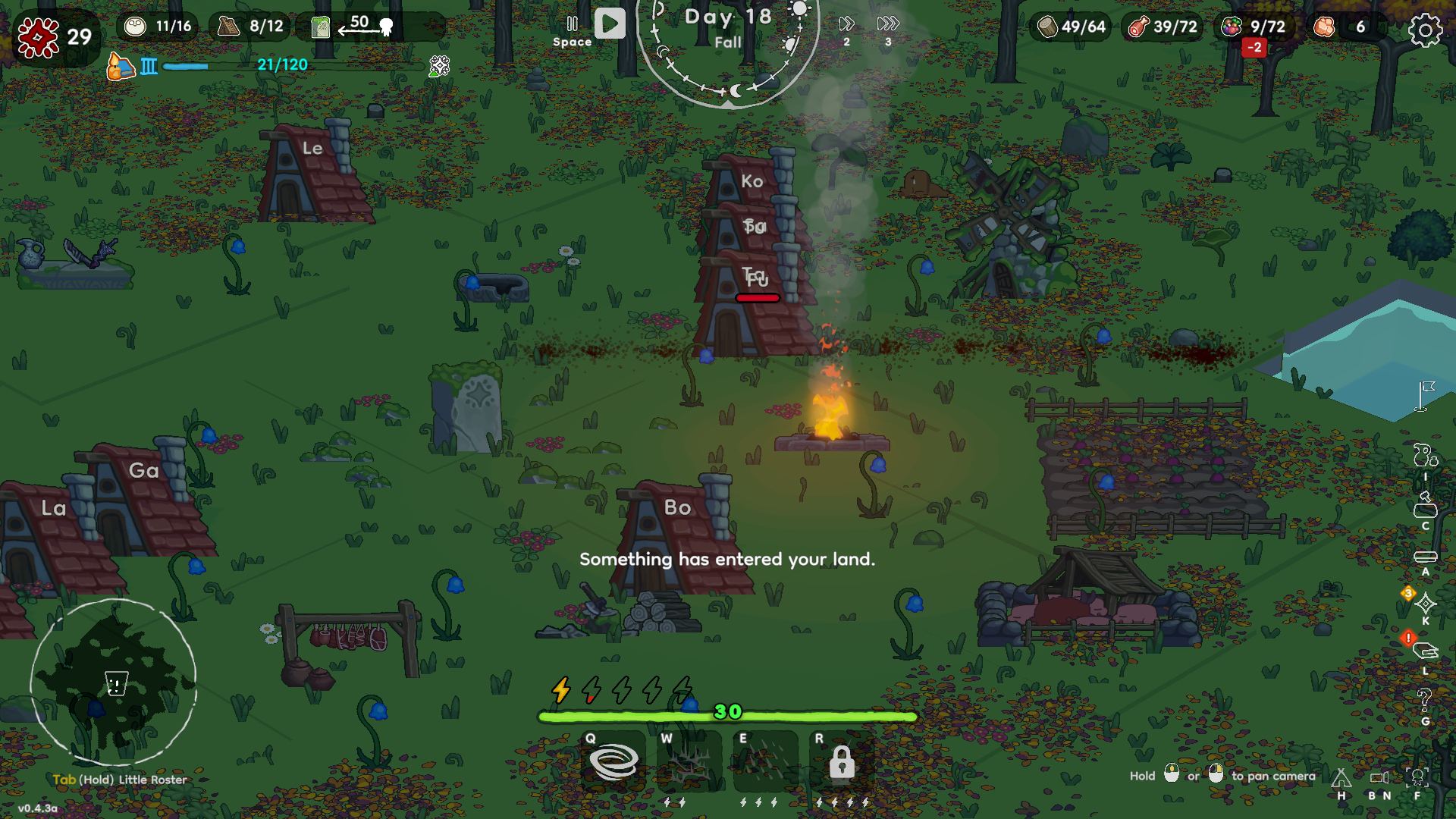
The resulting disaster was magnificent in the least helpful way possible. The screen turned mostly red, the music grew louder and the Reapers descended on the settlement. After nearly thirty days of effort, watching everything unravel made the mistake feel enormous. It was a memorable piece of game drama, even if we would have preferred it to happen to somebody else’s village.
Reloading didn’t offer an easy escape. We returned to the start of that day, with the underlying problem already in motion. Losing the settlement was frustrating, certainly, but it was also difficult to blame the game when we’d failed to notice the cost of our own decisions. That balance between punishment and learning is central to The Little Land’s appeal.
The soundtrack knows when trouble is coming
The audio deserves particular credit. By day, the background music has an almost medieval village atmosphere, helping make the Littles’ home feel warm and busy. Night brings a much eerier tone, and that shift works as a warning as much as a change of mood.
Sound effects give the world personality too. The villagers’ little voices are amusing to begin with and become even funnier when time is sped up. More usefully, the sound of a Mare spawning at night became a cue to track it down before it caused serious trouble.
And then there is the Reaper sequence, where the change in music, the red-tinted screen and the destruction all come together. It’s the sort of moment that makes a lost run stick in your memory instead of disappearing into a statistics screen.
A lovely little world with a steep entrance fee
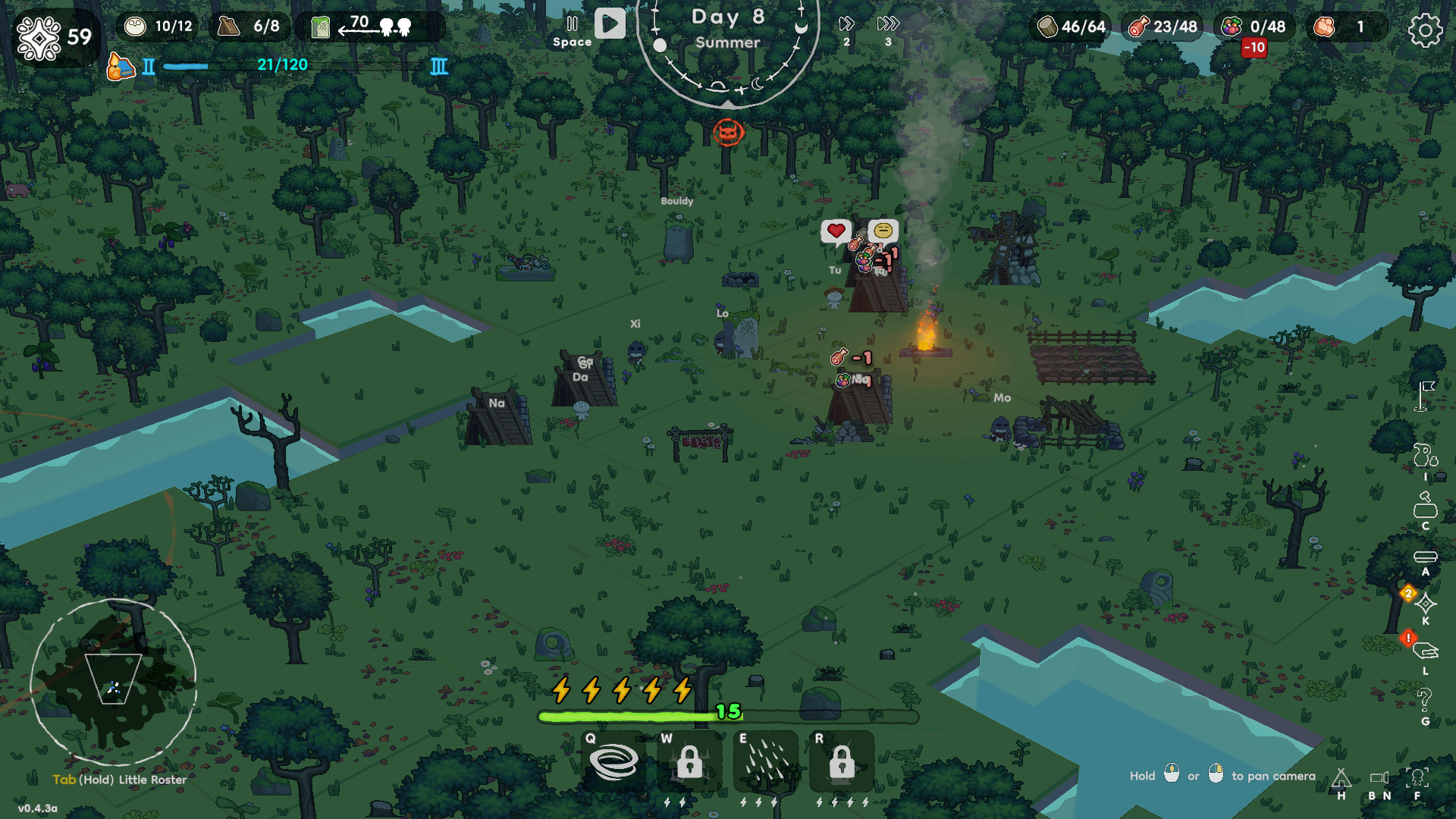
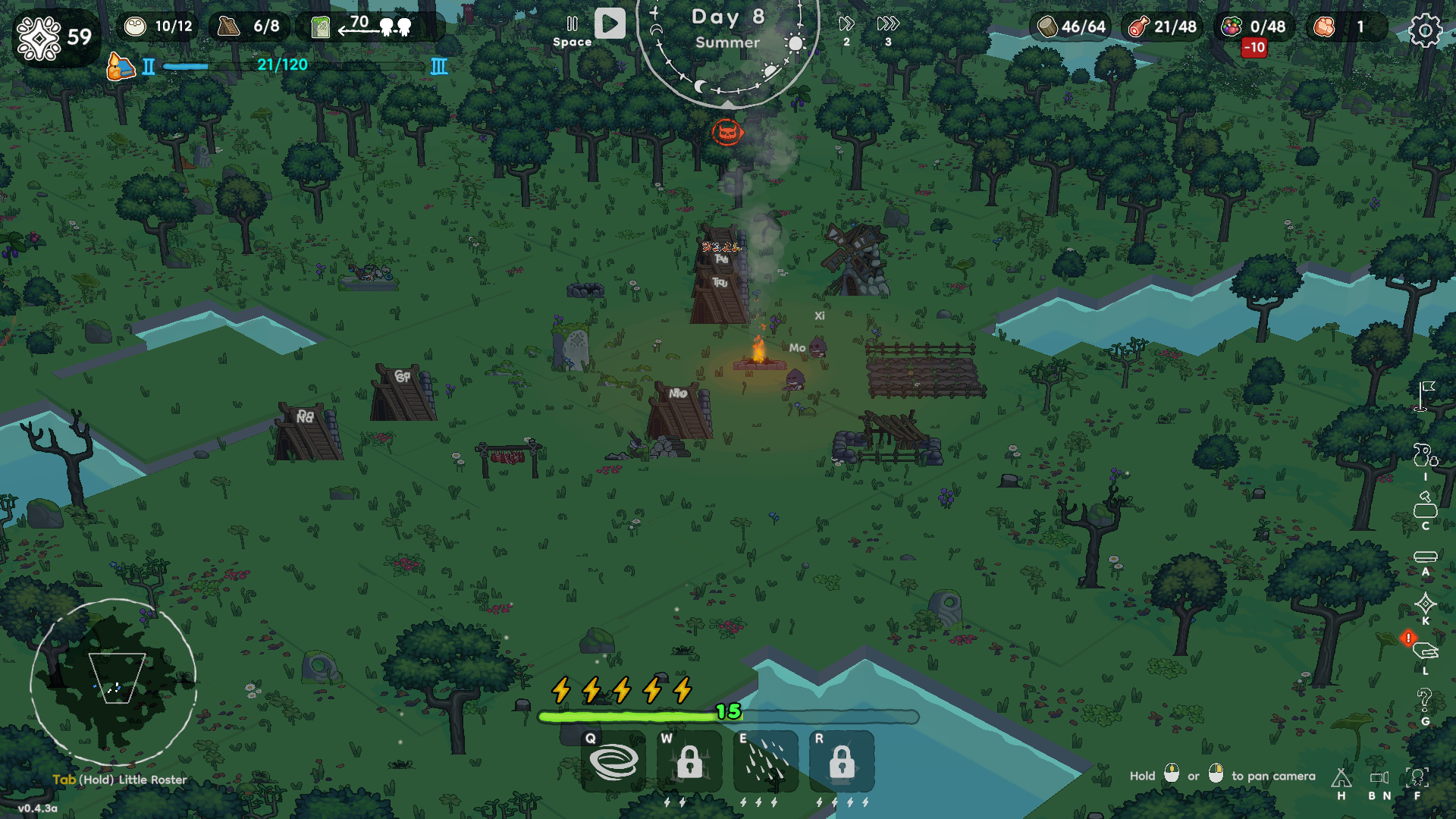
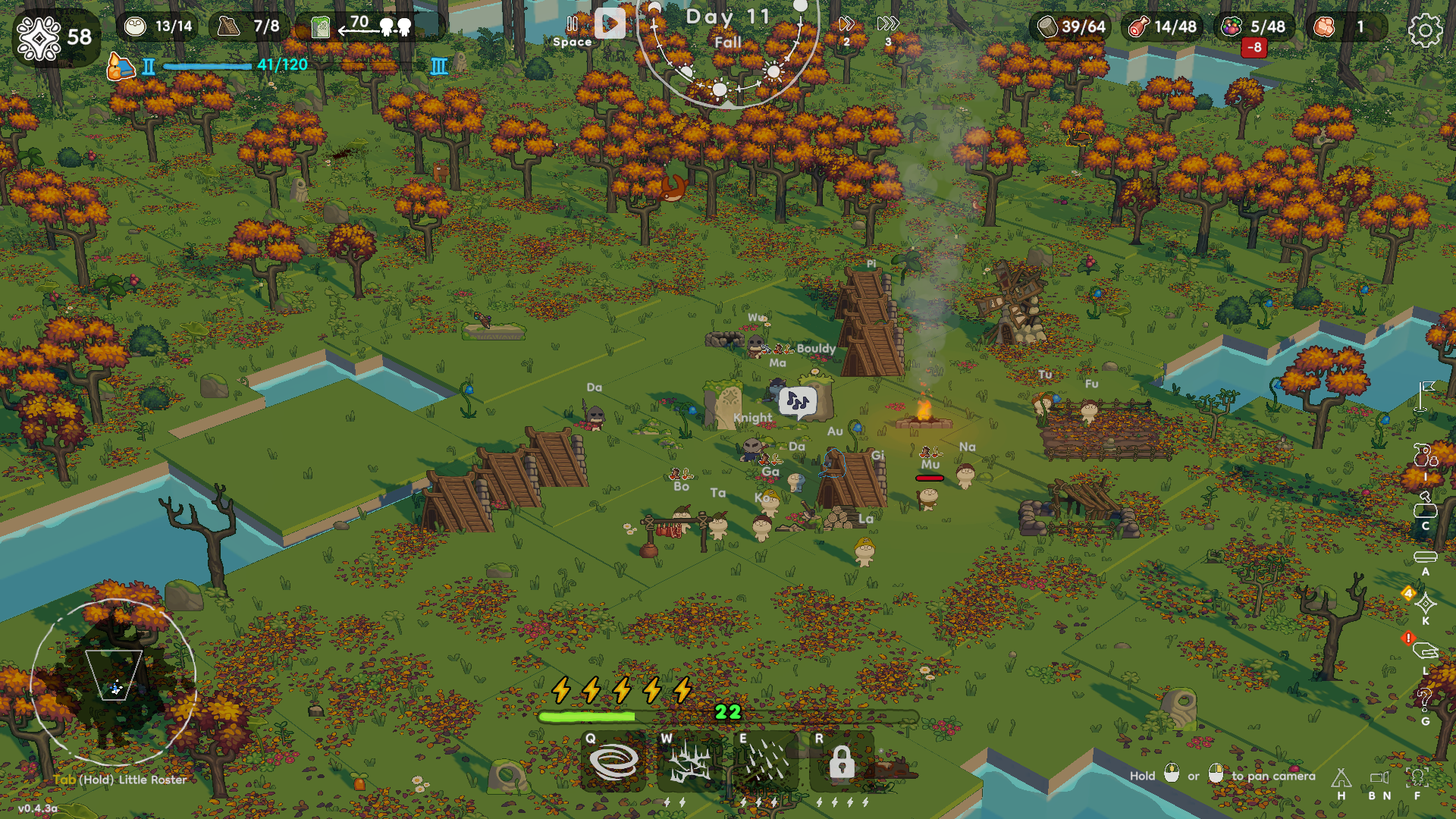
Visually, The Little Land has a colourful, inviting quality. Watching the settlement develop is genuinely satisfying, especially once the mechanics start making sense and you can spend a little more time admiring the progress instead of chasing the latest threat across the map.
Its biggest weakness is the initial learning curve. There is plenty to absorb while enemies are already making demands on your attention, and the consequences of misunderstanding a system can be severe. For players who enjoy experimentation and learning from a failed run, that pressure becomes part of the satisfaction. For someone after a relaxing, low-stakes village builder, it may be more than they bargained for.
The game won us over by turning those early struggles into a reason to improve. Surviving another day felt earned, and even after losing a run we’d invested heavily in, the temptation to start again was stronger than the desire to walk away. The new target is day 37. Perhaps this time we’ll keep an eye on the reverence.
Our verdict: 81/100
A charming but demanding god-sim with a lively little civilisation to protect, satisfying systems to learn and a genuinely effective contrast between peaceful days and dangerous nights. The opening can feel overwhelming and costly mistakes can wipe out a great deal of progress, but the growing sense of control makes perseverance worthwhile. Just remember: if an altar charm looks too good to be true, check what it’s charging you every morning.
This review reflects the hands-on experience described in the original CSPress submission. The game’s Steam listing identifies it as an Early Access title; final release content may differ.
Review: Coloured Static Press Editorial. Based on original hands-on gameplay observations. Score: 81/100.