COLOURED STATIC PRESS / XBOX AT 25 / FEATURE / 14 NOVEMBER 2026
I bought my first Xbox during a holiday in Norwich. I’d saved for its UK launch, planned the collection before we travelled, and I can still hear that extraordinary startup sound.
The holiday had already been booked when the Xbox launch came around. We were staying in Norwich, so I did what any determined future Xbox owner would do: I reserved the console at Virgin Megastore and paid a deposit in advance. I’d been saving specifically for this. On collection day, the console was £299, and I came away with three games: Halo: Combat Evolved, Dead or Alive 3 and Project Gotham Racing, each £34.99. That’s £403.97 for the machine and the three games, a figure I haven’t forgotten.
I took the lot back to the house we’d rented. It had a television, and, crucially, the right SCART socket. I plugged everything in and switched on the Xbox. And wow. That boot-up sound, that strange sequence of light and noise, and the feeling of that enormous controller in my hands. The great black console with its alien-green jewel really did feel like a piece of the future had arrived in our holiday accommodation. I can still remember the excitement more clearly than almost anything else about that launch.
Then there was the Duke itself. It was cumbersome, almost absurd, and somehow magnificent. It felt less like something you picked up and more like something you agreed to carry. I suspect Microsoft measured ergonomics in square footage. I loved it anyway.
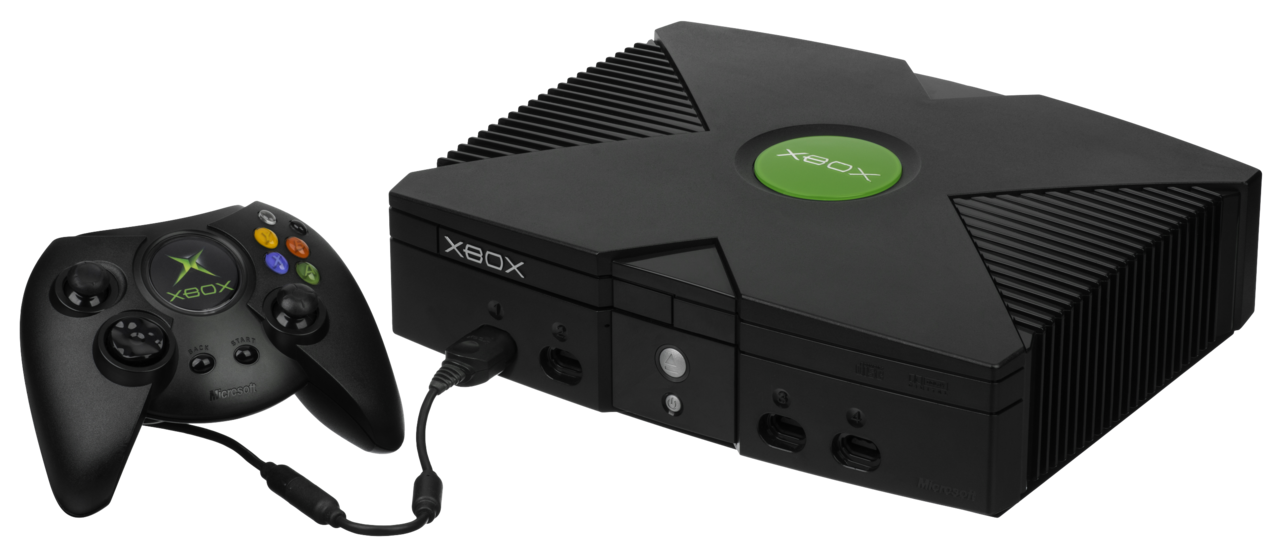
The Duke, with its equally unsubtle companion: not a controller for the faint of thumb. Original photograph by Evan-Amos, via Wikimedia Commons (public domain); background removed for this archival cut-out.

Another moment that stayed with me came later, when Xbox Live reached the UK and I put on my first headset. I was sitting in front of my television, talking to complete strangers. Actual people, in other homes, playing the same game and answering back. Online play wasn’t new to the world, of course. PC gamers had been doing it for years. But experiencing it on a console in my own living room made gaming feel suddenly, wonderfully bigger.
It felt like the future had arrived, and it had brought a microphone.
I’ve played through every Xbox generation since. The Xbox 360 took that sense of connection further, the Xbox One arrived with a far more complicated idea of what our living rooms needed, and the Series X|S generation made familiar games faster and slicker. But I still think back to that giant controller and the first time my television seemed to talk back. Better resolution is lovely. A proper sense of wonder is harder to manufacture.
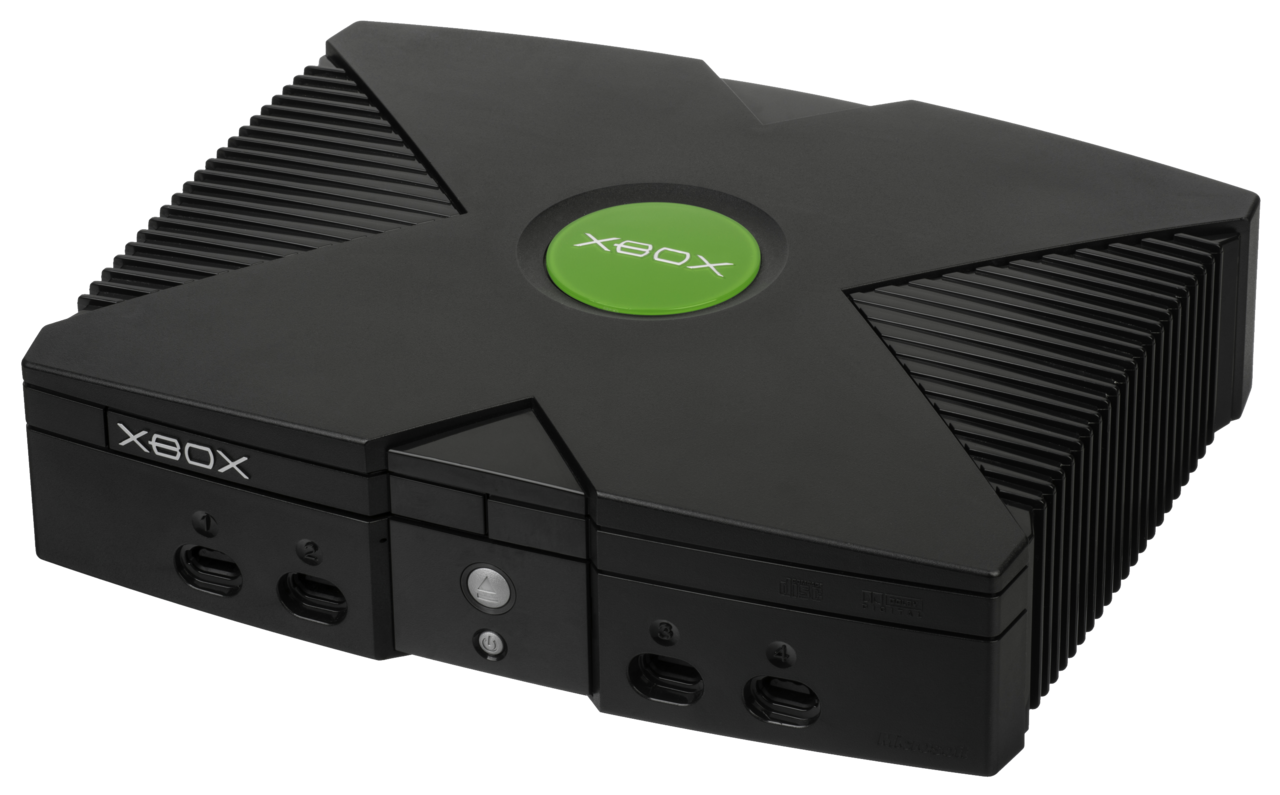
The original Xbox wore its ambitions on the outside. Original photograph by Evan-Amos, via Wikimedia Commons (public domain); transparent-background adaptation by Gunnar.offel.

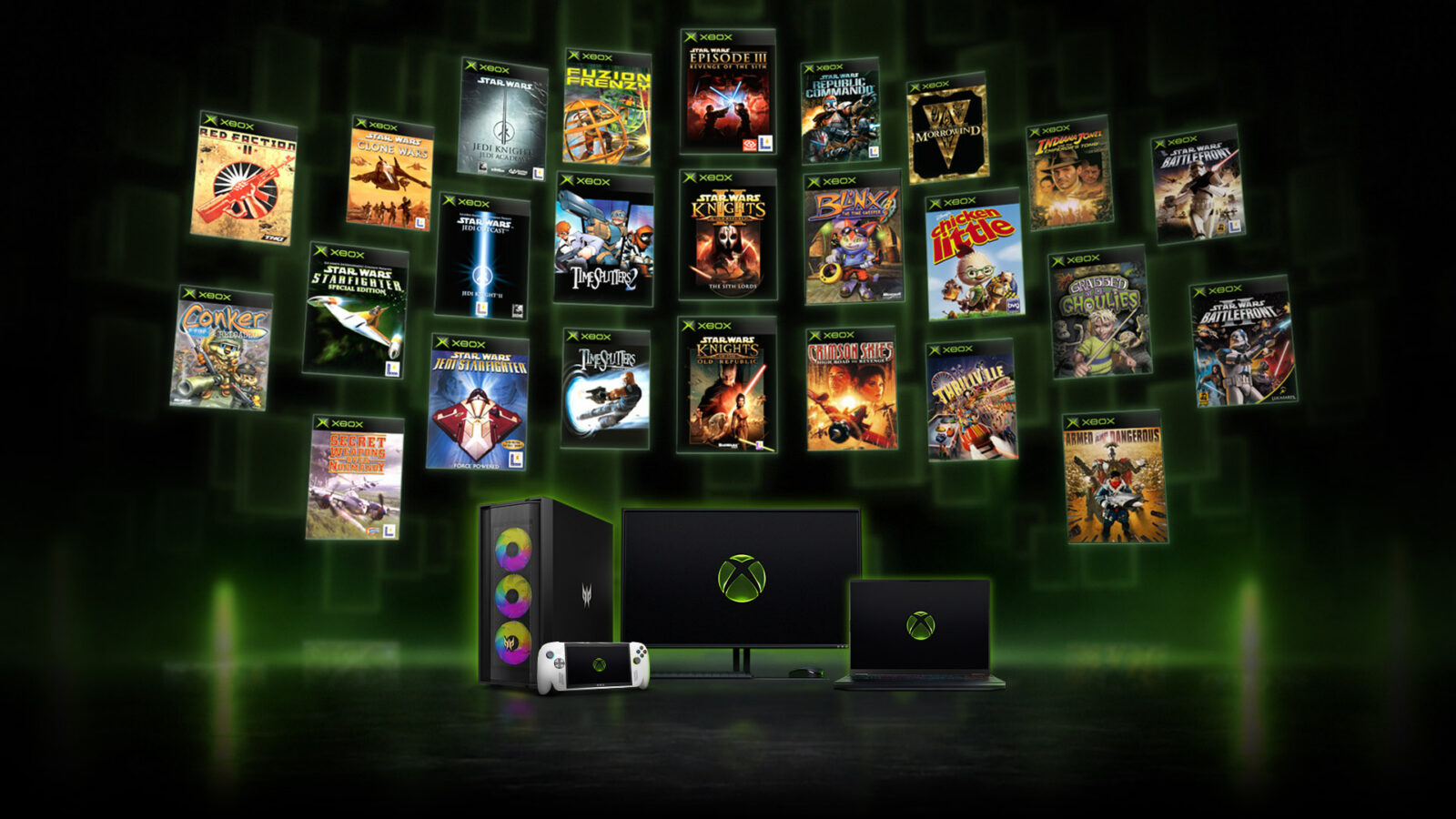
Which brings us to this anniversary announcement. Twenty-five years after Microsoft’s first console arrived, 25 original Xbox games can now be played through the Xbox PC ecosystem. The headline names are irresistible, but the bigger story lies beneath the nostalgia: who gets to keep playing when a generation of hardware fades, and how much of the experience that made those games special can survive?
An original Xbox disc can survive for decades. Whether the console, its cables and the television willing to cooperate with them have survived is another matter. On 12 November, Microsoft expanded its Xbox Backward Compatibility on PC programme by 21 titles, bringing the total to 25. For us, the compelling part is not a neat anniversary number. It is that more of this console’s strange, brilliant and occasionally deeply weird history has another way to be played.
This expansion comes during Xbox’s 25th-anniversary celebrations. Microsoft’s original console launched in North America on 15 November 2001 and arrived in the UK on 14 March 2002. For British players, that means the console’s local 25th birthday is still a few months away. The games, meanwhile, are already collecting their invitations. Microsoft’s original UK launch report is a fascinating reminder of how big a moment that arrival was.
The announcement in 60 seconds
- 21 additional original Xbox games joined Xbox Backward Compatibility on PC on 12 November 2026.
- 25 games in total are now in the programme, with more planned.
- Four games gained Xbox achievements: both Knights of the Old Republic games, BLiNX and Conker: Live and Reloaded.
- Windows 11 is required for PC play; Xbox says mouse and keyboard support is now available across all 25 titles.
- Six games are identified as Game Pass titles. This is not 25 free anniversary downloads.
- Availability varies: supported markets, licences, purchases, downloads and individual features all matter.
KOTOR, Morrowind and TimeSplitters: three very different reasons to care
Star Wars: Knights of the Old Republic, and a galaxy worth returning to
Knights of the Old Republic is the obvious headliner. BioWare’s 2003 RPG gave Star Wars room to breathe beyond the films: conversation, companions and the consequences of a choice could matter as much as who had the biggest lightsaber. Obsidian’s sequel is a more questioning, often darker follow-up, willing to examine the philosophy behind the familiar light-side/dark-side divide. We love that two games so interested in choice are being offered another route to players.
There is a personal reason this series matters to us. In our earlier farewell to BioWare feature, we wrote about growing up in the studio’s worlds and still remembering how KOTOR drew us into its galaxy. It was the sense that the decisions were ours, not merely another sequence of instructions to follow. Preserving that experience matters far more to us than attaching a shiny new achievement list to it, welcome though that list is.
Both original Xbox versions are part of the new PC wave and both now support Xbox achievements for the first time. These are not the first PC releases of KOTOR or its sequel, nor are they new remasters. The point is access to the Xbox versions inside Microsoft’s present-day ecosystem. If the promise of another achievement is enough to send somebody back into a 2003 RPG for another 40 hours, we certainly won’t be the ones to stop them.
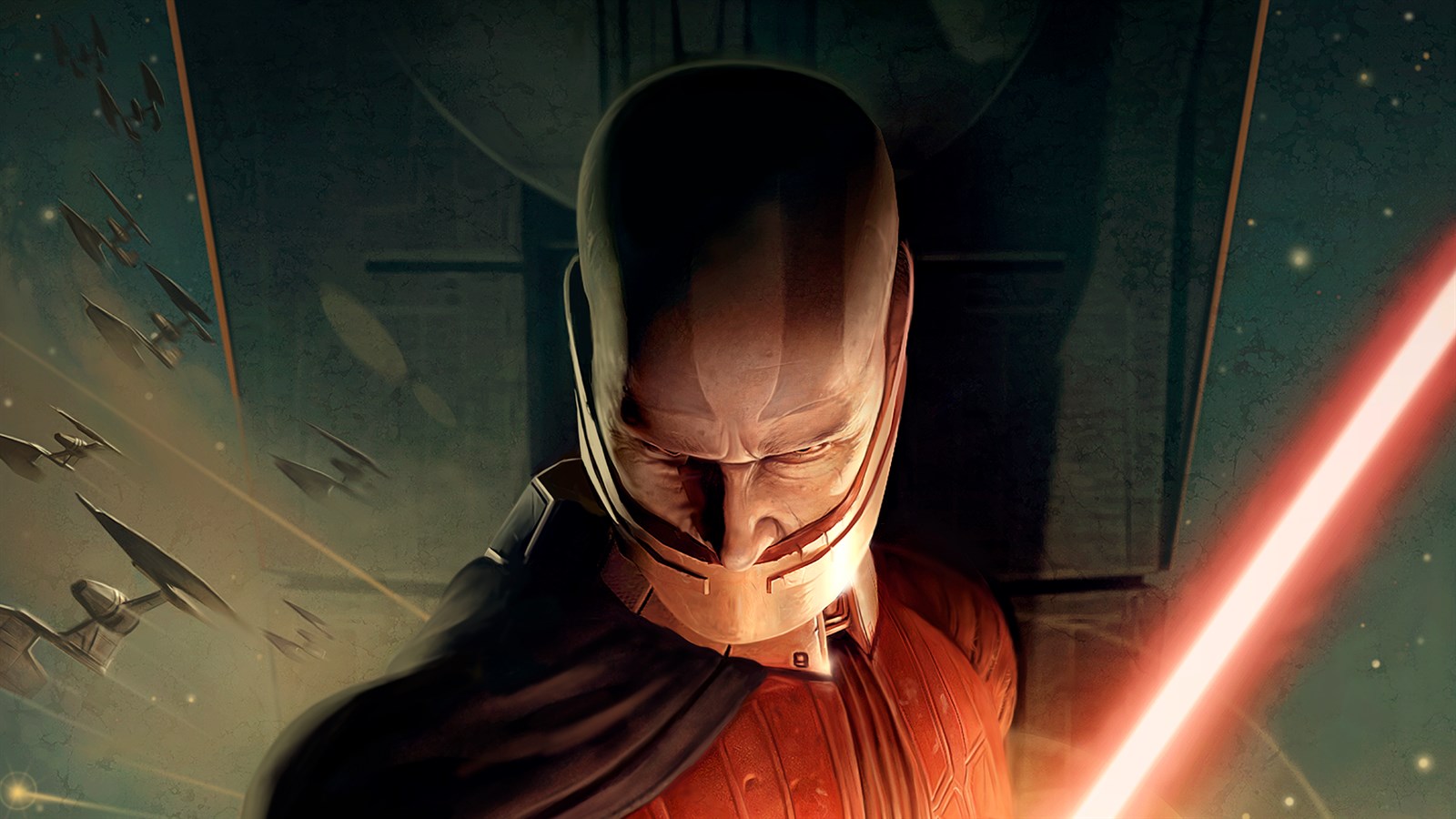
Knights of the Old Republic promotional artwork via the official Xbox Store. Lucasfilm.
The Elder Scrolls III: Morrowind, before open worlds learned to hold your hand
Then there is Morrowind, one of those rare worlds that still feels genuinely alien. Vvardenfell’s ashlands, towering mushrooms and bewilderingly specific directions belong to an RPG that trusts you to find your own way. Sometimes that means a triumph of discovery. Sometimes it means staring at two suspiciously similar rocks and wondering which one the quest-giver meant. Both are part of the charm.
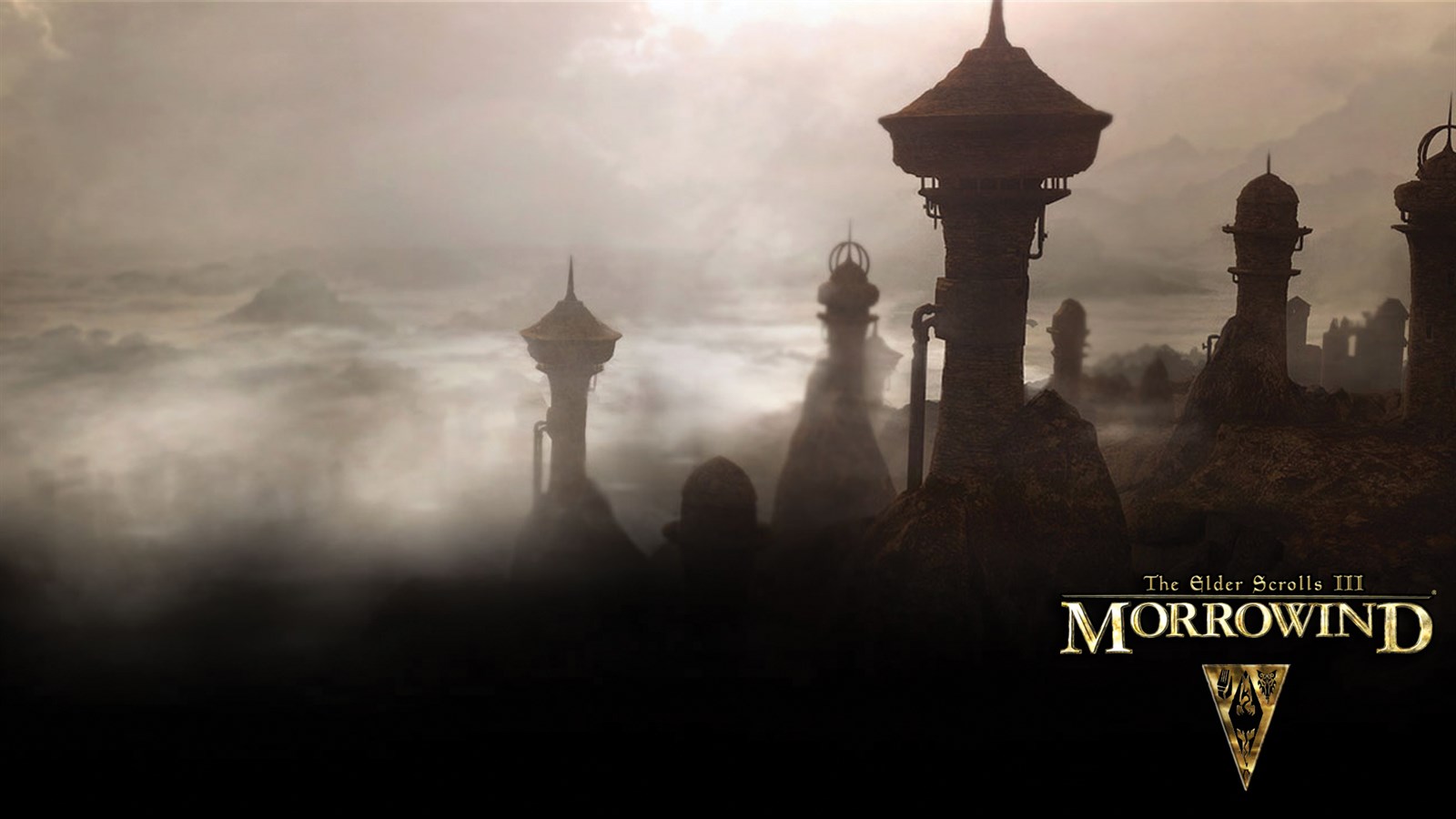
The Elder Scrolls III: Morrowind promotional artwork via the official Xbox Store. Bethesda Softworks.
Crucially, Morrowind has long had a native PC edition, with its own community of mods and technical improvements. The new offering is the original Xbox version through Xbox’s PC compatibility service. We would not automatically recommend it over a modded native PC copy. It is the preservation of another version, with its particular feel and limitations, that makes this interesting.
Our Bethesda at 40 retrospective explored developer memories of testing Morrowind on the original Xbox and watching players do unexpected things. That is the sort of history a compatibility programme can help keep alive: not just the finished quest, but the unusual design philosophy that allowed someone to stray from it.
TimeSplitters 2 and Future Perfect, the kind of chaos that deserves a return ticket
Of all the additions, TimeSplitters 2 and TimeSplitters: Future Perfect may be the most interesting for PC players. Where KOTOR and Morrowind have established native PC histories, these Free Radical Design shooters never enjoyed equivalent official Windows releases. Their arrival offers a genuinely different sort of access. They also recall a period when a multiplayer match could begin with serious competitive intentions and end with somebody playing as a monkey. Frankly, modern gaming could use more of that energy.
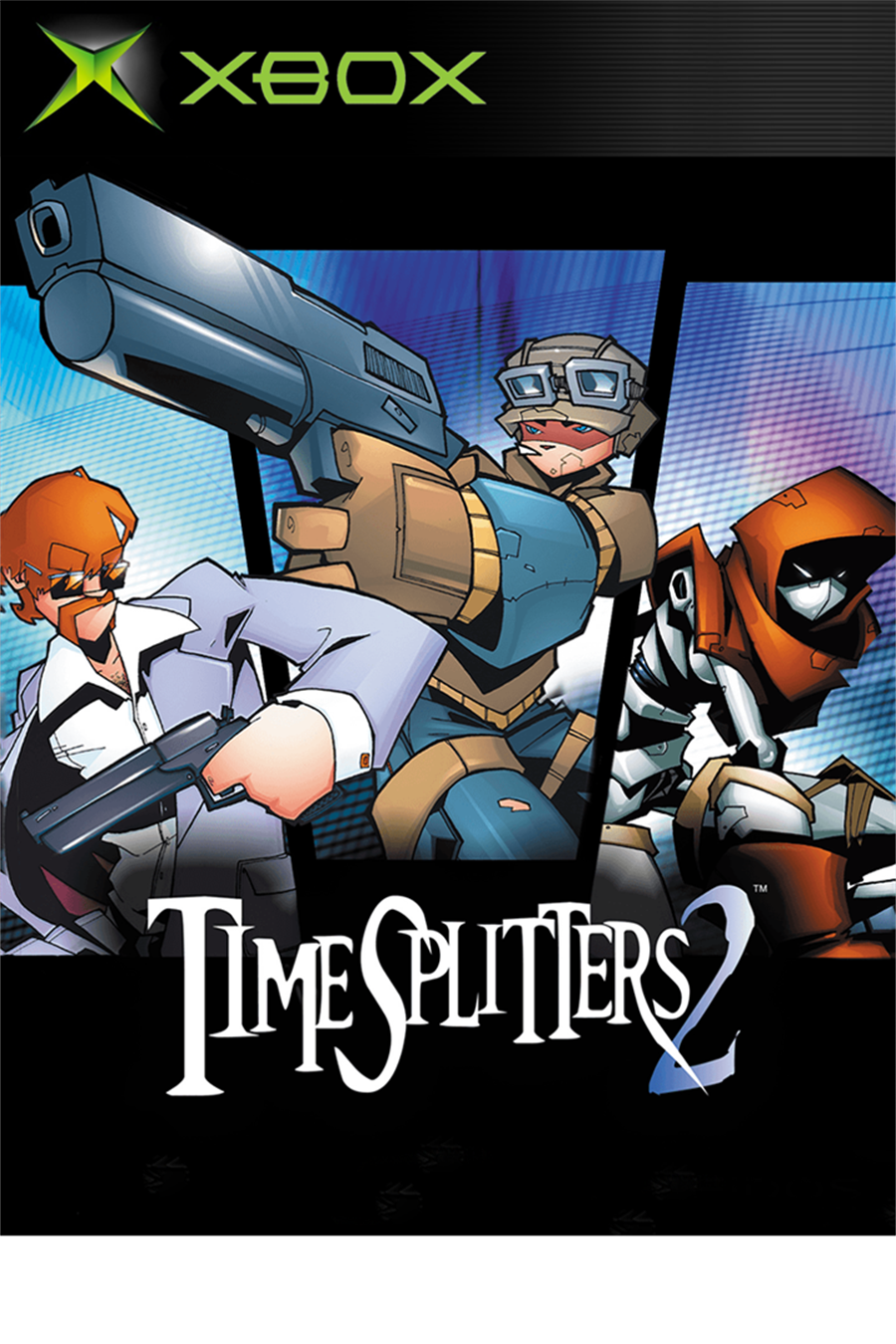
TimeSplitters 2 cover art via the official Xbox Store. Deep Silver.
Not every old game needs ray tracing, a 40-hour battle pass or a new subtitle to justify its existence. Sometimes the original design is what deserves protecting. There is a difference between restoring access to history and repainting history until it looks modern.
Every one of the 21 games added on 12 November
The new wave is gloriously Star Wars-heavy: 11 of the 21 additions are set in that galaxy far, far away. Not a bad result for people who like both vintage Xbox and lightsabers. Here is the full list, verified against Xbox’s 12 November announcement, with Game Pass titles clearly marked.
Star Wars games (11)
- Star Wars Battlefront
- Star Wars Battlefront II
- Star Wars Episode III: Revenge of the Sith
- Star Wars Jedi Knight: Jedi Academy
- Star Wars Jedi Knight II: Jedi Outcast
- Star Wars: Jedi Starfighter
- Star Wars: Knights of the Old Republic
- Star Wars: Knights of the Old Republic II – The Sith Lords
- Star Wars: Republic Commando
- Star Wars: Starfighter – Special Edition
- Star Wars: The Clone Wars
Other original Xbox classics (10)
- Armed and Dangerous
- Disney’s Chicken Little
- The Elder Scrolls III: Morrowind (Game Pass)
- Grabbed by the Ghoulies (Game Pass)
- Indiana Jones and the Emperor’s Tomb
- Red Faction II
- Secret Weapons Over Normandy
- Thrillville
- TimeSplitters 2
- TimeSplitters: Future Perfect
The four games that started it all in July
Xbox’s PC backward-compatibility programme began in July 2026 with four titles. They remain part of today’s 25-game catalogue:
- BLiNX: The Time Sweeper (Game Pass)
- Conker: Live and Reloaded (Game Pass)
- Crimson Skies: High Road to Revenge (Game Pass)
- Fuzion Frenzy (Game Pass)
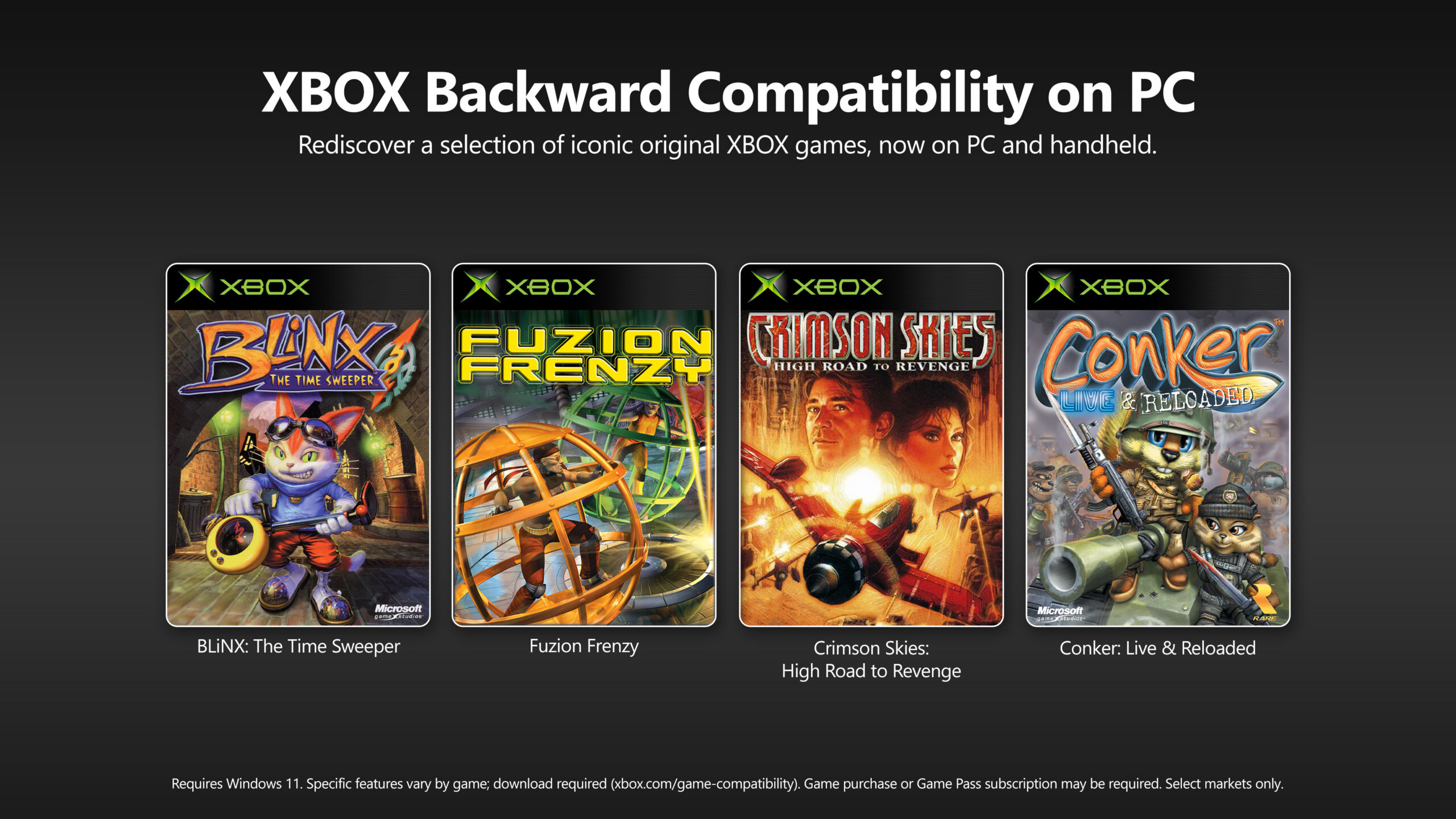
Official Xbox artwork from the July 2026 launch of the PC compatibility programme, © Microsoft.
What about Game Pass and achievements?
Microsoft specifically identifies six games in the current 25-title collection as Game Pass options: Morrowind, Grabbed by the Ghoulies, BLiNX, Conker: Live and Reloaded, Crimson Skies and Fuzion Frenzy. It does not say that the remaining 19 titles are included. An anniversary is a good excuse to revisit old favourites; it is not a blanket free-games promotion. Check each UK Xbox Store listing and your particular subscription tier before downloading.
Achievements are a separate piece of the news. Both KOTOR titles, BLiNX and Conker now have achievement support in their original Xbox versions. Xbox says that support extends to compatible Xbox One and Xbox Series consoles too, following the latest system update, and some existing progress may trigger achievements retrospectively. That is a thoughtful way to give familiar games fresh goals without pretending they are entirely new releases.
How do you play the classics on a modern PC?
The programme is accessed through the Xbox app on Windows 11 in supported markets, including compatible Windows handhelds. You will need an eligible game licence or Game Pass entitlement where available. At the July launch, Xbox confirmed that existing digital console licences for the original four games carried across to PC. That does not establish that every old disc or every digital purchase of the 21 new titles works in exactly the same way. Check the individual store page before buying, and do not assume an original Xbox disc can simply be inserted into your PC to activate a copy.
At the July launch, Xbox detailed PC options including resolution upscaling of up to four times, VSync, anisotropic filtering, anti-aliasing and window/display settings. For November, it says it has improved performance and stability for the original four games and extended mouse and keyboard support across the full catalogue. Do not assume every enhancement works identically in every title.
Microsoft’s July PC compatibility guide lists minimum specifications of Windows 11, a four-core/eight-thread CPU, 8GB of RAM, 4GB of video memory and a GPU in the GTX 950 / Radeon RX 550 / Arc A310 class. Those are Microsoft’s general programme specifications, not independent benchmarks from our Hardware Lab. Always check the current Xbox app and an individual title’s listing for supported features and any additional requirements.
For the authoritative catalogue, use Xbox’s game-compatibility page. Microsoft’s 12 November announcement provides the full 25-game list and achievement details.
The five we’d put at the top of a fresh download queue
These are the five games we’d put in a reader’s discovery queue first, based on their design and historical appeal. They are editorial picks, not new performance reviews: we have not run comparative testing on the 2026 Xbox PC builds.
- Knights of the Old Republic: for dialogue, companions and a Star Wars story built around your decisions.
- Morrowind: for the magnificent freedom to get hopelessly, wonderfully lost.
- TimeSplitters 2: for speed, character and local-multiplayer memories.
- Star Wars: Republic Commando: for a darker, squad-led view of the Clone Wars.
- Crimson Skies: High Road to Revenge: for a world of airborne adventure that still looks wonderfully unlike the usual military flight game.
From £299 in Norwich to £759.99 for an anniversary Xbox
That Norwich launch-day purchase gives me a useful comparison with Xbox’s latest anniversary hardware. In March 2002, I paid £299 for the original Xbox and, as I remember it, £34.99 each for Halo, Dead or Alive 3 and Project Gotham Racing. I’d saved up and paid the Virgin Megastore deposit in advance because I wanted to be there at the start. The bill for my console and three games came to £403.97. For me, that was an entire new gaming world ready to plug into a holiday-house television.
Fast-forward to the 25th anniversary and Microsoft’s Xbox Series X25 Limited Edition is listed at £759.99 in the UK. It is a handsome piece of hardware: translucent OG Green, individually numbered, with a matching special-edition controller and Halo: Campaign Evolved included. I understand the collector appeal, particularly to someone who remembers the first Xbox arriving in a box that looked ready to survive re-entry. But is that nostalgia worth the asking price?
| From my 2002 launch-day purchase to Xbox’s anniversary console | UK price |
|---|---|
| Original Xbox console, the price I remember paying at Virgin Megastore | £299.00 |
| Halo, Dead or Alive 3 and Project Gotham Racing (three at £34.99 each) | £104.97 |
| My complete Norwich launch-day purchase | £403.97 |
| Standard 1 TB Xbox Series X, current UK list price | £669.99 |
| Xbox Series X25 Limited Edition, current UK launch price | £759.99 |
| Anniversary premium over today’s standard Series X | £90.00 |
At a straight cash-register level, the anniversary console costs £356.02 more than my entire original launch-day purchase, including three games. That doesn’t make the two products a like-for-like economic comparison. Nearly a quarter of a century of inflation separates them, and the X25 is a limited edition with extras. But for today’s buyer it still leaves a straightforward question: what exactly am I getting for the extra money?
What did every major console cost at launch? The UK price timeline
It’s easy to compare the original Xbox with a £759.99 anniversary edition and conclude that console gaming has simply become expensive. But how did PlayStation, Sega and Nintendo fit into the picture? We checked the launch pricing of the major UK home and hybrid console releases from the late 1980s to 2026, plus the higher-performance and anniversary editions that make today’s prices particularly interesting. These are original UK launch prices, not today’s resale prices or inflation-adjusted amounts. We’re not pretending this covers every obscure system, handheld, bundle and mid-generation hardware revision ever manufactured.
1987–2002 | The launch-price battleground
| UK launch | Console / original configuration | Price at launch |
|---|---|---|
| 1987 | Sega Master System | £99.00 |
| 1990 | Sega Mega Drive | £189.99 |
| 1992 | Super Nintendo (SNES) | £150.00 |
| 1995 | Sega Saturn | £399.99 |
| 1995 | Sony PlayStation | £299.00 |
| 1997 | Nintendo 64 | £249.99 |
| 1999 | Sega Dreamcast | £199.99 |
| 2000 | PlayStation 2 | £299.99 |
| 2002 | Original Xbox | £299.00* |
| 2002 | Nintendo GameCube | £129.99 |
2005–2013 | HD gaming, motion controls and a Kinect gamble
| UK launch | Console / original configuration | Price at launch |
|---|---|---|
| 2005 | Xbox 360 Core | £209.99 |
| 2005 | Xbox 360 Premium (20GB) | £279.99 |
| 2006 | Nintendo Wii (with Wii Sports) | £179.99 |
| 2007 | PlayStation 3 (60GB) | £425.00 |
| 2012 | Wii U Basic (8GB) | ~£249.99† |
| 2012 | Wii U Premium (32GB) | ~£299.99† |
| 2013 | PlayStation 4 | £349.00 |
| 2013 | Xbox One (with Kinect) | £429.00 |
2016–2026 | Pro models, hybrids and collector premiums
| UK launch | Console / original configuration | Price at launch |
|---|---|---|
| 2016 | PlayStation 4 Pro | £349.00 |
| 2017 | Nintendo Switch | £279.99 |
| 2017 | Xbox One X | £449.00 |
| 2020 | Xbox Series S (512GB) | £249.99 |
| 2020 | Xbox Series X (1TB) | £449.99 |
| 2020 | PlayStation 5 Digital Edition | £359.99 |
| 2020 | PlayStation 5 (disc) | £449.99 |
| 2021 | Nintendo Switch OLED | £309.99 |
| 2024 | PlayStation 5 Pro (digital, 2TB) | £699.99 |
| 2024 | PS5 Pro 30th Anniversary bundle‡ | £959.99 |
| 2025 | Nintendo Switch 2 (console only) | £395.99 |
| 2026 | Xbox Series X25 Limited Edition‡ | £759.99 |
Read these figures carefully: *The original Xbox entry is the £299 launch price reported by contemporary UK coverage and remembered from my Virgin Megastore purchase; some historical lists quote a £299.99 recommended price. †Nintendo did not set one official UK Wii U retail price, so the approximately £249.99/£299.99 figures reflect common launch-period retailer listings. ‡The PS5 Pro 30th Anniversary item is a larger collector bundle, while the Xbox X25 includes its own controller and a game; neither should be compared with a basic console as though the contents were identical. The Nintendo Switch 2 price shown is for the console without the separate game bundle.
Sources: For the earlier UK launches, see the UK console launch chronology, Nintendo Life’s historic UK price table and contemporary reporting on the original Xbox. Microsoft’s Xbox 360, Xbox One X and X25 announcements provide their respective prices. Sony’s documentation covers the PS4, PS4 Pro, PS5 and PS5 Pro. For the Wii U’s retailer-led launch pricing, Switch OLED, and PlayStation’s limited anniversary bundle, we used contemporary UK sources. Original bundles, accessories and release dates differ.
The contrasts are fascinating. In the same generation that brought me the £299 Xbox, Nintendo launched the £129.99 GameCube. In 2013, the £349 PS4 undercut the £429 Xbox One at their respective launches, though Microsoft’s box included Kinect. And Sony’s £425 PS3 had been more expensive at launch than the PS4 that followed six years later. More technology does not always mean a higher sticker price, and a higher sticker price does not always mean a better experience.
At the expensive end, the standard PS5 Pro launched at £699.99 in 2024 without a disc drive included, while Sony’s 30th-anniversary PS5 Pro collector bundle reached £959.99. The Xbox Series X25’s £759.99 is therefore not the highest anniversary-bundle price in this comparison, but it remains a substantial premium for a machine based on a console we already own twice. Sony has since raised its UK PS5 Pro recommended price to £789.99 from April 2026, which is another reason to distinguish launch price from what a console costs today.
None of these numbers is a fair inflation-adjusted ranking. £299 in Norwich in 2002 had very different purchasing power from £299 today. The bundles weren’t identical either: a Wii arrived with Wii Sports, a 2013 Xbox One included Kinect, and the collector editions include extras that many buyers will value differently. But what I’d really like to know is simpler: when did a console last feel worth saving up for, rather than just expensive to collect? I remember exactly why I saved for that first Xbox. For £759.99, the X25 would need to give us more than a new shade of green.
When console prices stop feeling like console prices, who gets left out?
This is the real reason we’ve spent so much time comparing UK launch prices. It’s not an excuse to complain that things were better when everything came with a SCART lead. It’s because flagship consoles are becoming a much bigger financial decision for ordinary families. A standard Xbox Series X launched in Britain in 2020 at around £449.99. Its current UK list price is £669.99, and the special 25th-anniversary X25 pushes the bill to £759.99. The limited edition isn’t the only way to play Xbox, of course, but the trajectory for the flagship hardware is hard to ignore.
Think about Christmas. When I saved for that original Xbox, the excitement was enormous, and the number on the price tag still felt like something I could work towards. How many parents could realistically put a new Series X under the tree this year without it swallowing a substantial part of the family’s Christmas budget? My concern is that fewer children will get that opportunity, and not simply because they don’t want one. We don’t have verified data on how many Series X consoles will be given as gifts this Christmas, so that is our editorial concern, not a claim about measured sales or household behaviour.
And the impact goes beyond one expensive box. Consoles are often how children discover games, share an experience with friends and find a community. If the entry price moves further out of reach, those shared experiences risk becoming less accessible. Some families will choose a Series S, an earlier-generation machine, a Nintendo console, a handheld or the second-hand market, and those are all sensible routes into gaming. But alternatives existing does not make the rising flagship price irrelevant. Gaming should be something a new generation can join, not something they have to admire through a shop window.
That’s why we asked whether £759.99 is better spent on an anniversary console or elsewhere. For a collector, a numbered X25 may genuinely be worth it. For a family trying to stretch the Christmas budget, or someone who wants to play games rather than display the hardware, the question becomes much sharper. There are legitimate costs behind making modern consoles, and historic prices need to be read alongside inflation, changing technology and different bundles. But those explanations don’t make the price any easier to pay on Christmas morning.
For Coloured Static Press, the answer is not enough to justify a purchase. We already have two Xbox Series X consoles, a Series S and an ROG Ally Z1 Extreme in our Microsoft gaming and testing line-up. That’s a useful spread of devices for covering games across console and PC handheld experiences. A third Series X dressed in beautiful green plastic would not magically make our gameplay analysis better. We haven’t tested the X25 itself, so this isn’t a hands-on verdict on its finish or build quality. It’s a buying decision based on the published specification, the price and what our existing equipment can already do.
A £400 Facebook Marketplace PC: what we actually bought instead
There’s a real example in our own Hardware Lab, too. We bought a second-hand gaming PC through Facebook Marketplace for £400, specifically to serve as a second Steam machine alongside our main test rig. It has a GeForce RTX 3060 Ti, a somewhat older but upgradeable processor, and a decent supporting specification. For roughly £100 more, we have the option of upgrading that processor, subject to choosing a compatible part and checking the motherboard BIOS. That’s an anticipated upgrade cost, not an upgrade we’ve already performed.
So our second Steam machine cost £400 as bought, or could come to roughly £500 with a future processor upgrade. We are not claiming a £400 used PC will outperform every Xbox Series X title, or that everyone can find the same bargain. Used hardware carries its own risks, from component history to warranty coverage, and the RTX 3060 Ti has its own limits. But for our actual day-to-day testing, Steam library, recording and editing needs, this was the more useful way to spend our money. It also leaves a potential £259.99 difference against the X25 even if we spend that additional £100 on the processor.
Collectors may rightly see the individually numbered console as something special. For our independent publication, £759.99 could be put towards a lot of actual gaming and coverage. I can appreciate the anniversary design without feeling compelled to own it. The original Xbox gave me Halo, Dead or Alive 3, Project Gotham Racing and that unforgettable boot-up in Norwich. The 2026 limited edition would give us another Series X. The distinction matters.
And here’s one final piece of period context: Microsoft announced a cut from £299 to £199 for the original UK Xbox effective 26 April 2002, only six weeks after launch. Launch-day excitement has always come with a premium. Whether that premium buys you a genuinely new experience or a collectible shell is a much more interesting anniversary question than the colour of the box.
Twenty-five years on, preservation cannot just be a birthday present
Here is where we have a stronger opinion than the birthday headlines might suggest. Twenty-five games are a welcome beginning, but 25 is a tiny window into the original Xbox catalogue. Licensing, compatibility and commercial priorities make game preservation uneven. A famous RPG might get another chance while a smaller, stranger release gradually slips beyond reach. That is not just a retro problem. It is a problem for anyone who believes games are part of our cultural history.
We see the other end of that story every week at Coloured Static Press. We actively seek out independent developers, put their work in front of readers and give smaller projects more than a fleeting social-media mention. Some of today’s most inventive games are being built by tiny teams fighting to be seen. In twenty-five years, we want those games to be discoverable too. Preserving a game is about more than keeping a purchase button alive; it is keeping its ideas, experiments and imperfections accessible.
And yes, we know that hardware has a limited lifespan. We have already written about going through four Xbox Elite Series 2 controllers in two years. Controllers wear down. Consoles become difficult to repair. The games people bought, loved and shared shouldn’t have to disappear along with them. That, to us, is the practical argument for backward compatibility.
Microsoft says more original Xbox titles are planned, as well as further achievement support. That commitment matters more than the pleasing symmetry of 25 games for 25 years. We would like to see a steady, transparent expansion that includes the less obvious titles, not simply the easiest names to market. Anniversaries make lovely headlines. Lasting access is the harder and more useful work.
That is the heart of our verdict on this announcement: a welcome step, not the finish line. Somewhere in the next wave of developers is a future cult classic nobody knows about yet. We’d rather give it a chance to be remembered than find it buried under a deactivated store page in 2051.
There is something personal in that argument. I can still picture that television in the rented house in Norwich, the SCART lead plugged in, and the Xbox announcing itself with a startup sound unlike anything I’d heard from a games console. I remember the sheer heft of the Duke, too, and the later astonishment of talking to a stranger through Xbox Live. Those experiences have stayed with me far more clearly than the advertising around them. These 25 PC releases won’t recreate that first conversation or bring every vanished online community back. No compatibility programme can quite bottle the feeling of discovering the future from your sofa.
But these games can still be played, questioned, enjoyed and passed to someone who wasn’t there the first time around. That matters. And as Microsoft looks ahead to its next generation, I hope it remembers the lesson of that wonderfully unwieldy controller: the best Xbox moments haven’t just shown us better technology. They’ve made us feel that something new is possible.
Twenty-five years later, I’m not asking Xbox to bring back the Duke. My wrists have made their feelings on that perfectly clear. I just want the next Xbox to make the future feel exciting again.
25 years of technological progress are worth celebrating, but progress means less if fewer people can afford to participate.
Keep exploring Xbox at 25 with Coloured Static Press
- Xbox Playback: revisit 25 years of your games and achievements
- Fable: new Deepwood quest gameplay from the anniversary showcase
- Halo: Campaign Evolved and the return of Firefight
- Browse the Coloured Static Press Xbox desk
Editorial note: This is reported analysis using Xbox’s original announcements and official Xbox Store artwork, not a hands-on review of each newly supported PC game. Images include official Xbox Store material and credited archival photography of the original hardware, including public-domain images by Evan-Amos; none is AI-generated. Availability, pricing and features may vary by market and game.